What does Joel 2:25 mean?
“And I will restore to you the years that the locust hath eaten, the cankerworm, and the caterpiller, and the palmerworm, my great army which I sent among you.” — Joel 2:25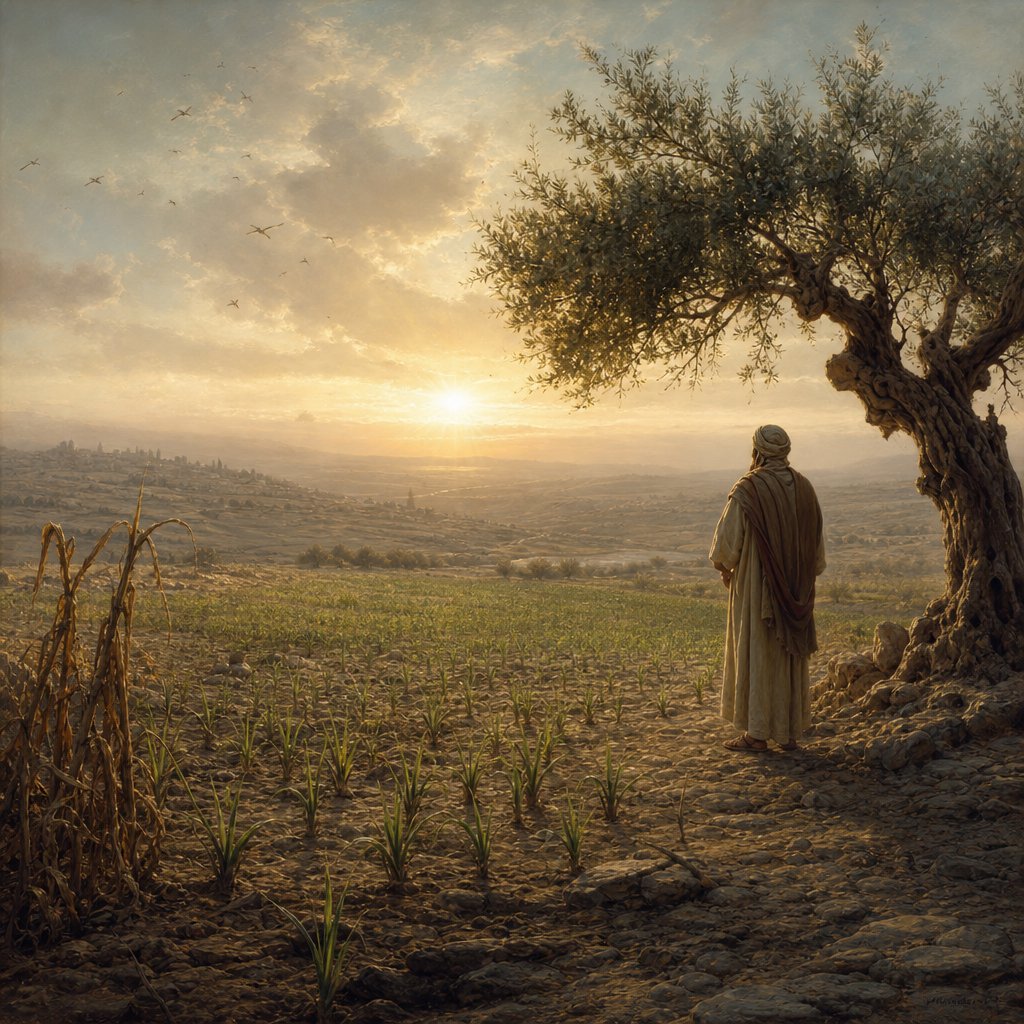
Joel 2:25 in the King James Bible reads, “And I will restore to you the years that the locust hath eaten, the cankerworm, and the caterpiller, and the palmerworm, my great army which I sent among you.” In its plain sense, the verse is God’s promise to reverse the long damage of a devastating judgment that had stripped Judah bare. Yet its force lies not only in the picture of ruined crops, but in the phrase “the years,” because what is being addressed is not merely a single lost harvest but an extended season of loss, anxiety, and weakness. The Lord does not simply pledge to give back a little of what was taken; he declares that he will “restore” what felt like time itself wasted or devoured.
The immediate context of Joel is a land laid low by a consuming plague described in vivid stages—locust, cankerworm, caterpiller, palmerworm—names that together convey wave after wave of destruction until nothing green remains. Earlier in the chapter the calamity functions as a summons to repentance: the people are called to fasting, weeping, and a return to God “with all your heart,” and the priests are told to cry, “Spare thy people.” The turning point is that the Lord answers not only with rebuke but with pity. Joel 2 moves from alarm and lament into mercy and renewal: God is “jealous for his land,” he promises corn, wine, and oil, he removes “the northern army,” and he takes away the people’s shame. Verse 25 stands inside that answer. It is part of the Lord’s covenant-like reassurance that the judgment was not the last word, and that repentance is met by grace that is as public and real as the former ruin.
The symbolism of the devouring insects is rich. On one level they are exactly what they are: instruments of agricultural catastrophe. On another, they are described by God as “my great army which I sent among you,” which frames the plague as disciplined judgment rather than random misfortune. The language of “army” also fits Joel’s broader imagery, because the locust invasion is painted like a marching host, a terror that no human defense can stop. By calling them “my” army, the Lord asserts his sovereignty over what appears uncontrollable. The same God who permits the devourer can also command the restoration. The verse therefore teaches that judgment and mercy are not competing forces but are held under the rule of the Lord, who chastens and then heals.
The promise of restoration is not merely material compensation, though it includes that. In an agrarian society, eaten crops meant more than hunger; they meant the collapse of worship rhythms and communal joy. Grain and wine were tied to offerings, feasts, and thanksgiving. When the land failed, the temple life felt the loss, and the people’s “reproach” among the nations increased, as if their God could not keep them. That is why the surrounding verses speak repeatedly of being “satisfied” and of praising “the name of the LORD your God” and of never being “ashamed.” Joel 2:25 fits that movement: the Lord restores so thoroughly that the community can again live as a people blessed, worshipping, and unashamed. The restoration is therefore spiritual as well as economic, because it repairs the conditions in which joy, gratitude, and public faithfulness can flourish.
The phrase “restore to you the years” also carries a moral and emotional depth. It suggests that God’s mercy reaches beyond the visible to the felt experience of prolonged grief. A plague may last a season, but its consequences can linger through multiple “years” in depleted soil, lost seed, weakened herds, diminished strength, and discouraged hearts. God addresses the accumulated damage of time. The verse does not imply that the past is erased as though it never happened; rather, it promises that God can bring fruitfulness and blessing that genuinely answer what was lost, so that the story is not forever defined by the devouring. In that sense it is a word of hope for those who have endured a long discipline: the Lord is able not only to stop the plague but to redeem the aftermath.
Joel’s “day of the LORD” theme also frames the significance. The book uses the locust disaster as a near and tangible expression of a greater day of divine reckoning, and then looks forward to a time of broader outpouring and deliverance later in the chapter. In that light, Joel 2:25 stands as a pledge that the God who judges is also the God who saves, and that his ultimate intention for his covenant people is not perpetual desolation but renewed life under his favor. The same chapter that promises restoration of years also speaks of God doing “wonders” and of his people knowing that he is “in the midst of Israel.” Restoration, then, is meant to reveal God’s presence and faithfulness, not simply to improve circumstances.
There is also a sobering nuance in “which I sent among you.” It prevents the verse from becoming a generic promise disconnected from repentance and covenant realities. In Joel, restoration follows a call to return to the Lord with sincerity, and God’s renewing acts vindicate his name among a humbled people. The verse therefore emphasizes both accountability and mercy: the devouring was permitted as judgment, but the Lord’s heart is to heal and to give back what obedience and grace can rebuild. The significance of Joel 2:25, taken in its own setting, is that God can transform a history of loss into a future of abundance, and that he claims authority over both the devourer and the restoration, so that his people may again live satisfied, worshipping, and unashamed before him.
Get our apps


Artwork for Joel 2:25

Joel 2:25 - "And I will restore to you the years that the locust hath eaten, the cankerworm, and the caterpiller, and the palmerworm, my great army which I sent among you."
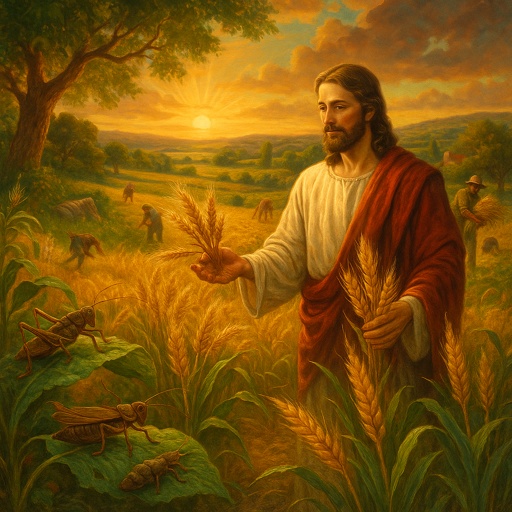
"And I will restore to you the years that the locust hath eaten, the cankerworm, and the caterpiller, and the palmerworm, my great army which I sent among you." - Joel 2:25

Joel 2:25 (KJV) 25 And I will restore to you the years that the locust hath eaten, the cankerworm, and the caterpiller, and the palmerworm, my great army which I sent among you.

Joel 2:25-26 - "And I will restore to you the years that the locust hath eaten, the cankerworm, and the caterpillar, and the palmerworm, my great army which I sent among you. And ye shall eat in plenty, and be satisfied, and praise the name of the LORD your God, that hath dealt wondrously with you: and my people shall never be ashamed."

"And I will restore to you the years that the locust hath eaten, the cankerworm, and the caterpiller, and the palmerworm, my great army which I sent among you." - Joel 2:25
"And I will restore to you the years that the locust hath eaten, the cankerworm, and the caterpiller, and the palmerworm, my great army which I sent among you." - Joel 2:25
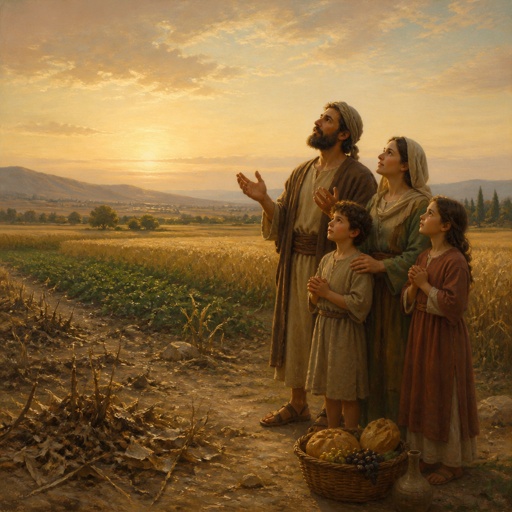
"And I will restore to you the years that the locust hath eaten, the cankerworm, and the caterpillar, and the palmerworm, my great army which I sent among you. And ye shall eat in plenty, and be satisfied, and praise the name of the LORD your God, that hath dealt wondrously with you: and my people shall never be ashamed." - Joel 2:25-26

Joel 2:28

Joel 2:28

Joel 2

Joel 2:28

Joel 2:22

Joel 2:28-29

Joel 2:28-29

Joel 2:28-29

Joel 2:16-20
Acts 2:16 - "But this is that which was spoken by the prophet Joel;"

Joel 2:5 - "Like the noise of chariots on the tops of mountains shall they leap, like the noise of a flame of fire that devoureth the stubble, as a strong people set in battle array."

Joel 2:18 - "¶ Then will the LORD be jealous for his land, and pity his people."

Joel 2:28 – "And afterward, I will pour out my Spirit on all people."

Joel 1:2-4, 13-20

Joel 2:28 – "And afterward, I will pour out my Spirit on all people."

Joel 2:4 - "The appearance of them is as the appearance of horses; and as horsemen, so shall they run."

Joel 2:15 - "¶ Blow the trumpet in Zion, sanctify a fast, call a solemn assembly:"

Joel 2:28 – "And afterward, I will pour out my Spirit on all people."

Joel 2:21 - "¶ Fear not, O land; be glad and rejoice: for the LORD will do great things."

Joel 2:24 - "And the floors shall be full of wheat, and the fats shall overflow with wine and oil."

Joel 2:30 - "And I will shew wonders in the heavens and in the earth, blood, and fire, and pillars of smoke."

"But this is that which was spoken by the prophet Joel;" - Acts 2:16

Joel 2:6 - "Before their face the people shall be much pained: all faces shall gather blackness."