What does Joel 2:8 mean?
“Neither shall one thrust another; they shall walk every one in his path: and when they fall upon the sword, they shall not be wounded.” — Joel 2:8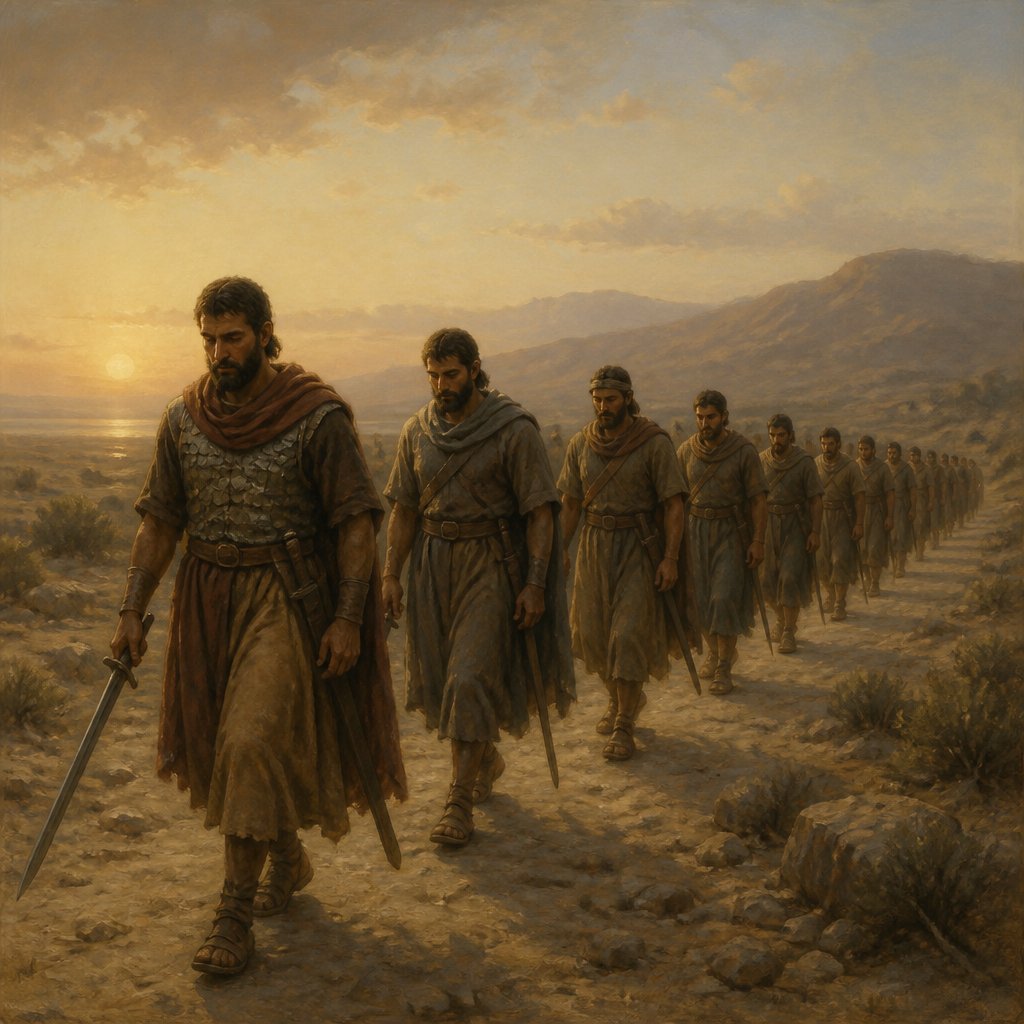
The Bible verse Joel 2:8 from the King James Version (KJV) reads, "Neither shall one thrust another; they shall walk every one in his path: and when they fall upon the sword, they shall not be wounded." This verse is from the Book of Joel in the Old Testament and is part of a larger passage that describes a locust plague and an impending invasion of the nation of Judah.
The Book of Joel is a prophetic book that addresses the nation of Judah, warning them of an impending judgment from God due to their sin and disobedience. The locust plague, which is described earlier in the book, is seen as a sign of this impending judgment. In Joel 2:8, the imagery of people not thrusting one another and not being wounded when falling upon the sword is a symbolic representation of the supernatural protection that God offers to those who turn to him in repentance.
In the context of the entire passage, Joel is encouraging the people of Judah to turn back to God and seek his mercy and forgiveness. He calls for a national day of repentance and fasting, urging the people to gather together and cry out to God for deliverance. The imagery in Joel 2:8 serves to highlight the miraculous protection and preservation that God will provide to those who turn to him in faith.
The themes present in Joel 2:8 are consistent with the broader themes of the Book of Joel, which include the consequences of sin, the judgment of God, and the call to repentance. The verse also conveys the themes of faith, trust, and the supernatural protection and provision of God. The specific imagery of people walking in their own paths without harming one another, and not being wounded by the sword, serves to emphasize the idea that God's protection and provision are available to those who seek him and turn away from sin.
In addition to its thematic significance, Joel 2:8 contains rich symbolism that is deeply rooted in the socio-political and religious context of ancient Judah. The imagery of people walking in their own paths and not thrusting one another speaks to the restoration of peace and harmony that will result from the nation's repentance and turning to God. The imagery of not being wounded by the sword can be seen as a metaphor for the divine protection that God provides to his people, even in the midst of danger and strife.
From a theological perspective, Joel 2:8 also points to the broader biblical understanding of God as a protector and provider for his people. The verse echoes the promise found in Psalm 91, which speaks of God's faithfulness in delivering those who trust in him. By drawing on this imagery, Joel is emphasizing the faithfulness of God to protect and preserve those who turn to him in times of trouble.
In conclusion, Joel 2:8 is a verse that conveys powerful themes of repentance, faith, and the supernatural protection and provision of God. In the context of the larger passage and the Book of Joel as a whole, this verse serves as a poignant reminder of God's mercy and willingness to intervene on behalf of those who seek him. The imagery and symbolism in this verse further emphasize the themes of peace, harmony, and divine protection, underscoring the message of hope and redemption that is at the heart of the Book of Joel.
Get our apps


Artwork for Joel 2:8

Joel 2:8 - "Neither shall one thrust another; they shall walk every one in his path: and when they fall upon the sword, they shall not be wounded."
"Neither shall one thrust another; they shall walk every one in his path: and when they fall upon the sword, they shall not be wounded." - Joel 2:8

1 Samuel 8:2 - "Now the name of his firstborn was Joel; and the name of his second, Abiah: they were judges in Beer-sheba."

Joel 2:28

Joel 2:28

Joel 2

Joel 2:28

1 Chronicles 23:8 - "The sons of Laadan; the chief was Jehiel, and Zetham, and Joel, three."

Joel 1:8 - "¶ Lament like a virgin girded with sackcloth for the husband of her youth."

Joel 2:22

Joel 2:28-29

Joel 2:28-29

Joel 2:16-20

Joel 2:28-29
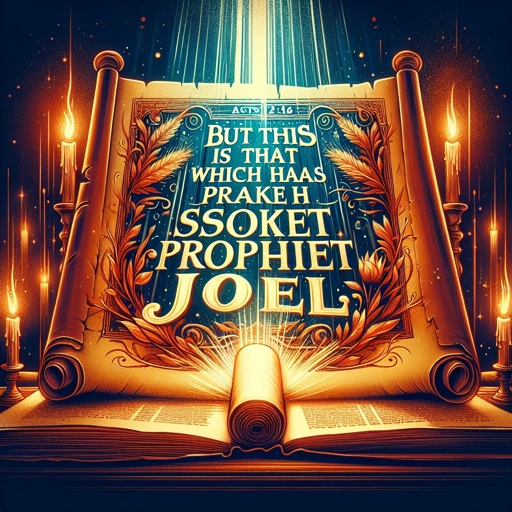
Acts 2:16 - "But this is that which was spoken by the prophet Joel;"

"Now the name of his firstborn was Joel; and the name of his second, Abiah: they were judges in Beer-sheba." - 1 Samuel 8:2

Joel 2:18 - "¶ Then will the LORD be jealous for his land, and pity his people."

Joel 2:28 – "And afterward, I will pour out my Spirit on all people."

Joel 1:2-4, 13-20

Joel 2:28 – "And afterward, I will pour out my Spirit on all people."

Joel 2:4 - "The appearance of them is as the appearance of horses; and as horsemen, so shall they run."

Joel 2:15 - "¶ Blow the trumpet in Zion, sanctify a fast, call a solemn assembly:"

Joel 2:28 – "And afterward, I will pour out my Spirit on all people."

1 Chronicles 5:8 - "And Bela the son of Azaz, the son of Shema, the son of Joel, who dwelt in Aroer, even unto Nebo and Baal-meon:"

Joel 2:24 - "And the floors shall be full of wheat, and the fats shall overflow with wine and oil."

Joel 2:21 - "¶ Fear not, O land; be glad and rejoice: for the LORD will do great things."

Joel 2:30 - "And I will shew wonders in the heavens and in the earth, blood, and fire, and pillars of smoke."

"But this is that which was spoken by the prophet Joel;" - Acts 2:16

"The sons of Laadan; the chief was Jehiel, and Zetham, and Joel, three." - 1 Chronicles 23:8
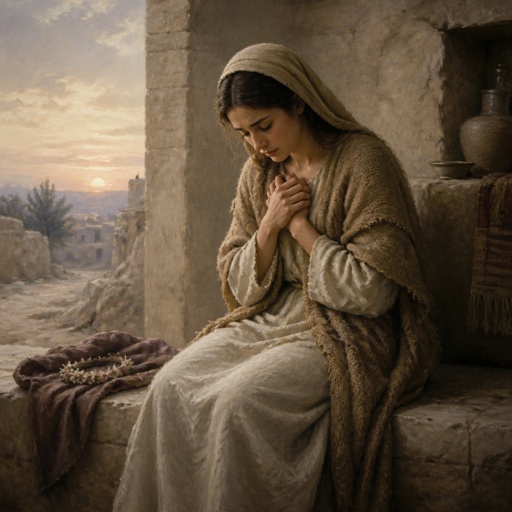
"¶ Lament like a virgin girded with sackcloth for the husband of her youth." - Joel 1:8