What does John 10:18 mean?
“No man taketh it from me, but I lay it down of myself. I have power to lay it down, and I have power to take it again. This commandment have I received of my Father.” — John 10:18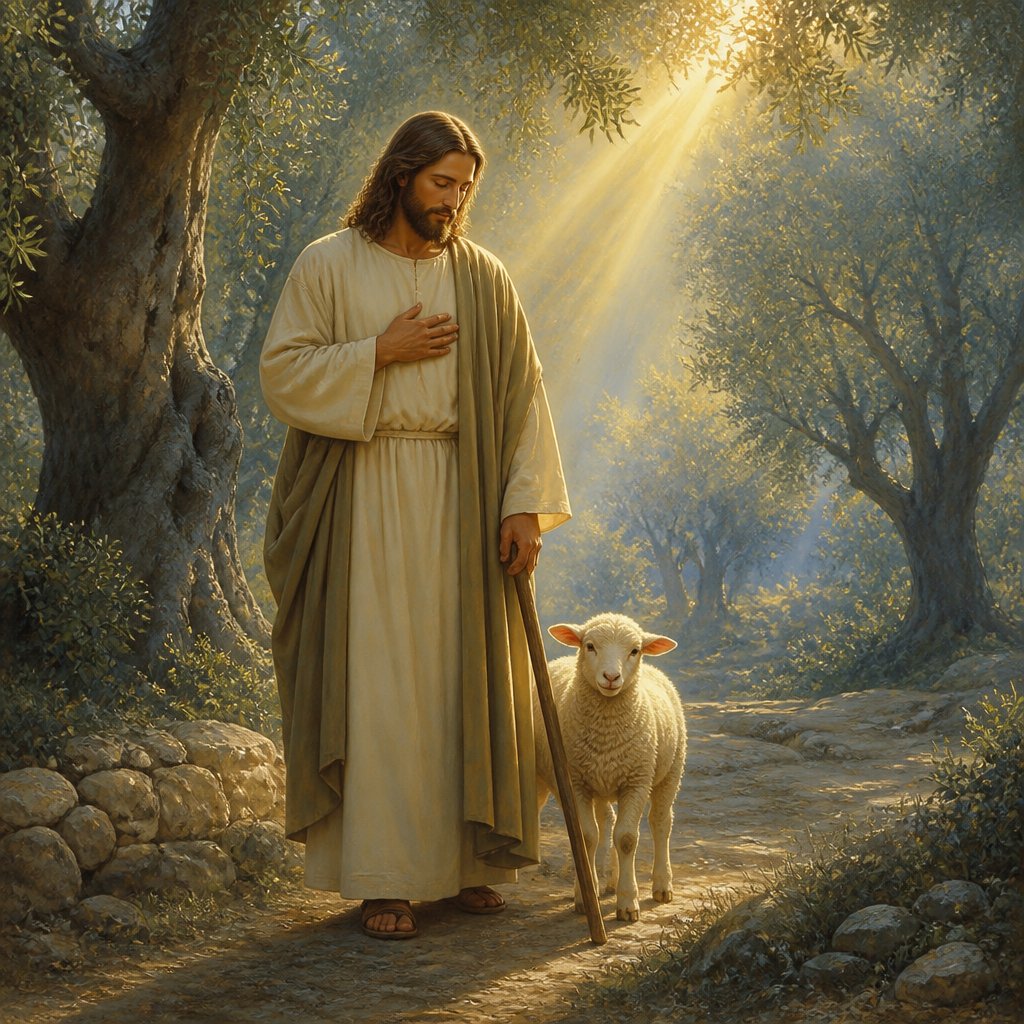
The verse John 10:18 from the King James Version of the Bible reads, "No man taketh it from me, but I lay it down of myself. I have power to lay it down, and I have power to take it again. This commandment have I received of my Father."
This verse is a part of a larger conversation that Jesus is having with the Pharisees in John 10. In this chapter, Jesus uses the metaphor of a shepherd and his sheep to illustrate the relationship between himself and his followers. He describes himself as the good shepherd who lays down his life for the sheep, and contrasts his care for the sheep with the hireling who abandons the sheep at the first sign of danger.
In verse 18, Jesus is asserting his authority and control over his own life and death. He states that no one can take his life from him; rather, he has the power and authority to lay down his life willingly. This declaration of power over life and death is a clear expression of Jesus' divinity. It is a claim that sets him apart as more than a mere human being, but as the Son of God with authority over life and death.
This verse also points to the sacrificial nature of Jesus' death. He willingly lays down his life for the sake of his followers, demonstrating his love and dedication to them. This sacrificial act is a central theme in Christianity, as it is through Jesus' death and resurrection that believers are offered forgiveness of sins and the hope of eternal life.
The context of this verse is also significant. Jesus is addressing the Pharisees, a group of religious leaders who often were at odds with him. By asserting his authority over his own life and death, Jesus is challenging their understanding of who he is and the nature of his ministry. He is effectively claiming to be the ultimate authority, accountable only to his Father in heaven.
Symbolically, this verse carries a deep meaning for Christians. It represents the selfless nature of Jesus' sacrifice and his ultimate victory over death. It points to the redemptive power of his death on the cross and the hope that it offers to all who believe in him.
This verse also ties in with the broader themes of the gospel of John, such as the divine identity of Jesus, the concept of salvation through belief in him, and the intimate relationship between Jesus and his Father. It is a powerful affirmation of Jesus' deity and his purpose in coming to earth.
In conclusion, John 10:18 is a pivotal verse in the gospel of John, encapsulating the themes of Jesus' divinity, sacrificial death, and ultimate victory over death. It represents a profound declaration of Christ's authority and his redemptive purpose, and holds deep significance for Christians in understanding the nature of Jesus' mission and the hope that it offers.
Get our apps


Artwork for John 10:18
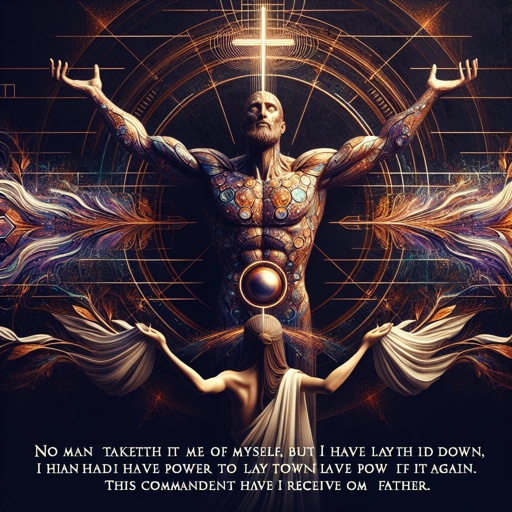
John 10:18 - "No man taketh it from me, but I lay it down of myself. I have power to lay it down, and I have power to take it again. This commandment have I received of my Father."
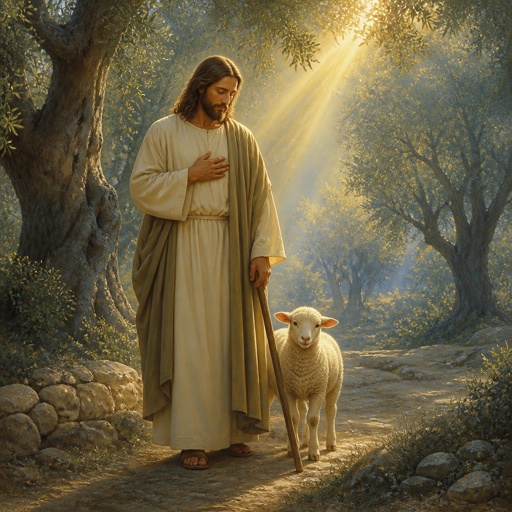
"No man taketh it from me, but I lay it down of myself. I have power to lay it down, and I have power to take it again. This commandment have I received of my Father." - John 10:18
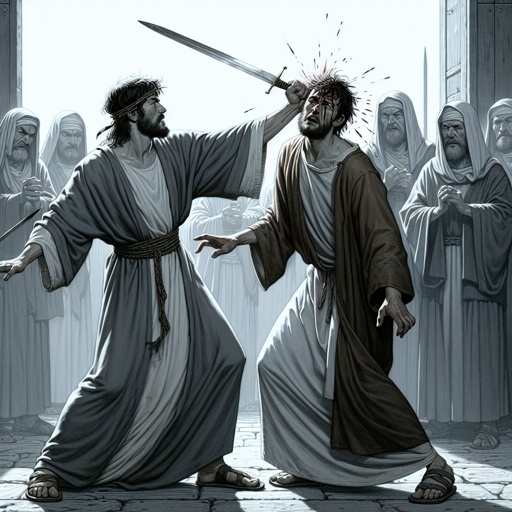
John 18:10 - "Then Simon Peter having a sword drew it, and smote the high priest's servant, and cut off his right ear. The servant's name was Malchus."

John 10:10

John 10:10

John 10:10

John 10:10

John 10:10

John 10:10

John 10:10

John 7:17-18

John 7:17-18

John 7:17-18

John 7:17-18

John 18:25

john 18:36

1 John 5:18

1 John 4:18

1 John 4:18

John 10:41 - "And many resorted unto him, and said, John did no miracle: but all things that John spake of this man were true."

John 10:30
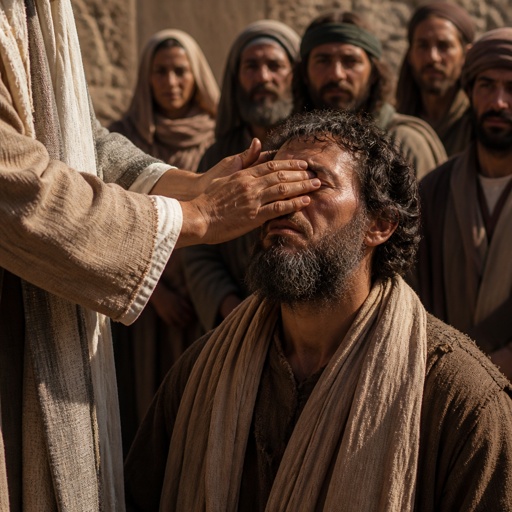
John 9:10

John 10:30

John 10:9

John 10:9

John 10:9

John 18:27 - "Peter then denied again: and immediately the cock crew."

John 6:18 - "And the sea arose by reason of a great wind that blew."

Luke 10:18-19

Luke 10:18-19