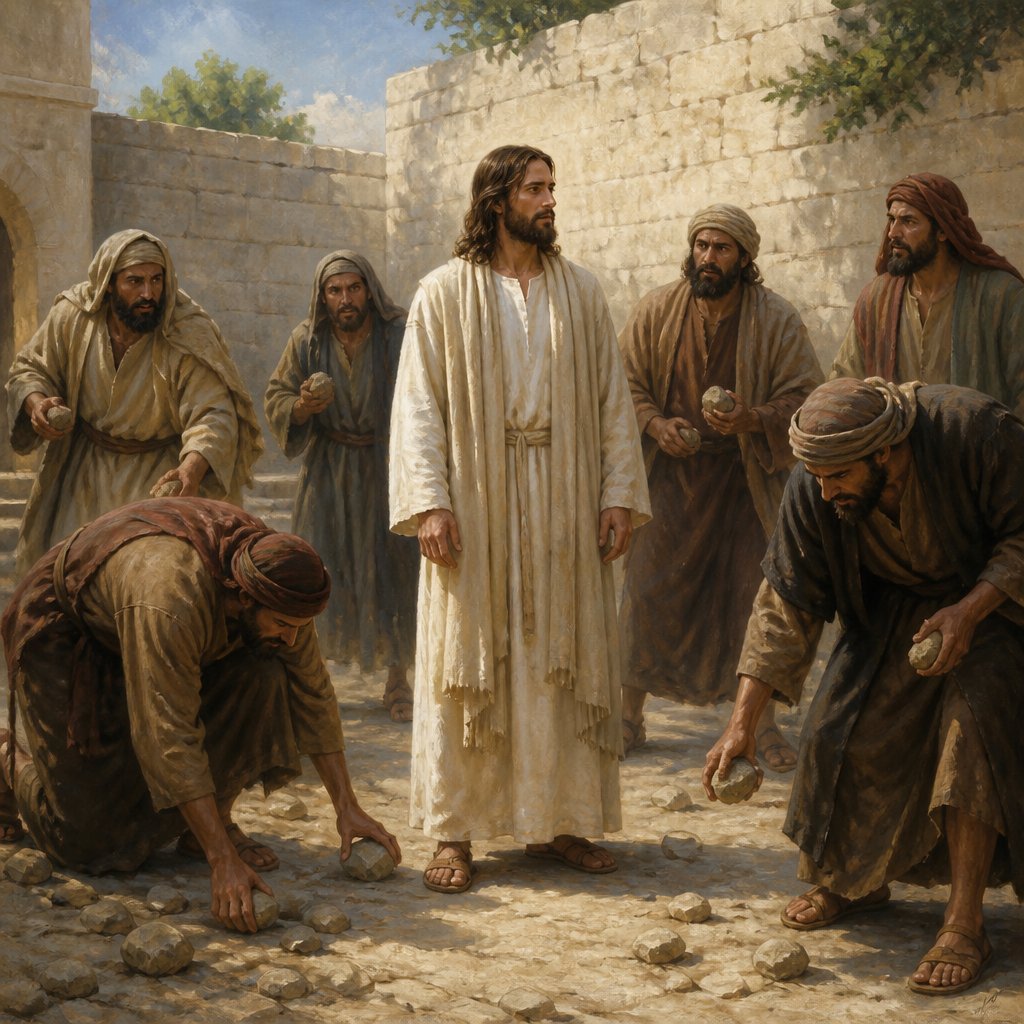
The verse John 10:31 from the King James Version (KJV) of the Bible reads: "Then the Jews took up stones again to stone him."
This verse is part of a larger passage in the Gospel of John that recounts a tense exchange between Jesus and the Jewish leaders. In this chapter, Jesus is speaking to the people, explaining his role as the Good Shepherd who lays down his life for his sheep. He describes the intimate relationship he has with his followers and emphasizes that no one can snatch them out of his hand. This teaching angers the Jews, who are offended by Jesus' claim to be equal with God.
The immediate context of this verse is crucial for understanding its meaning. Earlier in the chapter, Jesus had declared, "I and my Father are one" (John 10:30, KJV). This statement was a direct assertion of his divinity, and it was met with outrage by the Jewish leaders. The verse in question, John 10:31, describes the reaction of the Jews to Jesus' words. They pick up stones, intending to execute him for what they perceived as blasphemy.
One of the key themes in this passage is the conflict between Jesus and the religious leaders of his time. The Jewish leaders were deeply threatened by Jesus' teachings and claims, which challenged their authority and understanding of God. Their response to Jesus' statement reflects the hostility and resistance he faced from those who refused to accept his message.
The symbolism of the stones in this verse is significant. In the Old Testament, stoning was the prescribed method of execution for various offenses, including blasphemy. By picking up stones, the Jews were not only expressing their anger but also their intention to put Jesus to death for what they considered to be a serious transgression.
Furthermore, the act of stoning Jesus represents the culmination of the growing opposition to his ministry. Throughout the Gospel of John, the conflict between Jesus and the religious establishment intensifies, leading ultimately to his crucifixion. This verse foreshadows the violent rejection and ultimate sacrifice of Jesus, which is central to the Christian faith.
In addition to the immediate context, the verse John 10:31 can also be understood within the larger theological framework of the Gospel of John. This passage is part of a series of "I am" statements made by Jesus, in which he reveals different aspects of his identity and mission. In John 10, he presents himself as the Good Shepherd who offers abundant life and protection for his followers.
The verse also highlights the profound misunderstanding and rejection of Jesus by those who should have recognized him as the Messiah. The Jews, who prided themselves on their knowledge of God and his ways, failed to comprehend the true nature of Jesus' mission and message. This theme of spiritual blindness and unbelief is a recurring motif in the Gospel of John, emphasizing the need for divine illumination to recognize and accept the truth.
In conclusion, the verse John 10:31 from the King James Version of the Bible captures a pivotal moment in the conflict between Jesus and the religious leaders of his time. It reflects the intense opposition Jesus faced and foreshadows his ultimate sacrifice. The hostility of the Jews, their intention to stone Jesus, and the symbolism of the stones all contribute to the profound significance of this verse within the larger narrative of the Gospel of John. It serves as a reminder of the rejection and persecution Jesus endured for proclaiming the truth and fulfilling his mission as the Good Shepherd and the Son of God.
Get our apps


Artwork for John 10:31

John 10:31 - "Then the Jews took up stones again to stone him."
"Then the Jews took up stones again to stone him." - John 10:31

John 20:30-31

John 13:31-35

John 10:10

John 10:10

John 10:10

John 10:10

John 10:10

John 10:10

John 10:10

Mark 10:31

John 5:31 - "If I bear witness of myself, my witness is not true."

John 16:31 - "Jesus answered them, Do ye now believe?"

John 4:31 - "¶ In the mean while his disciples prayed him, saying, Master, eat."

John 12:31 - "Now is the judgment of this world: now shall the prince of this world be cast out."

Hebrews 10:31 - "It is a fearful thing to fall into the hands of the living God."

Mark 10:31 - "But many that are first shall be last; and the last first."

Isaiah 10:31 - "Madmenah is removed; the inhabitants of Gebim gather themselves to flee."

Ezra 10:31 - "And of the sons of Harim; Eliezer, Ishijah, Malchiah, Shemaiah, Shimeon,"

John 10:41 - "And many resorted unto him, and said, John did no miracle: but all things that John spake of this man were true."

John 10:30

John 6:31 - "Our fathers did eat manna in the desert; as it is written, He gave them bread from heaven to eat."

John 13:31 - "¶ Therefore, when he was gone out, Jesus said, Now is the Son of man glorified, and God is glorified in him."

John 1:31 - "And I knew him not: but that he should be made manifest to Israel, therefore am I come baptizing with water."
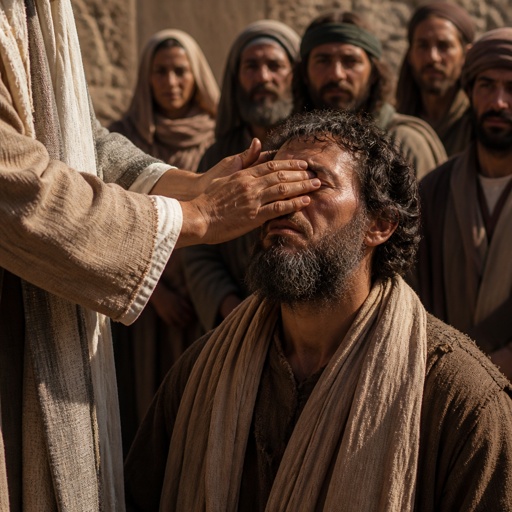
John 9:10

John 10:30

John 10:9

John 10:9

John 10:9