What does John 10:33 mean?
“The Jews answered him, saying, For a good work we stone thee not; but for blasphemy; and because that thou, being a man, makest thyself God.” — John 10:33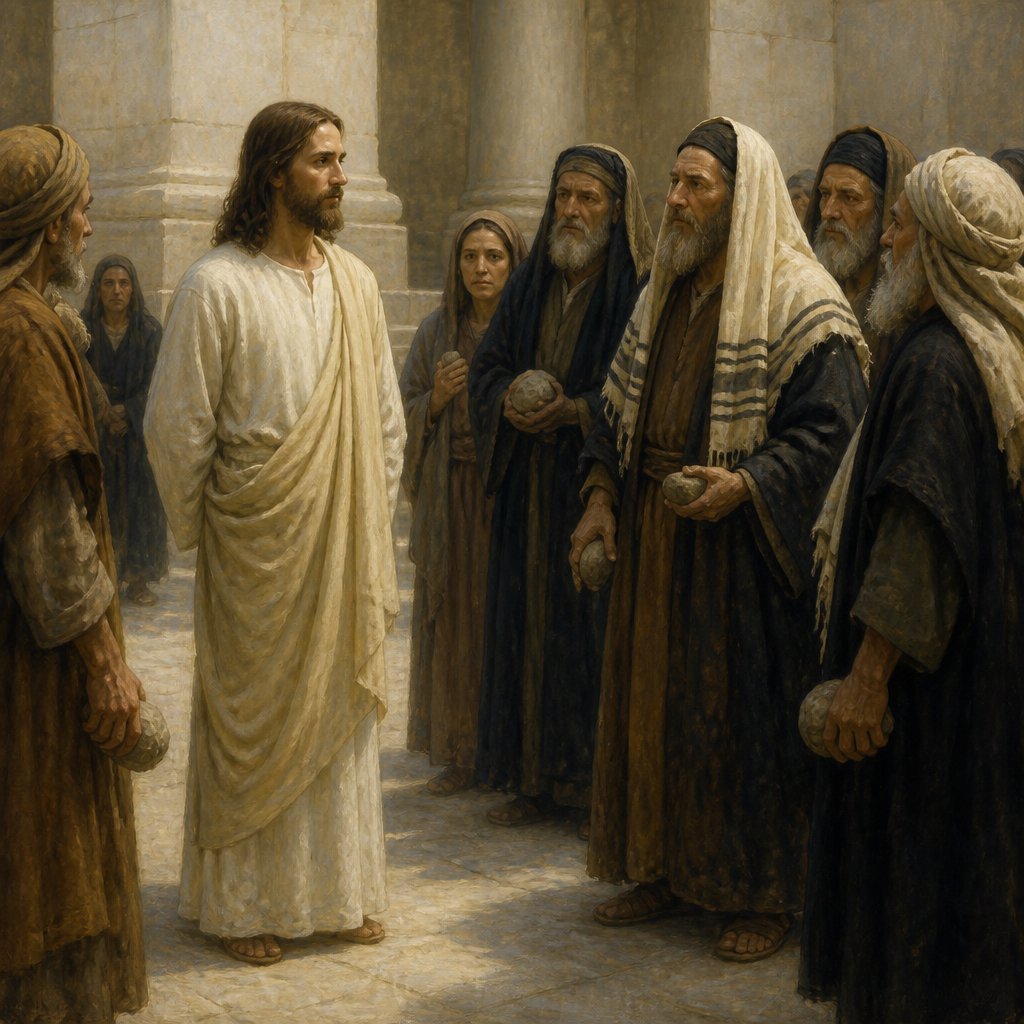
John 10:33 in the King James Version of the Bible reads: "The Jews answered him, saying, For a good work we stone thee not; but for blasphemy; and because that thou, being a man, makest thyself God."
The context of this verse is important in understanding its meaning. In the preceding verses, Jesus is engaged in a discourse with the Jewish leaders, explaining the nature of his relationship with God the Father and his identity as the Messiah. In verse 30, Jesus declares, "I and my Father are one," indicating his unity with God. This statement incites a strong reaction from the Jews, leading them to accuse Jesus of blasphemy and ultimately seek to stone him.
One of the key themes of this verse is the divinity of Jesus. The Jewish leaders accuse Jesus of making himself out to be God by claiming to be one with the Father. This assertion is seen as blasphemous and warrants a severe punishment in Jewish law. This theme speaks to the profound and radical claim that Jesus makes about his own identity. Throughout the gospel of John, Jesus repeatedly asserts his unique relationship with God the Father, and the reaction of the Jewish leaders to such claims is a central conflict in the narrative.
Another important theme in this verse is the rejection of Jesus by the religious authorities. The Jewish leaders' accusation of blasphemy and their intent to stone Jesus reflects their refusal to accept his teachings and claims. This rejection sets the stage for the larger narrative of Jesus' eventual crucifixion, which highlights the profound tension between Jesus and the religious establishment of his time.
The symbolism in this verse is also significant. The act of stoning was a punishment prescribed by Jewish law for various offenses, including blasphemy. By accusing Jesus of blasphemy and seeking to stone him, the Jewish leaders demonstrate their rejection of his claims and their refusal to acknowledge his divine authority. This symbolic act foreshadows the ultimate rejection and crucifixion of Jesus, underscoring the broader theme of conflict and opposition to his message and identity.
In Christian theology, this verse holds significant implications for understanding the nature of Jesus' divine identity. The concept of Jesus being one with the Father and the accusations of blasphemy bring to the forefront the complex and profound mystery of the Incarnation – the belief that Jesus, as the Son of God, took on human form while retaining his divine nature. This verse is often cited in discussions of the divinity of Jesus and the orthodox Christian understanding of the Trinity.
Ultimately, John 10:33 conveys a pivotal moment in the gospel narrative, highlighting the intense opposition that Jesus faced from the religious authorities and the radical nature of his claims about his own identity. This verse serves to deepen the theological understanding of Jesus' divinity and his relationship with God the Father, while also underscoring the themes of rejection and conflict that permeate the gospel of John.
Get our apps


Artwork for John 10:33

John 10:33 - "The Jews answered him, saying, For a good work we stone thee not; but for blasphemy; and because that thou, being a man, makest thyself God."
"The Jews answered him, saying, For a good work we stone thee not; but for blasphemy; and because that thou, being a man, makest thyself God." - John 10:33

John 16:33

John 16:33

John 16:33

John 16:33
John 16:33

John 16:33

John 16 : 33

John 1:33

John 5:33 - "Ye sent unto John, and he bare witness unto the truth."

John 9:33 - "If this man were not of God, he could do nothing."

John 12:33 - "This he said, signifying what death he should die."

John 10:10

John 10:10

John 10:10

John 10:10

John 10:10

John 10:10

John 10:10
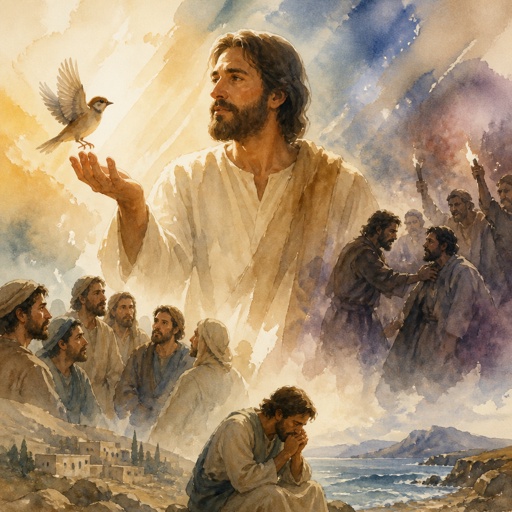
Matthew 10:26-33

John 19:33 - "But when they came to Jesus, and saw that he was dead already, they brake not his legs:"

"Ye sent unto John, and he bare witness unto the truth." - John 5:33

John 3:33 - "He that hath received his testimony hath set to his seal that God is true."

Mark 14:33 - "And he taketh with him Peter and James and John, and began to be sore amazed, and to be very heavy;"

John 4:33 - "Therefore said the disciples one to another, Hath any man brought him ought to eat?"

John 6:33 - "For the bread of God is he which cometh down from heaven, and giveth life unto the world."

Numbers 33:10 - "And they removed from Elim, and encamped by the Red sea."

John 18:33 - "Then Pilate entered into the judgment hall again, and called Jesus, and said unto him, Art thou the King of the Jews?"

Luke 7:33 - "For John the Baptist came neither eating bread nor drinking wine; and ye say, He hath a devil."