What does John 11:13 mean?
“Howbeit Jesus spake of his death: but they thought that he had spoken of taking of rest in sleep.” — John 11:13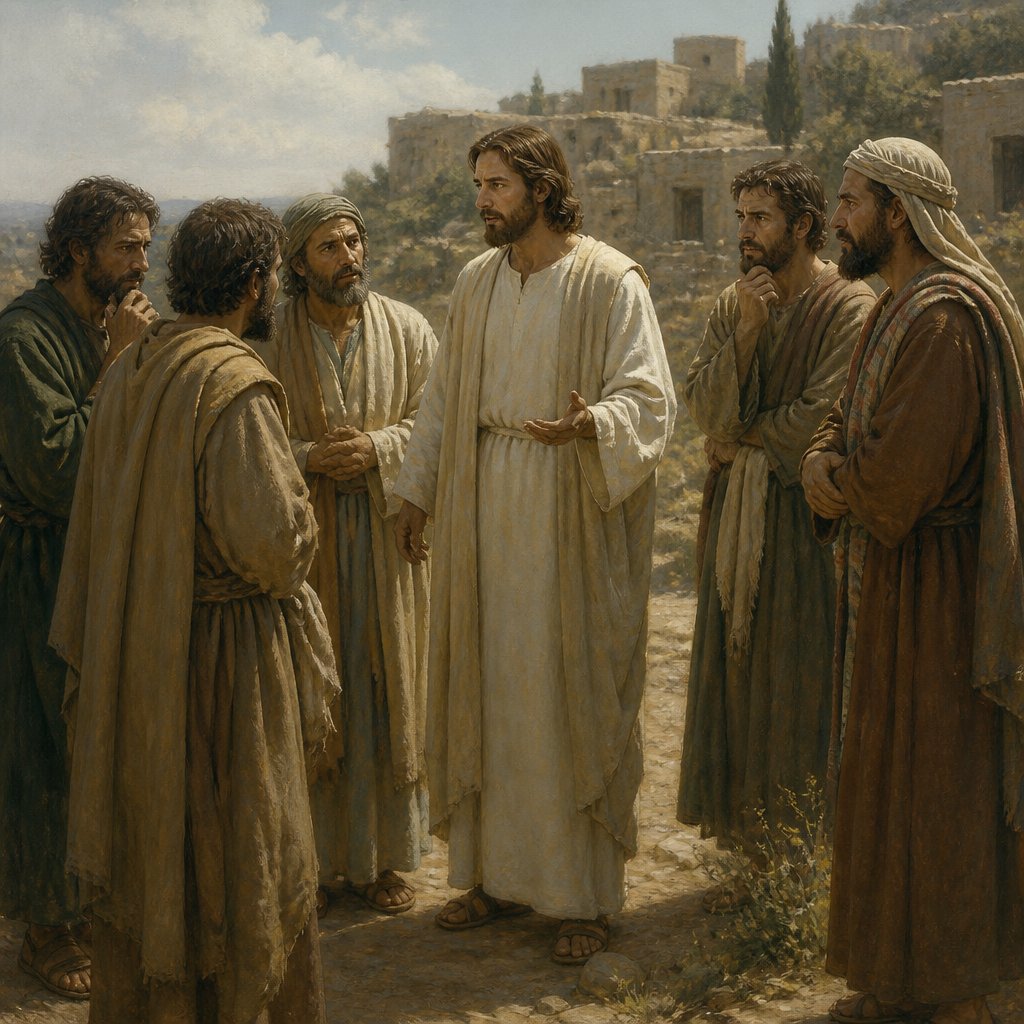
John 11:13 (KJV) states, "Howbeit Jesus spake of his death: but they thought that he had spoken of taking of rest in sleep."
In this verse, Jesus is speaking to his disciples about the death of Lazarus, but they misunderstand his words and assume he is referring to Lazarus simply resting or sleeping. This verse is part of the larger passage in John 11:1-44, which tells the story of Jesus raising Lazarus from the dead. This passage is rich with themes of faith, power, and the revelation of Jesus as the Son of God.
The context of this verse is important in understanding its significance. Jesus received news that his friend Lazarus was gravely ill, but instead of rushing to his side, Jesus waited two days before setting out for Bethany. By the time Jesus arrived, Lazarus had already been dead for four days. This delay is significant because it shows Jesus' intention to perform a miracle that would serve as a powerful demonstration of his divine power and bring glory to God.
When Jesus speaks of Lazarus's death, he is foreshadowing his own impending death and resurrection. His disciples, however, misunderstand his words and think he is speaking metaphorically about sleep. This misunderstanding is symbolic of the disciples' lack of understanding of Jesus' true identity and mission. Throughout the Gospels, the disciples often struggle to comprehend the depth of Jesus' teachings and the true nature of his divinity.
The themes present in this verse are numerous and profound. One theme is the concept of death and resurrection. Jesus' ability to raise Lazarus from the dead serves as a preview of his own resurrection, which would follow shortly after. This miracle emphasizes Jesus' power over death and his ability to bring life to the dead. It also serves as a prelude to the ultimate victory over death that Jesus achieves through his sacrificial death on the cross.
Another theme in this verse is the idea of misunderstanding and misinterpretation. The disciples' failure to grasp the true meaning of Jesus' words reflects the broader misunderstanding of his identity and mission by many people at that time. This theme of misunderstanding is a recurring motif in the Gospels and serves to highlight the spiritual blindness of those who are unable to recognize Jesus as the Son of God.
The symbolism in this verse is also significant. The metaphor of sleep as a euphemism for death is a common motif in the Bible. In this context, it serves as a metaphor for the temporary nature of physical death in the face of the eternal life that Jesus offers through faith in him. Additionally, the raising of Lazarus from the dead serves as a powerful symbol of the spiritual rebirth that is made possible through Jesus' resurrection.
In summary, John 11:13 (KJV) is a verse that holds deep theological significance within the larger context of Jesus' ministry. It foreshadows the death and resurrection of Jesus and highlights the themes of faith, misunderstanding, and the power of God over death. The verse serves as a reminder of the profound implications of Jesus' sacrificial death and the promise of eternal life for those who believe in him.
Get our apps


Artwork for John 11:13

John 11:13 - "Howbeit Jesus spake of his death: but they thought that he had spoken of taking of rest in sleep."
"Howbeit Jesus spake of his death: but they thought that he had spoken of taking of rest in sleep." - John 11:13

JOHN 6:11-13

John 20:11-13

Matthew 11:13 - "For all the prophets and the law prophesied until John."

John 13:11 - "For he knew who should betray him; therefore said he, Ye are not all clean."
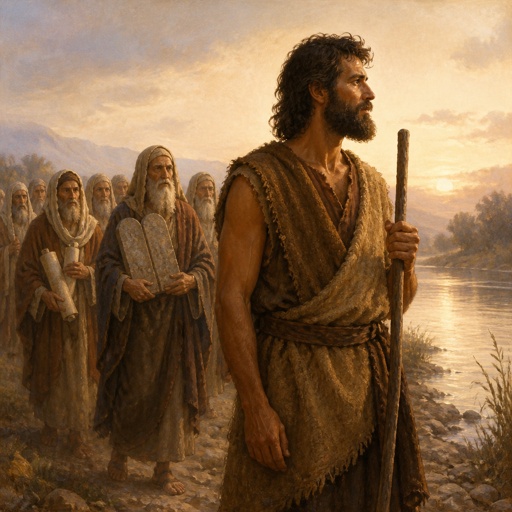
"For all the prophets and the law prophesied until John." - Matthew 11:13
Psalm 1:1-3
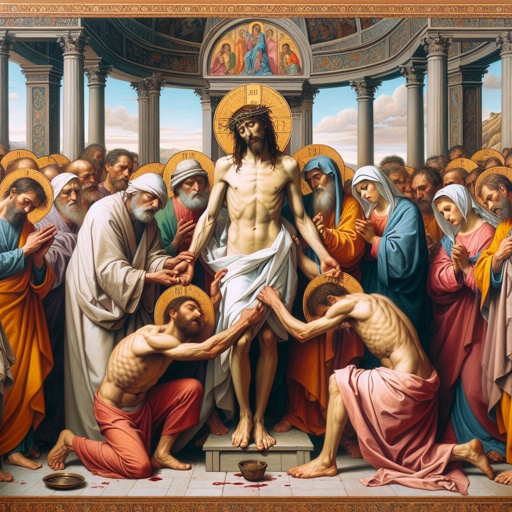
Pain 1:1-3
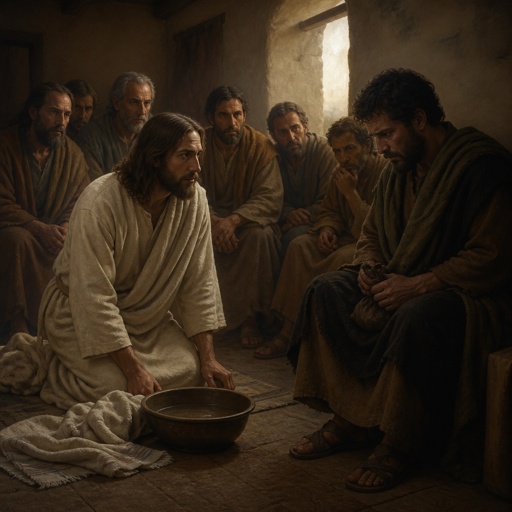
"For he knew who should betray him; therefore said he, Ye are not all clean." - John 13:11

John 13

John (11:35) Jesus wept.
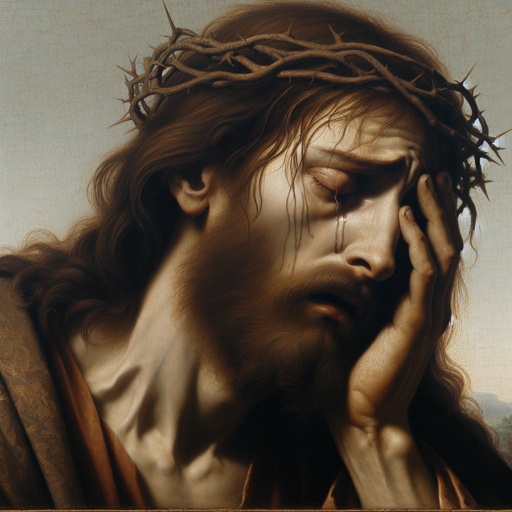
John (11:35) Jesus wept.

John (11:35) Jesus wept.

John 11:35

John 15.1-11

John 11:35

John (11:35) Jesus wept.

John (11:35) Jesus wept.

John (11:35) Jesus wept.

John 13:13 - "Ye call me Master and Lord: and ye say well; for so I am."
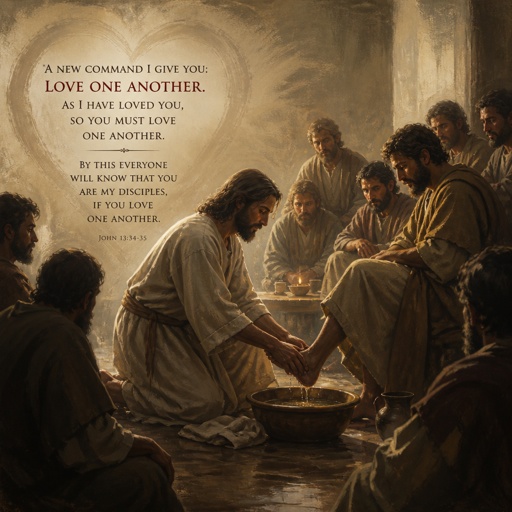
John 13: 34-35

John 13:4-9

John (11:35) Jesus wept.
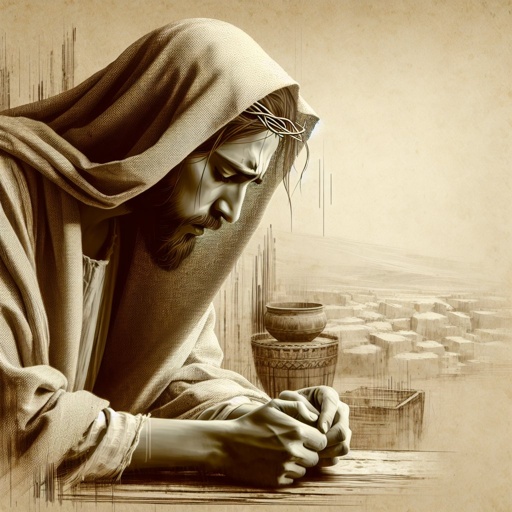
John 11:35 - "Jesus wept."

John (11:35) Jesus wept.

John (11:35) Jesus wept.

John (11:35) Jesus wept.

John (11:35) Jesus wept.

John (11:35) Jesus wept.