What does John 11:22 mean?
“But I know, that even now, whatsoever thou wilt ask of God, God will give it thee.” — John 11:22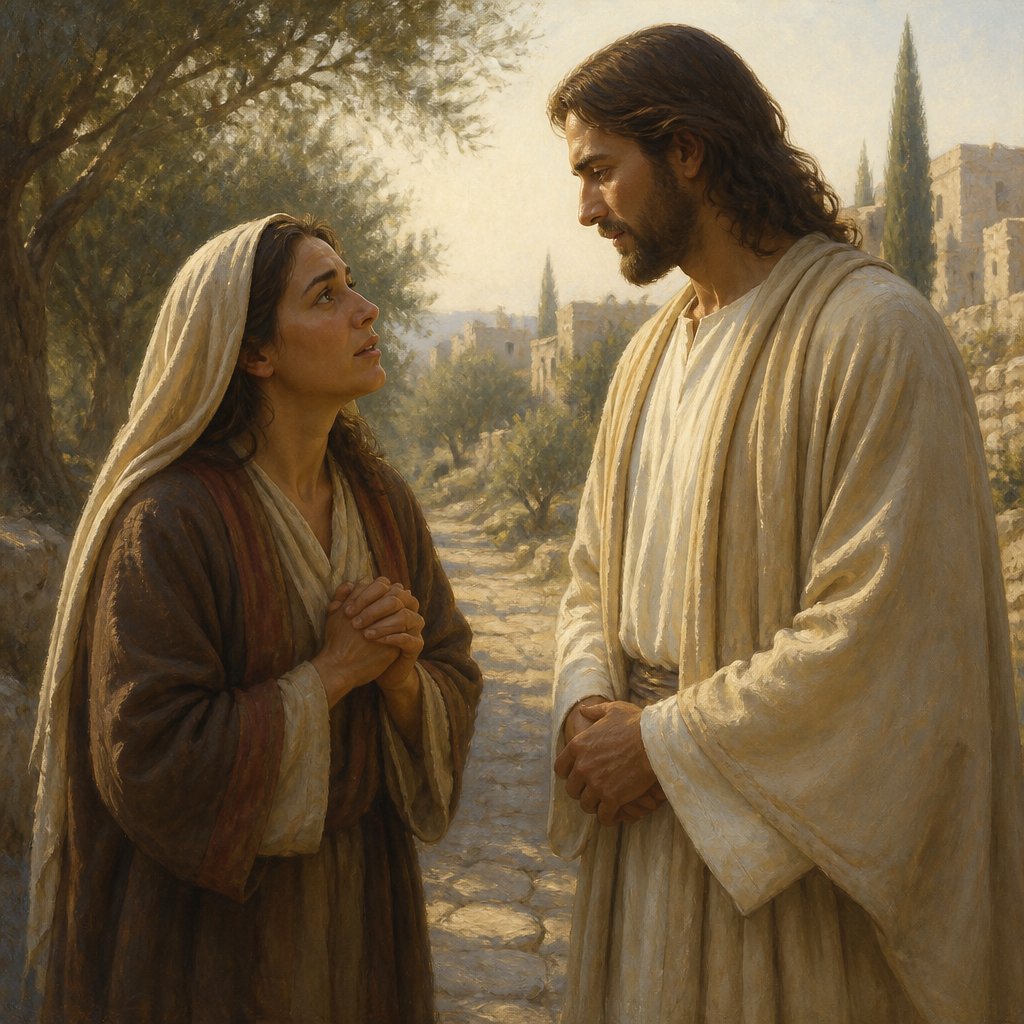
John 11:22 (KJV) - "But I know, that even now, whatsoever thou wilt ask of God, God will give it thee."
This verse is a part of the story of Lazarus, a close friend of Jesus who had fallen ill and eventually died. In this verse, Martha, Lazarus' sister, expresses her faith in Jesus and his ability to perform miracles, even in the face of death.
The theme of faith is central to this verse, and indeed to the entire story of Lazarus. Martha's words are an affirmation of her belief in Jesus' power and authority. She shows confidence that even in the darkest hour, Jesus has the ability to bring about life and restoration. This theme of faith is a recurring one in the Bible, as it is often emphasized that those who believe in God will be rewarded and their prayers will be answered.
The context of this verse is important in understanding its significance. Jesus had arrived in Bethany, where Lazarus lived, four days after he had died. Martha went out to meet Jesus and expressed her grief over her brother's death. Despite her deep sorrow, Martha also showed her unwavering faith in Jesus, as we see in this verse. She acknowledges the power of Jesus and his close relationship with God, believing that if he asks God, he will be granted the ability to bring Lazarus back to life.
The symbolism in this verse lies in the idea of resurrection and the power of God. Martha's declaration reflects the belief in the ultimate power of God to overcome death and bring about new life. This theme echoes throughout the New Testament, as Jesus' own resurrection becomes the ultimate symbol of hope and triumph over death. The raising of Lazarus from the dead also foreshadows the resurrection of Jesus himself, as it serves as a demonstration of his power and authority as the Son of God.
This verse also highlights the intimacy of Jesus' relationship with God. Martha's belief in Jesus' ability to perform miracles stems from her understanding of his close connection with God. She trusts that God will grant Jesus whatever he asks for, reinforcing the idea of Jesus' divine authority and his ability to act as an intermediary between humanity and God. This theme of Jesus as the mediator between God and humanity is a central tenet of Christian belief and is exemplified in this verse.
Moreover, this verse speaks to the notion of God's timing and divine will. Martha's faith is not only in Jesus' ability to perform miracles, but also in God's plan and sovereignty. She acknowledges that even in the face of death, she trusts that God will respond to Jesus' request. This reflects a larger theme of trusting in God's timing and purpose, even when it may seem incomprehensible or painful to us as humans.
In conclusion, John 11:22 is a powerful expression of faith, hope, and belief in the power of God and the authority of Jesus. It encapsulates the themes of resurrection, divine authority, and the intimate relationship between Jesus and God. It serves as a reminder of the unwavering faith and trust that believers are called to have in God's ability to bring about miraculous and transformative power in our lives.
Get our apps


Artwork for John 11:22

John 11:22 - "But I know, that even now, whatsoever thou wilt ask of God, God will give it thee."
"But I know, that even now, whatsoever thou wilt ask of God, God will give it thee." - John 11:22

James 2:2-4

John 10:22 - "¶ And it was at Jerusalem the feast of the dedication, and it was winter."

John (11:35) Jesus wept.
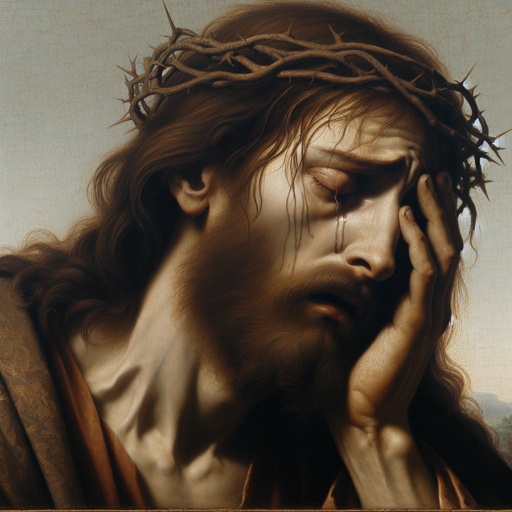
John (11:35) Jesus wept.

John (11:35) Jesus wept.

John 11:35

John 15.1-11

John 11:35

John (11:35) Jesus wept.

John (11:35) Jesus wept.

John (11:35) Jesus wept.

John (11:35) Jesus wept.
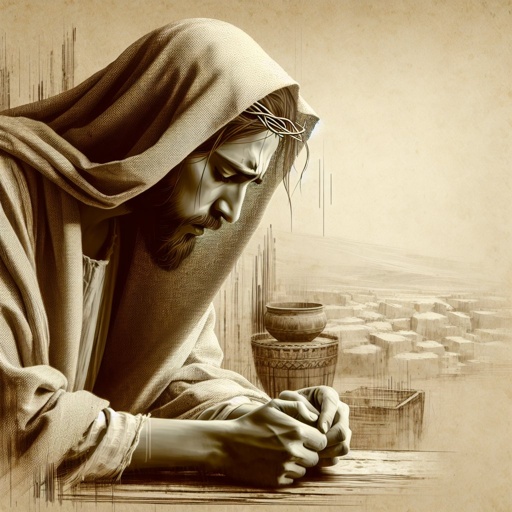
John 11:35 - "Jesus wept."

John (11:35) Jesus wept.

John (11:35) Jesus wept.

John (11:35) Jesus wept.

John (11:35) Jesus wept.

John (11:35) Jesus wept.

John (11:35) Jesus wept.
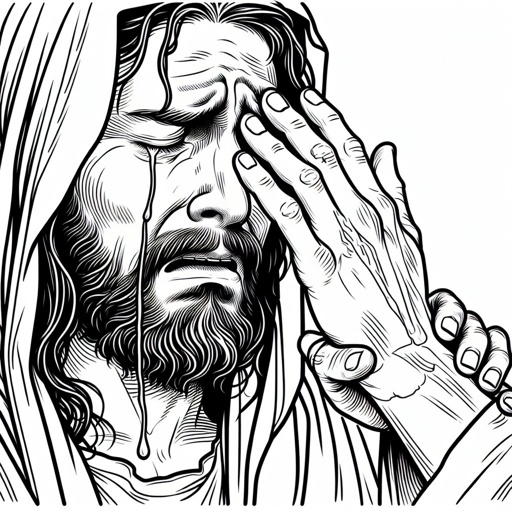
John (11:35) Jesus wept.

Genesis 22:11
Leviticus 11:22

John 20:11-12

JOHN 6:11-13

John 20:11-13

John 8:4-11

John 13:22 - "Then the disciples looked one on another, doubting of whom he spake."

John 5:22 - "For the Father judgeth no man, but hath committed all judgment unto the Son:"