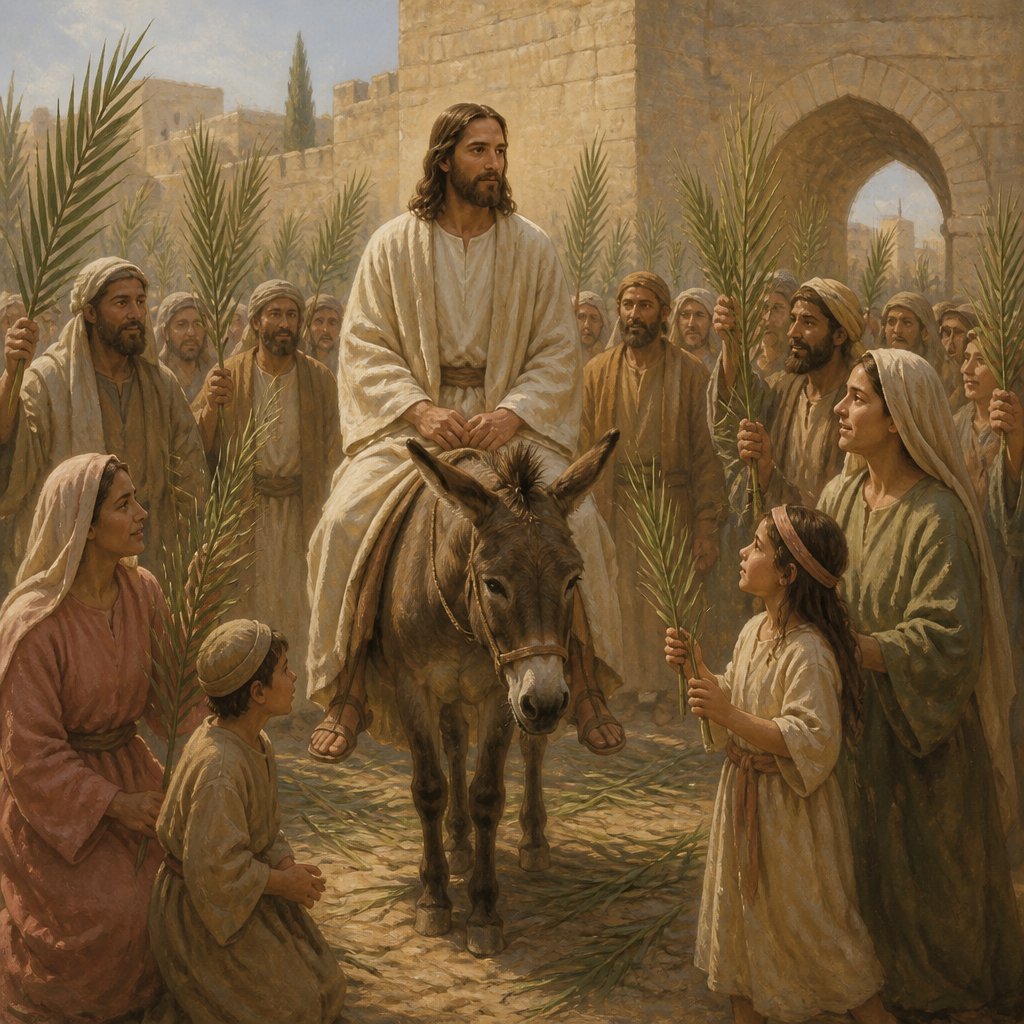
John 12:12-15 from the King James Version of the Bible reads: "On the next day much people that were come to the feast, when they heard that Jesus was coming to Jerusalem, Took branches of palm trees, and went forth to meet him, and cried, Hosanna: Blessed is the King of Israel that cometh in the name of the Lord. And Jesus, when he had found a young ass, sat thereon; as it is written, Fear not, daughter of Sion: behold, thy King cometh, sitting on an ass's colt."
This passage recounts the triumphal entry of Jesus into Jerusalem, an event that is celebrated on Palm Sunday in the Christian calendar. It signifies the beginning of the final week of Jesus' earthly ministry, leading up to his crucifixion and resurrection. The symbolism and significance of this event are profound, and it is rich with historical, theological, and prophetic implications.
The context of this passage is important in understanding its significance. During the time of the Jewish Passover feast, people from all over would come to Jerusalem to celebrate. The city was filled with excitement and anticipation as they awaited the arrival of Jesus, who had gained fame for his miracles and teachings. The people, having heard of Jesus' imminent arrival, gathered palm branches and went out to meet him. This was a customary act of honor and welcome in ancient times, particularly for a king or a victorious military leader. By doing so, the people were symbolically acknowledging Jesus as a conquering king, with the palm branches representing victory, triumph, and peace.
As Jesus entered Jerusalem, the people shouted "Hosanna! Blessed is the King of Israel that cometh in the name of the Lord." "Hosanna" is an expression of adoration and praise, often used in Jewish worship. The people were not only recognizing Jesus as a king, but also as the fulfillment of Old Testament prophecies, particularly the Messianic prophecies found in the book of Zechariah (Zechariah 9:9). This prophecy foretold the coming of a king who would bring salvation and peace to Israel, entering Jerusalem riding on a donkey—a symbol of humility and peace, in contrast to a horse, which was seen as a symbol of war and conquest.
The use of the donkey in this passage is significant as it fulfills the prophecy from Zechariah. It is a powerful symbol of the humility and gentleness of Jesus as the promised Messiah. He did not come as a conquering political or military leader, but as the Prince of Peace, to bring spiritual salvation and reconciliation between God and humanity. The choice of the colt also symbolizes the innocence and purity of Jesus, reinforcing his role as the sacrificial Lamb of God who would take away the sins of the world.
The imagery and symbolism in this passage reflect key themes of Jesus' messianic identity, his divine mission, and the fulfillment of Old Testament prophecies. It speaks to Jesus as the long-awaited King who came to establish a spiritual kingdom, one not of this world, but of the kingdom of God. It also emphasizes Jesus' humility and servanthood, as well as his message of peace and reconciliation.
Furthermore, the triumphal entry into Jerusalem foreshadows the ultimate triumph of Jesus over sin, death, and the powers of darkness through his sacrificial death on the cross. It is a prelude to the events of Holy Week, which culminate in Jesus' crucifixion and resurrection. By entering Jerusalem in this manner, Jesus was deliberately fulfilling prophecies and signaling the beginning of the fulfillment of God's redemptive plan for humanity.
In conclusion, the triumphal entry of Jesus into Jerusalem as recounted in John 12:12-15 is a pivotal event in the life and ministry of Jesus. It serves as a powerful symbol of his identity as the promised Messiah, fulfilling Old Testament prophecies, and foreshadowing the redemptive work he would accomplish through his death and resurrection. The imagery and symbolism in this passage are rich with theological significance, pointing to Jesus as the humble King who brings salvation, peace, and reconciliation. It invites us to reflect on the nature of Jesus' kingship and the profound implications of his redemptive work for all humanity.
Get our apps


Artwork for John 12:12-15

John 12:12-15 - "On the next day much people that were come to the feast, when they heard that Jesus was coming to Jerusalem, took branches of palm trees, and went forth to meet him, and cried, Hosanna: Blessed is the King of Israel that cometh in the name of the Lord. And Jesus, when he had found a young ass, sat thereon; as it is written, Fear not, daughter of Sion: behold, thy King cometh, sitting on an ass's colt."

"On the next day much people that were come to the feast, when they heard that Jesus was coming to Jerusalem, took branches of palm trees, and went forth to meet him, and cried, Hosanna: Blessed is the King of Israel that cometh in the name of the Lord. And Jesus, when he had found a young ass, sat thereon; as it is written, Fear not, daughter of Sion: behold, thy King cometh, sitting on an ass's colt." - John 12:12-15

John 15:12 love one another

John 12:15 - "Fear not, daughter of Sion: behold, thy King cometh, sitting on an ass's colt."

John 15:12 - "This is my commandment, That ye love one another, as I have loved you."

John 15:12 This is My commandment, that you love one another as I have loved you.

John 15:12 This is My commandment, that you love one another as I have loved you.

John 15:12-13 - "My command is this: Love each other as I have loved you. Greater love has no one than this: to lay down one’s life for one’s friends."
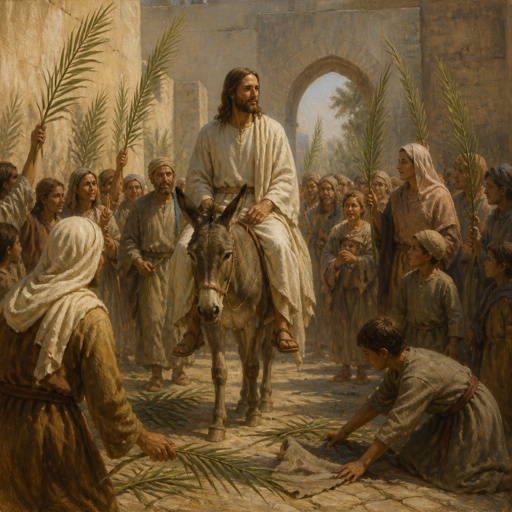
"Fear not, daughter of Sion: behold, thy King cometh, sitting on an ass's colt." - John 12:15
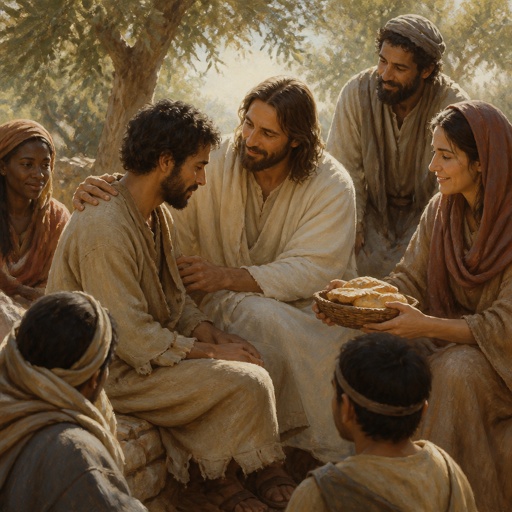
"This is my commandment, That ye love one another, as I have loved you." - John 15:12

John 12:12 - "¶ On the next day much people that were come to the feast, when they heard that Jesus was coming to Jerusalem,"
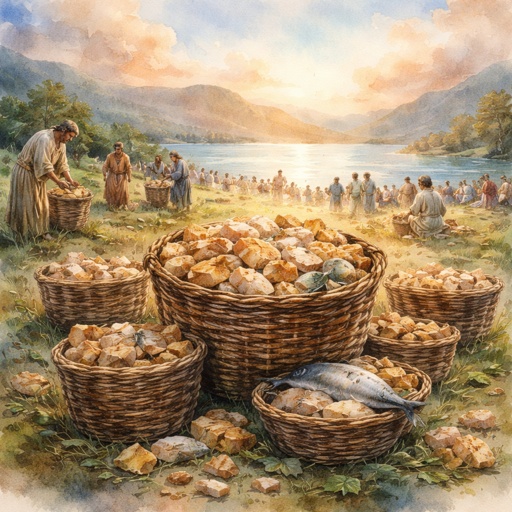
John 6:12

John 8:12

John 12:25
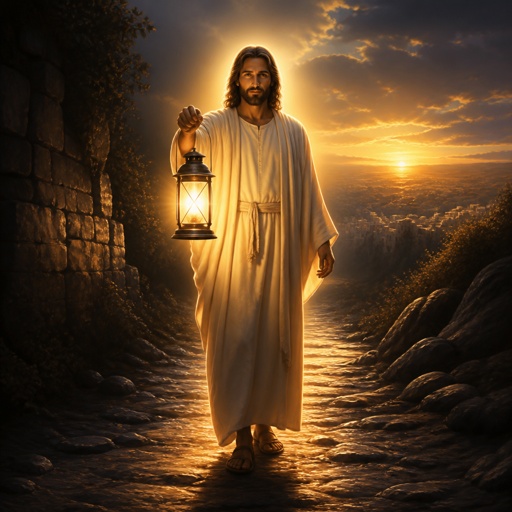
John 8:12

John 8:12

John 8:12
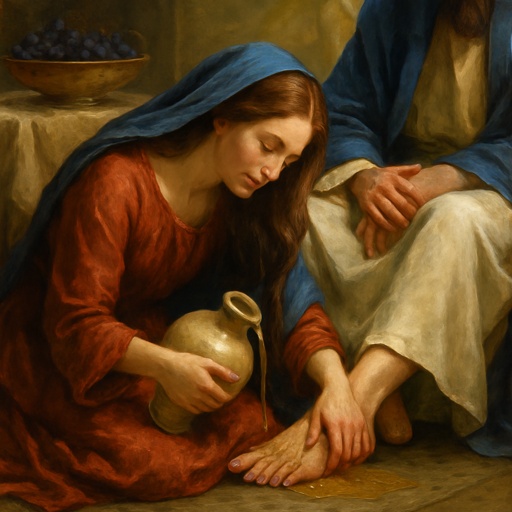
John 12:3

John 8:12

John 20:11-12

Numbers 12 15

Genesis 15:12

Mark 15:12

Colossians 3:12-15

Acts 12:12 - "And when he had considered the thing, he came to the house of Mary the mother of John, whose surname was Mark; where many were gathered together praying."

Acts 12:2 - "And he killed James the brother of John with the sword."

John 12:39 - "Therefore they could not believe, because that Esaias said again,"

John 12:43 - "For they loved the praise of men more than the praise of God."

Nehemiah 12:15 - "Of Harim, Adna; of Meraioth, Helkai;"

John 12:45 - "And he that seeth me seeth him that sent me."