What does John 12:14 mean?
“And Jesus, when he had found a young ass, sat thereon; as it is written,” — John 12:14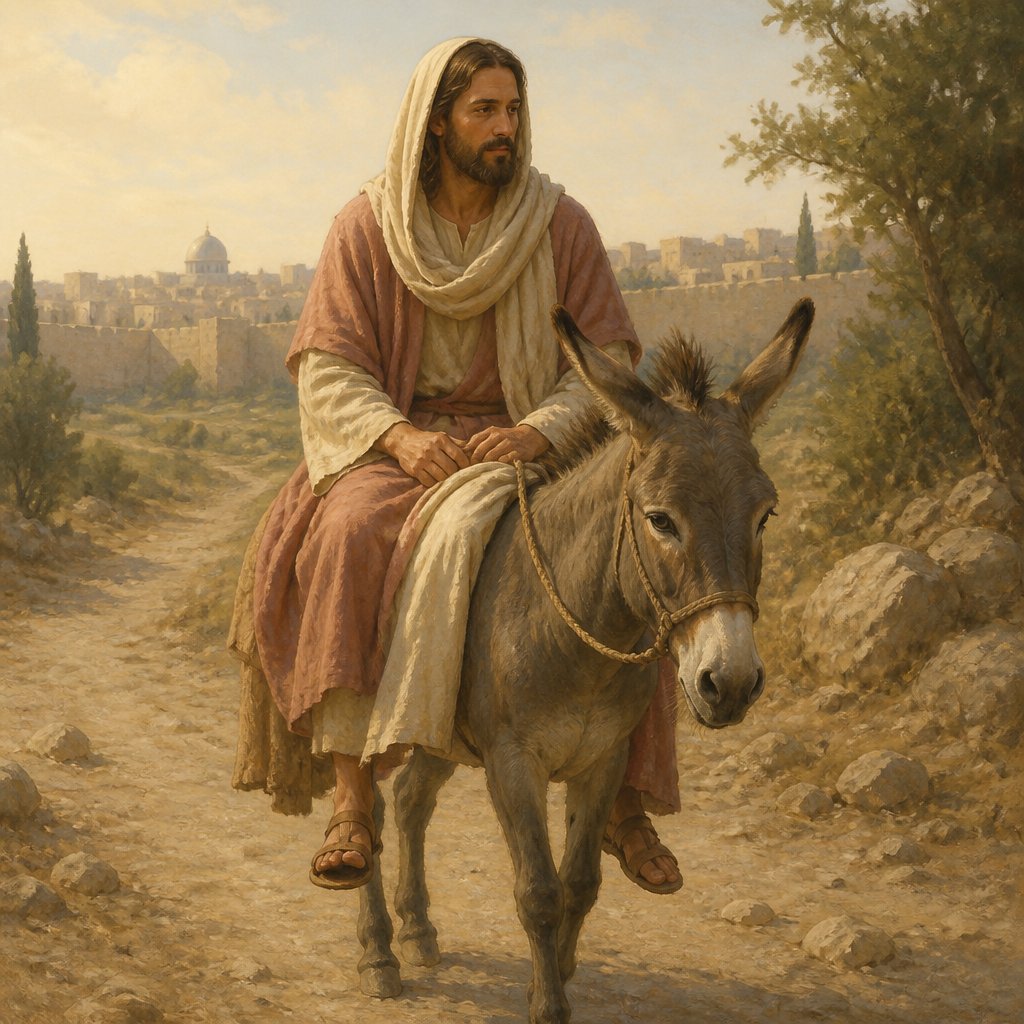
The King James Version of John 12:14 states, "And Jesus, when he had found a young ass, sat thereon; as it is written."
This verse comes from the New Testament, specifically the Gospel of John. It is part of the narrative describing Jesus' triumphal entry into Jerusalem, which is commonly known as Palm Sunday. This event is significant in the Christian faith as it marks the beginning of Jesus' final week on earth before his crucifixion and resurrection.
In this verse, Jesus finds a young donkey and chooses to ride on it as he enters Jerusalem. It is important to note that this action mirrors a prophecy found in the Old Testament in the book of Zechariah. Zechariah 9:9 states, "Rejoice greatly, O daughter of Zion; shout, O daughter of Jerusalem: behold, thy King cometh unto thee: he is just, and having salvation; lowly, and riding upon an ass, and upon a colt the foal of an ass." By fulfilling this prophecy, Jesus is asserting his role as the promised Messiah and king.
The donkey itself holds symbolic significance in this verse. In ancient times, a king would ride a horse into battle, symbolizing power and conquest. However, Jesus, in choosing to ride a donkey, is demonstrating humility and peace. This act reveals his true nature as a servant king who came to bring salvation and reconcile humanity to God. It also fulfills the prophecy of Zechariah, emphasizing the fulfillment of Old Testament promises in the person of Jesus Christ.
The theme of humility and servanthood is central to this verse. Throughout his ministry, Jesus consistently demonstrated humility, teaching his followers to serve one another and to consider others as more important than themselves. By riding a donkey into Jerusalem, he exemplifies this principle, contrasting the world's understanding of kingship and power with the kingdom he came to establish.
Furthermore, the context of this verse is significant. Jesus' entry into Jerusalem occurred during the time of the Passover feast, a highly significant event in the Jewish calendar. The city was filled with pilgrims from different regions who had come to celebrate the feast. By entering Jerusalem in this manner, Jesus is making a profound statement about his identity and mission. The crowds that gathered to welcome him recognized his significance and shouted, "Hosanna! Blessed is the King of Israel that cometh in the name of the Lord." They spread palm branches on the road before him, symbolizing victory and honor.
In a broader sense, this verse points to the fulfillment of God's promises and the coming of the long-awaited Messiah. It reaffirms the continuity between the Old Testament prophecies and their fulfillment in Jesus Christ. It also reveals Jesus' willingness to embrace his role as the sacrificial lamb who would ultimately give his life for the salvation of humanity.
In conclusion, John 12:14 holds deep theological and symbolic significance within the Christian faith. It highlights Jesus' humility, his fulfillment of Old Testament prophecies, and his mission to bring salvation to the world. This verse serves as a powerful reminder of the nature of Jesus' kingship and the profound impact of his entry into Jerusalem, setting the stage for the events that would unfold during the rest of Holy Week. It is a verse that continues to resonate with believers, pointing us to the hope and salvation found in Jesus Christ.
Get our apps


Artwork for John 12:14

John 12:14 - "And Jesus, when he had found a young ass, sat thereon; as it is written,"
"And Jesus, when he had found a young ass, sat thereon; as it is written," - John 12:14
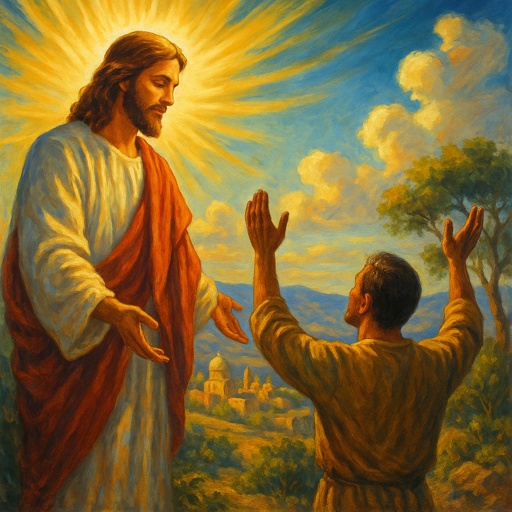
"Verily, verily, I say unto you, He that believeth on me, the works that I do shall he do also; and greater works than these shall he do; because I go unto my Father." - John 14:12

John 14:12 - "Verily, verily, I say unto you, He that believeth on me, the works that I do shall he do also; and greater works than these shall he do; because I go unto my Father."

John 14

John 14:30

John 3:14

John 14:16

John 14:6

John 14:28

John 20:14

John 14:14 - "If ye shall ask any thing in my name, I will do it."
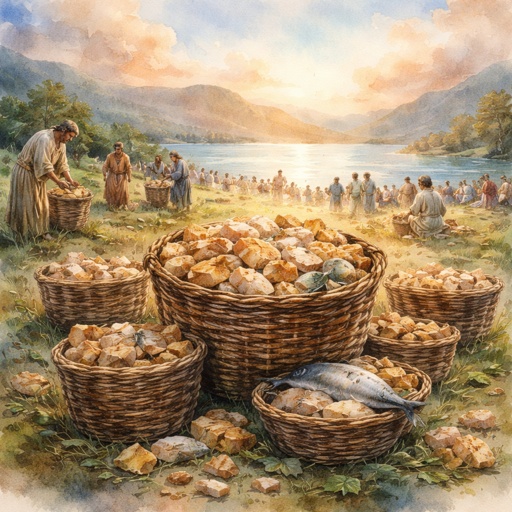
John 6:12

John 8:12

John 18:12-14 - "So the band of soldiers, the tribune, and the Jewish police arrested Jesus and bound him. They brought him to Annas first, for he was the father-in-law of Caiaphas, who was high priest that year. Caiaphas was the one who had advised the Jews that it was better to have one person die for the people."

John 12:25
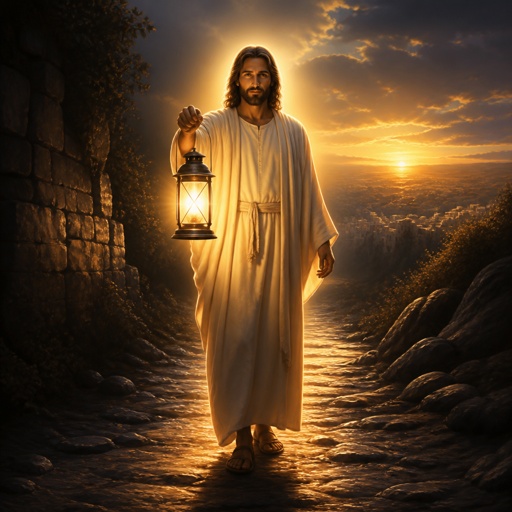
John 8:12

John 8:12

John 8:12
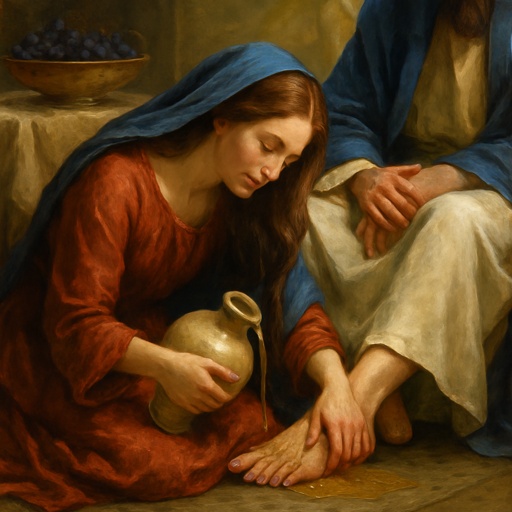
John 12:3

John 8:12
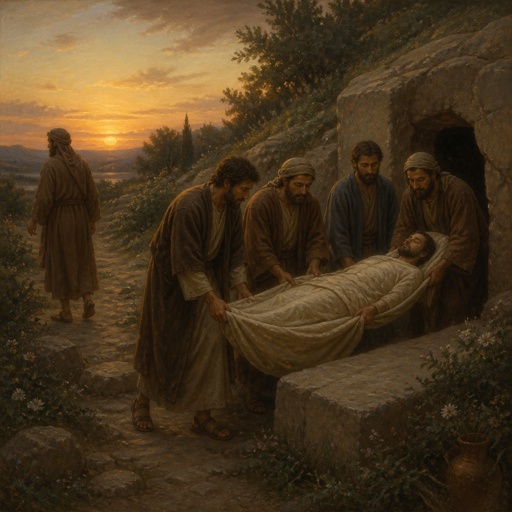
"And his disciples came, and took up the body, and buried it, and went and told Jesus." - Matthew 14:12

John 14:15-21

John 14:23-29

John 14:23-29

1 John 2:14

John 14:23-29

1 John 2:14

John 14:1-2
John 14:16-17