What does John 12:15 mean?
“Fear not, daughter of Sion: behold, thy King cometh, sitting on an ass’s colt.” — John 12:15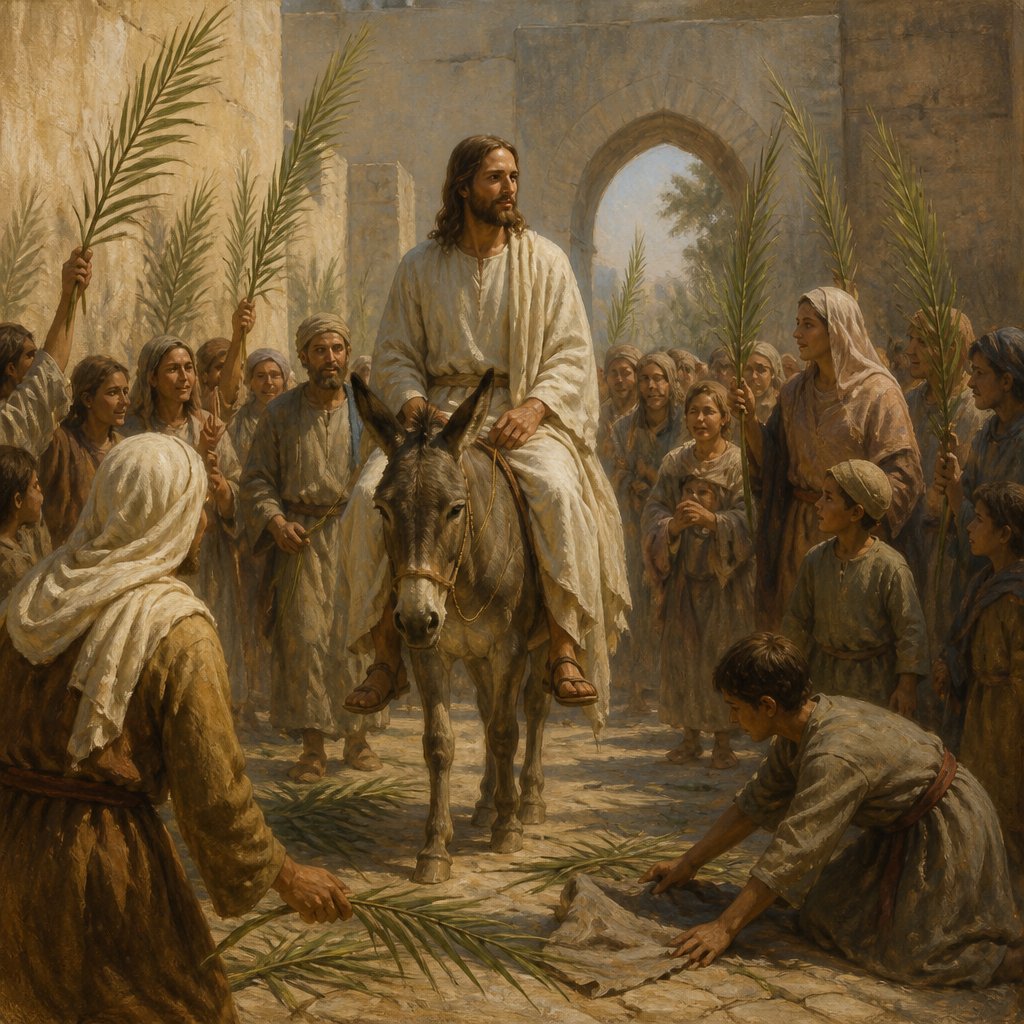
John 12:15 in the King James Version states, "Fear not, daughter of Sion: behold, thy King cometh, sitting on an ass's colt." This verse is part of the biblical account of Jesus’ triumphal entry into Jerusalem. The verse holds significant meaning and symbolism within the Christian tradition, and it carries several important themes related to the identity and mission of Jesus Christ.
The context of John 12:15 is crucial for understanding its significance. Jesus is approaching Jerusalem, and this event marks the beginning of the final week of his life on earth. The people of Jerusalem are welcoming him with great enthusiasm, laying palm branches and their cloaks on the road as a sign of respect and honor. The crowd's actions are a clear indication that they recognize Jesus as a significant figure. This is a fulfillment of the prophecy found in Zechariah 9:9, which states, "Rejoice greatly, O daughter of Zion! Shout, O daughter of Jerusalem! Behold, your King is coming to you; He is just and having salvation, lowly and riding on a donkey, a colt, the foal of a donkey" (NKJV).
The use of the phrase "fear not" in John 12:15 is particularly significant. It reassures the people, specifically the daughter of Zion, that they need not be afraid. This statement is Jesus’ way of comforting and encouraging his followers, assuring them that he comes in peace, not as a conqueror or military leader. It signifies his intention to establish a kingdom of peace and reconciliation rather than one of power and domination.
The reference to the daughter of Zion is also important in this verse. In biblical terms, Zion often refers to the people of God or the city of Jerusalem, and the daughter of Zion represents the inhabitants of this holy city. By addressing the daughter of Zion, Jesus is speaking directly to the Jewish people, reminding them of their heritage and their special place in God's plan.
The image of Jesus riding on a donkey’s colt holds symbolic significance as well. In ancient Jewish culture, the donkey was a symbol of peace and humility. Kings would typically ride on horses, which were associated with war and conquest. By choosing to ride on a donkey, Jesus is presenting himself as a different kind of king—one who comes in peace and humility rather than in power and might. This gesture symbolizes Jesus’ willingness to set aside conventional ideas of kingship and to establish a kingdom based on love, compassion, and servanthood.
Furthermore, the use of the Old Testament prophecy from Zechariah 9:9 in this verse emphasizes Jesus’ role as the fulfillment of Old Testament prophecies. Throughout the book of John, there are numerous references to Jesus fulfilling the scriptures, and this verse is no exception. By arriving in Jerusalem in this manner, Jesus affirms his identity as the promised Messiah, the long-awaited king who would bring salvation to God’s people.
In conclusion, John 12:15 is a powerful and richly symbolic verse that captures the essence of Jesus’ identity and mission. It reassures the daughter of Zion of Jesus’ peaceful intentions, it emphasizes his fulfillment of Old Testament prophecies, and it symbolizes his humble and peaceful kingship. This verse serves as a fitting introduction to the events that will unfold during Jesus’ final week, setting the stage for his sacrificial death and ultimate triumph over sin and death.
Get our apps


Artwork for John 12:15

John 12:15 - "Fear not, daughter of Sion: behold, thy King cometh, sitting on an ass's colt."
"Fear not, daughter of Sion: behold, thy King cometh, sitting on an ass's colt." - John 12:15

John 15:12 love one another

John 15:12 - "This is my commandment, That ye love one another, as I have loved you."

John 15:12 This is My commandment, that you love one another as I have loved you.

John 15:12 This is My commandment, that you love one another as I have loved you.

John 15:12-13 - "My command is this: Love each other as I have loved you. Greater love has no one than this: to lay down one’s life for one’s friends."
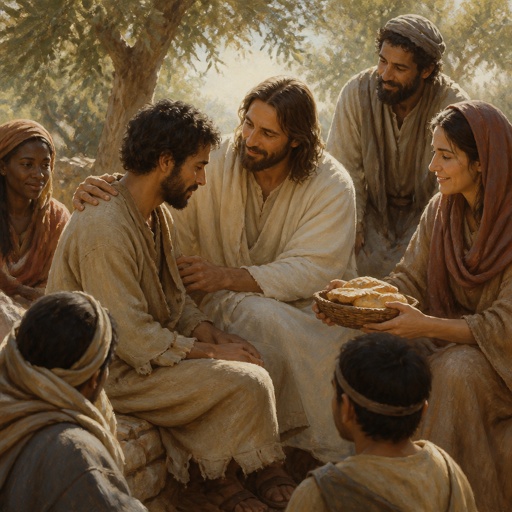
"This is my commandment, That ye love one another, as I have loved you." - John 15:12

John 15:7

John 15:7

John 15:5

John 15:5

John 15 The Vine
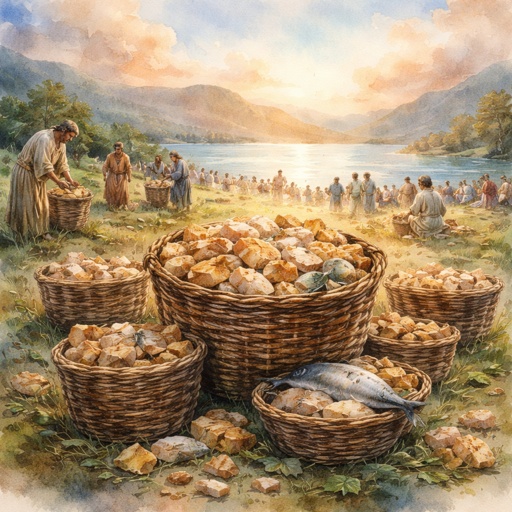
John 6:12

John 8:12

John 14:15-21

John 15:26 NLT

John 15:1-8

John 12:25
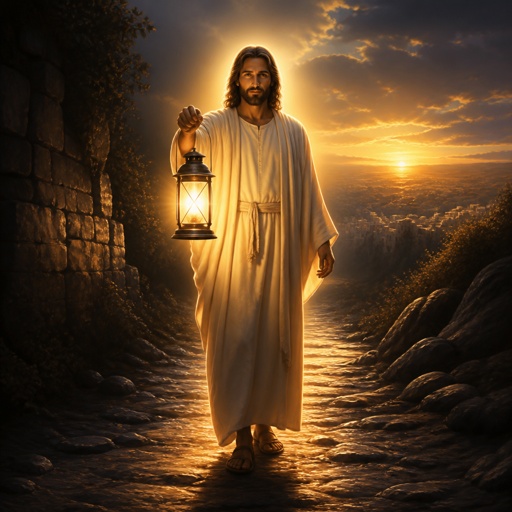
John 8:12

John 8:12

John 8:12
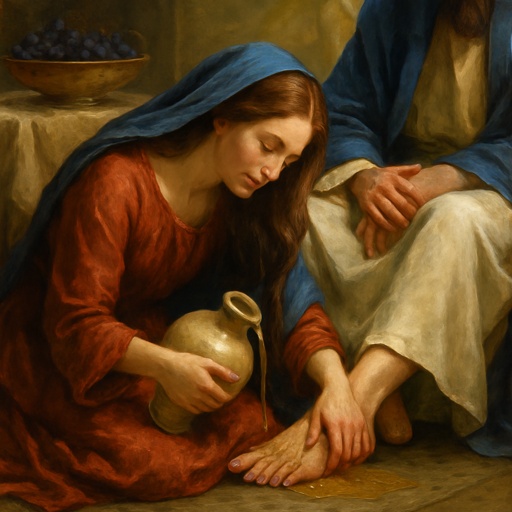
John 12:3

John 8:12

John 12:12-15 - "On the next day much people that were come to the feast, when they heard that Jesus was coming to Jerusalem, took branches of palm trees, and went forth to meet him, and cried, Hosanna: Blessed is the King of Israel that cometh in the name of the Lord. And Jesus, when he had found a young ass, sat thereon; as it is written, Fear not, daughter of Sion: behold, thy King cometh, sitting on an ass's colt."

John 15:9-10

John 15:9-10

John 21:15-19

John 20:11-12

John 12:12 - "¶ On the next day much people that were come to the feast, when they heard that Jesus was coming to Jerusalem,"