What does John 12:19 mean?
“The Pharisees therefore said among themselves, Perceive ye how ye prevail nothing? behold, the world is gone after him.” — John 12:19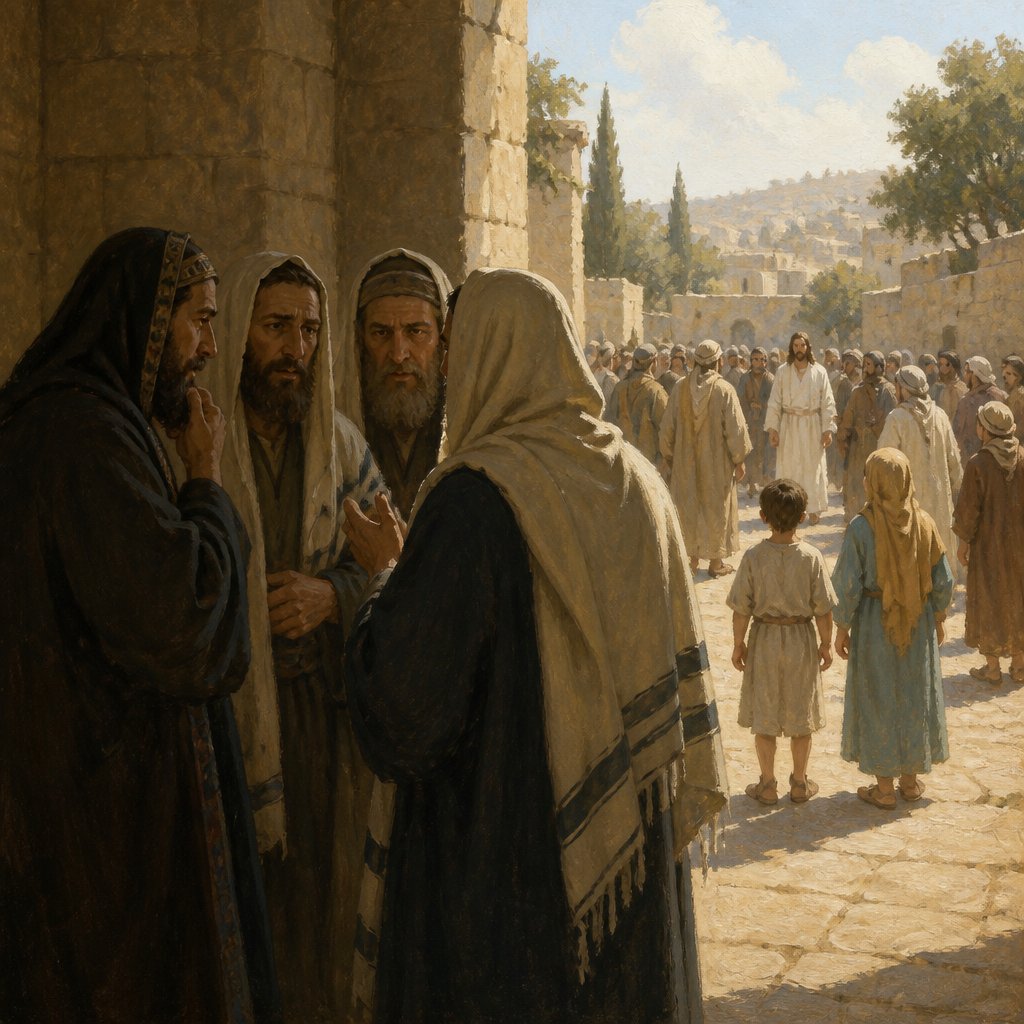
John 12:19 in the King James Version (KJV) reads, "The Pharisees therefore said among themselves, Perceive ye how ye prevail nothing? behold, the world is gone after him." This verse is part of the larger context of Jesus' triumphal entry into Jerusalem, which is a significant event in the Gospel of John. It describes the people's reaction to Jesus' arrival and the response of the religious leaders, the Pharisees.
The verse comes after Jesus had raised Lazarus from the dead, a miracle that had a profound impact on the people, leading many to believe in Jesus as the Messiah. As Jesus entered Jerusalem on a donkey, the crowd welcomed him with palm branches, shouting "Hosanna!" This procession fulfilled an Old Testament prophecy from Zechariah 9:9 and was a powerful declaration of Jesus as the long-awaited King.
The Pharisees' statement in John 12:19 reflects their frustration and disbelief in the growing popularity of Jesus. They were concerned about the influence Jesus had over the people and the threat he posed to their authority. They felt powerless in the face of Jesus' influence and wondered aloud to one another about the fruitless nature of their opposition to him. This verse highlights the deep division and animosity between Jesus and the religious leaders, foreshadowing the conflict that would ultimately lead to Jesus' crucifixion.
One of the key themes in this verse is the contrast between the response of the people and the response of the religious leaders to Jesus. The crowd's enthusiastic reception of Jesus stands in stark contrast to the Pharisees' rejection of him. This dichotomy underscores the idea of Jesus as a divisive figure, one who elicits strong reactions from those around him. It also speaks to the notion of faith and the different ways people respond to the message of Jesus.
The verse also emphasizes the sovereignty and power of Jesus. Despite the opposition he faced from the religious authorities, Jesus' influence continued to grow, and the people continued to follow him. This highlights the idea of Jesus as the authoritative figure who draws people to himself and ultimately prevails over the forces of opposition. It also serves as a reminder of the futility of human resistance to God's will.
Another important aspect of this passage is the symbolism of Jesus' triumphal entry into Jerusalem. The image of Jesus riding on a donkey, as prophesied in Zechariah, was a deliberate and symbolic display of his identity as the promised Messiah. It represented a fulfillment of Old Testament prophecy and conveyed Jesus' role as the humble and peaceful King. This event symbolized the beginning of Jesus' journey to the cross, where he would ultimately fulfill his mission of redemption for humanity.
In conclusion, John 12:19 is a significant verse that captures the tension and conflict surrounding Jesus' ministry. It reflects the distinct reactions to Jesus from the people and the religious leaders, highlighting the themes of faith, power, and prophecy. The verse also symbolizes Jesus' identity as the messianic King and sets the stage for the events that would unfold leading up to his crucifixion. It serves as a poignant reminder of the enduring influence and authority of Jesus, even in the face of opposition and disbelief.
Get our apps


Artwork for John 12:19
John 12:19 - "The Pharisees therefore said among themselves, Perceive ye how ye prevail nothing? behold, the world is gone after him."
"The Pharisees therefore said among themselves, Perceive ye how ye prevail nothing? behold, the world is gone after him." - John 12:19

John 19:12 - "And from thenceforth Pilate sought to release him: but the Jews cried out, saying, If thou let this man go, thou art not Caesar's friend: whosoever maketh himself a king speaketh against Caesar."

John 19:38

John 19:1

John 19:19 - "¶ And Pilate wrote a title, and put it on the cross. And the writing was, JESUS OF NAZARETH THE KING OF THE JEWS."

John 17.6-19

John 19:1-3

John 19:25-27

John 1:19 - "¶ And this is the record of John, when the Jews sent priests and Levites from Jerusalem to ask him, Who art thou?"

John 19:25-27

John 19:26-27

John 21:15-19
John 6:12

John 8:12

John 12:25
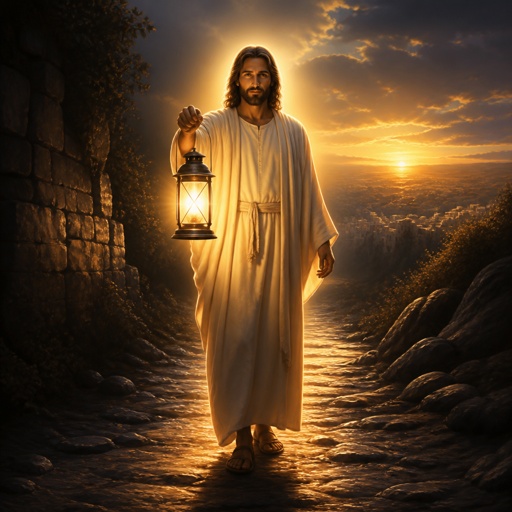
John 8:12

John 8:12

John 8:12
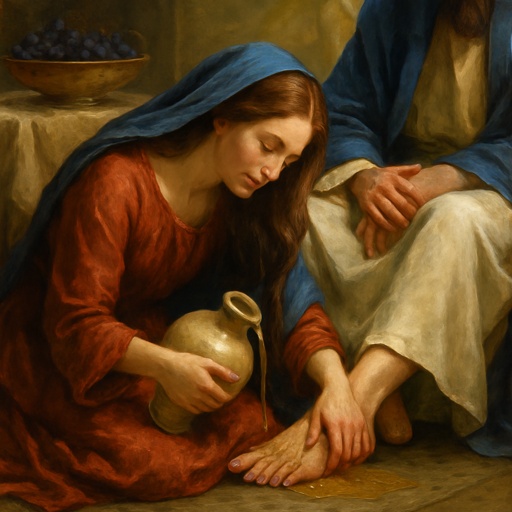
John 12:3

John 8:12

John 10:19 - "¶ There was a division therefore again among the Jews for these sayings."

Genesis 19-12

John 20:11-12

John 19:1 - "Then Pilate therefore took Jesus, and scourged him."

John 19:25-27 with emphasis on Mary

John 12:12 - "¶ On the next day much people that were come to the feast, when they heard that Jesus was coming to Jerusalem,"

John 19:3 - "And said, Hail, King of the Jews! and they smote him with their hands."

John 19:12-13 - "From then on, Pilate tried to release him, but the Jews cried out, "If you let this man go, you are no friend of Caesar. Anyone who claims to be a king opposes Caesar." When Pilate heard this, he brought Jesus out and sat down on the judge's seat at a place known as the Stone Pavement (which in Aramaic is Gabbatha)."

1 John 4:19 - "We love him, because he first loved us."