What does John 12:27 mean?
“Now is my soul troubled; and what shall I say? Father, save me from this hour: but for this cause came I unto this hour.” — John 12:27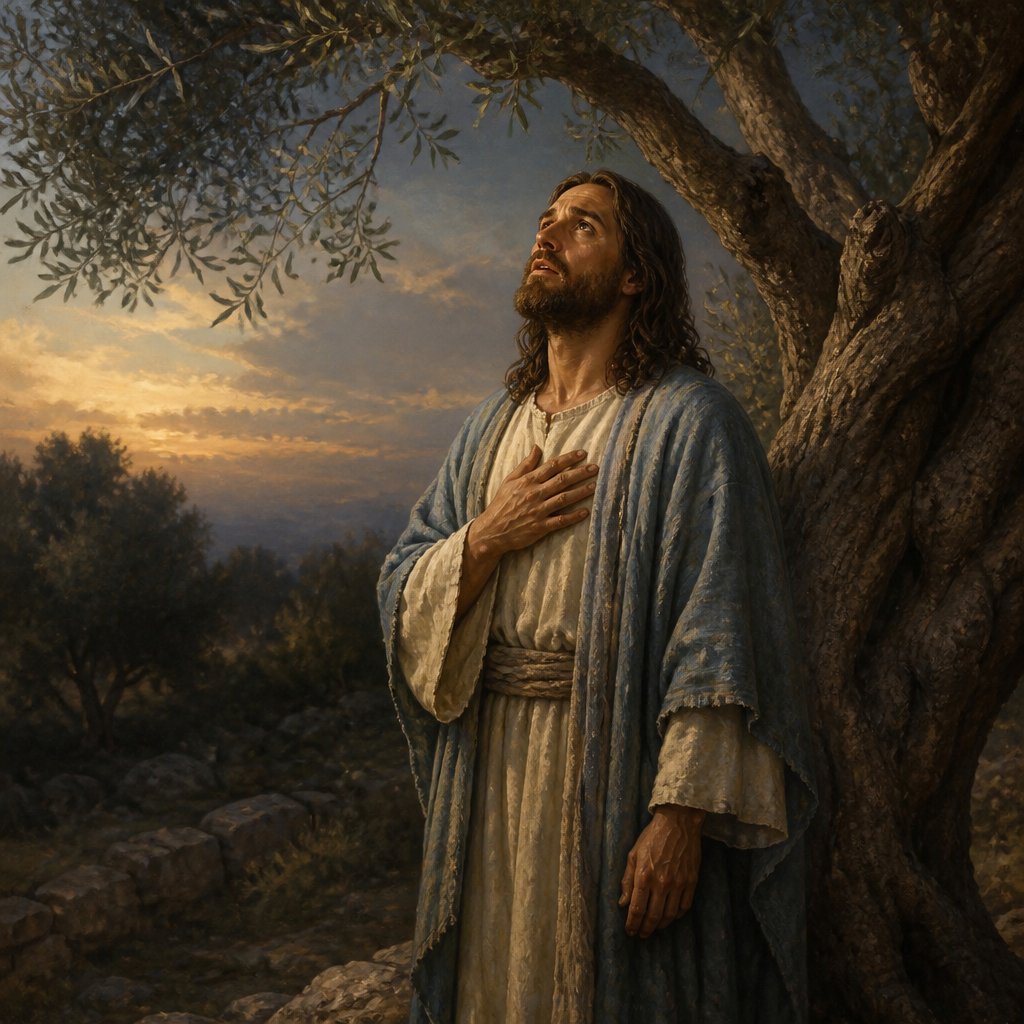
John 12:27 (KJV) states, "Now is my soul troubled; and what shall I say? Father, save me from this hour: but for this cause came I unto this hour."
This verse is an important moment in the life of Jesus, as it captures the inner turmoil and struggle that he experienced as he faced the impending crucifixion. The verse reflects the humanity of Jesus, as well as his obedience to the will of God.
In the context of the passage, Jesus has just entered Jerusalem for the final time before his crucifixion. He knows what awaits him, and the weight of that knowledge is causing him great distress. This verse is part of a larger speech that Jesus delivers, expressing his internal struggle and ultimately his acceptance of the path that lies before him.
The themes present in this verse are numerous and powerful. The most obvious theme is the humanity of Jesus. Despite being the Son of God, Jesus experiences the same emotions and struggles that any human would face in such a situation. This serves to humanize Jesus and make his sacrifice all the more poignant. It also speaks to the reality of suffering that is an inevitable part of the human experience.
Another theme in this verse is that of obedience to God's will. Despite his natural human desire to avoid suffering, Jesus ultimately submits to the will of God, accepting the path that has been laid out for him. This theme is a recurring one throughout the New Testament, emphasizing the importance of obedience and faith in following God's plan, even when it may be difficult or painful.
The symbolism in this verse is also rich and significant. The reference to Jesus' troubled soul highlights the depth of his emotional anguish. It serves as a reminder that even in the face of great suffering, it is possible to maintain faith and obedience to God. The mention of the hour serves as a symbolic representation of the appointed time for Jesus to fulfill his purpose on earth, further emphasizing the significance of the events that are about to unfold.
Overall, John 12:27 is a pivotal verse in the New Testament, capturing the inner turmoil and ultimate submission of Jesus as he faced the impending crucifixion. The themes of humanity, obedience, and suffering are powerfully portrayed, making this verse a poignant reflection on the nature of faith and the human experience. The symbolism present in the verse further adds depth and significance to the portrayal of Jesus' emotional and spiritual struggle. It is a verse that encourages reflection and contemplation on the nature of sacrifice, faith, and the will of God.
Get our apps


Artwork for John 12:27
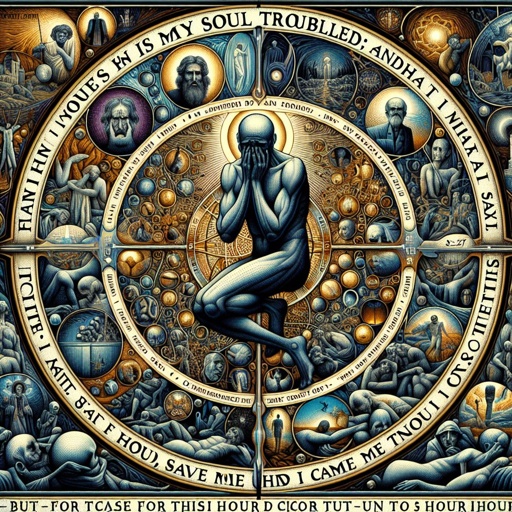
John 12:27 - "Now is my soul troubled; and what shall I say? Father, save me from this hour: but for this cause came I unto this hour."
"Now is my soul troubled; and what shall I say? Father, save me from this hour: but for this cause came I unto this hour." - John 12:27

John 20:27

John 20:27

John 19:25-27

1 John 2:27

John 3:27 - "John answered and said, A man can receive nothing, except it be given him from heaven."

John 19:25-27

1 John 2:27

John 19:26-27

1 John 2:27

1 John 2:27

John 18:27 - "Peter then denied again: and immediately the cock crew."

John 8:27 - "They understood not that he spake to them of the Father."

John 19:25-27 with emphasis on Mary

John 12:26-27 - "If anyone serves me, he must follow me; and where I am, there will my servant be also. If anyone serves me, the Father will honour him. Now is my soul troubled. And what shall I say? 'Father, save me from this hour'? But for this purpose I have come to this hour."

1 Corinthians 12:27
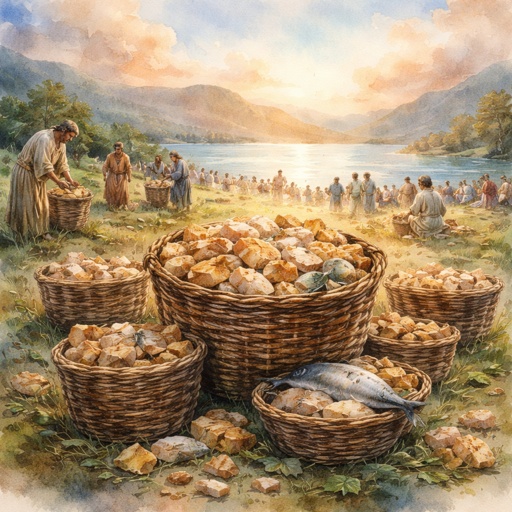
John 6:12

John 8:12

John 12:25
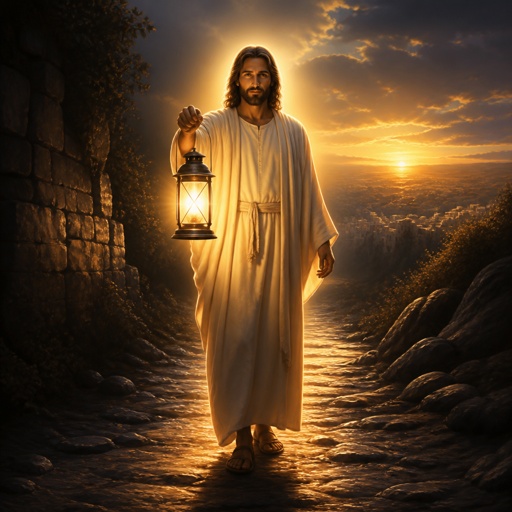
John 8:12

John 8:12

John 8:12
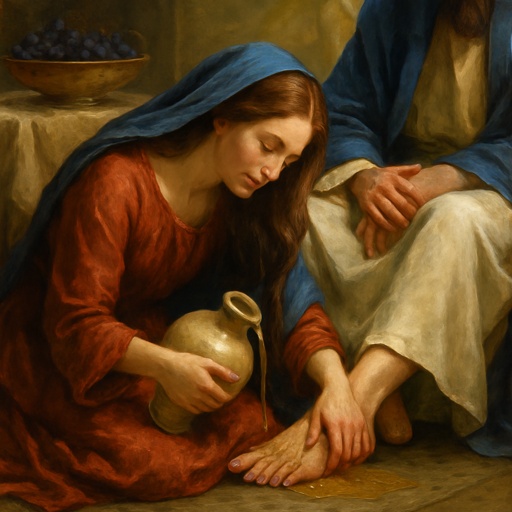
John 12:3

John 8:12

John 10:27 - "My sheep hear my voice, and I know them, and they follow me:"

"They understood not that he spake to them of the Father." - John 8:27

John 15:27 - "And ye also shall bear witness, because ye have been with me from the beginning."

John 20:11-12

John 5:27 - "And hath given him authority to execute judgment also, because he is the Son of man."