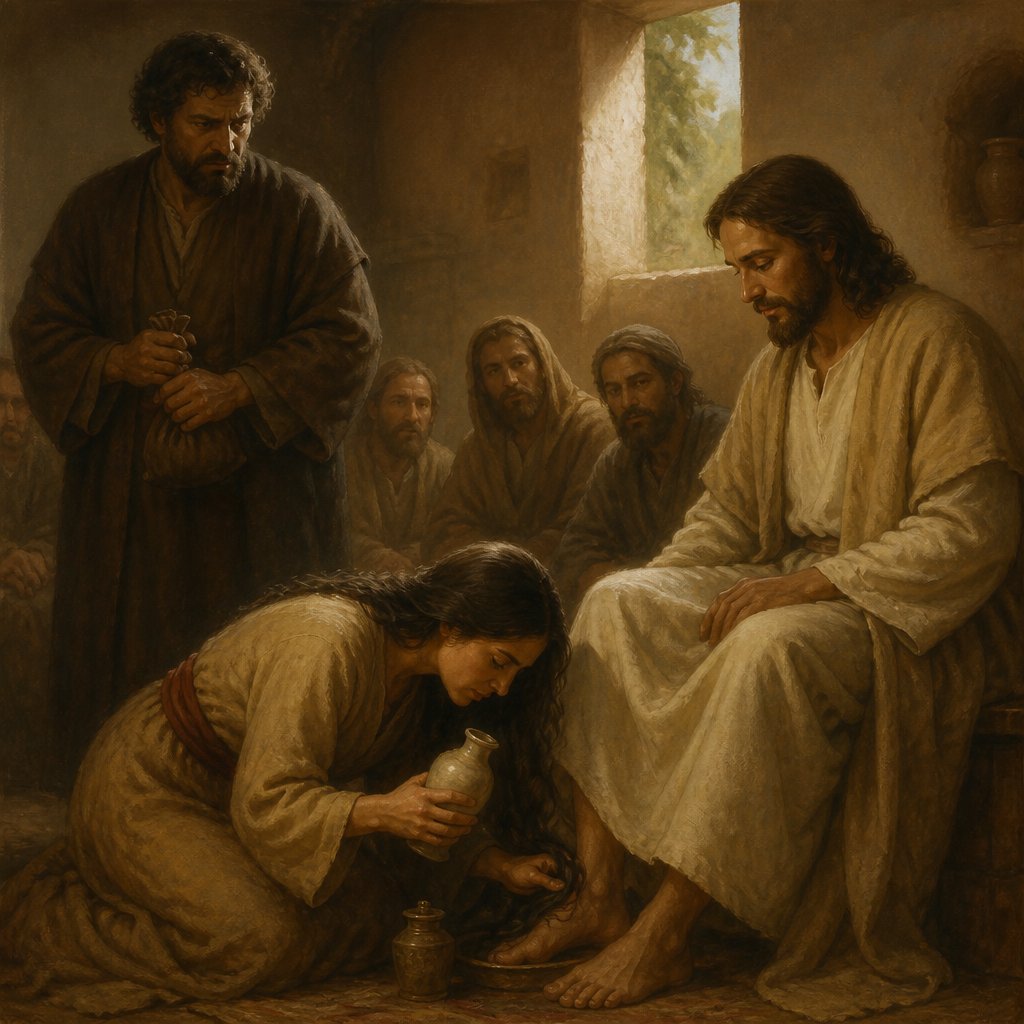
John 12:3-6 from the King James Version (KJV) states, "Then took Mary a pound of ointment of spikenard, very costly, and anointed the feet of Jesus, and wiped his feet with her hair: and the house was filled with the odour of the ointment. Then saith one of his disciples, Judas Iscariot, Simon's son, which should betray him, Why was not this ointment sold for three hundred pence, and given to the poor? This he said, not that he cared for the poor; but because he was a thief, and had the bag, and bare what was put therein."
This passage from the Gospel of John is a rich and meaningful account of an act of love, sacrifice, and devotion to Jesus Christ. It takes place in the home of Mary, Martha, and Lazarus, where Jesus is reclining at the table as a guest of honor. Mary, who is filled with gratitude and love for Jesus, takes a pound of expensive ointment, made from spikenard, and uses it to anoint Jesus' feet. She then wipes his feet with her hair, a gesture of great humility and reverence.
The scent of the ointment fills the house, creating a sensory experience that underscores the extravagance and significance of Mary's actions. Her overwhelming love and adoration for Jesus are evident in her willingness to use such a costly and precious substance on his feet. This act of anointing was a traditional gesture of hospitality and honor in ancient Near Eastern culture, but Mary's use of such a valuable substance elevates it to a symbolic act of worship and devotion.
Judas Iscariot, one of Jesus' disciples, objects to Mary's extravagant display, questioning why the ointment wasn't sold and the money given to the poor. However, John makes it clear that Judas' concern is not genuine, as he is revealed to be a thief who is more interested in his own gain. This interaction sets up a sharp contrast between Mary's selfless love and Judas' selfishness and betrayal.
The themes present in this passage are manifold and rich in meaning. At its heart, this story illustrates the profound love and devotion that Mary has for Jesus. Her act of anointing demonstrates her understanding of Jesus' impending death and her desire to honor him in a deeply personal and meaningful way. This act also parallels Jesus' own act of humble service when he washes the feet of his disciples, further emphasizing the central themes of love, humility, and self-sacrifice that are core to the Christian faith.
The significance of the ointment itself also holds symbolic weight. Spikenard was a rare and expensive perfume, often associated with burial rites and used to anoint the bodies of the deceased. The use of this substance to anoint Jesus' feet foreshadows his approaching death and burial. Additionally, the fragrance filling the house serves as a tangible and sensory reminder of the extraordinary nature of Mary's love and Jesus' impending sacrifice.
The character of Judas Iscariot also plays a crucial role in this passage. His objection to Mary's actions, ostensibly on behalf of the poor, reveals his true motives and foreshadows his eventual betrayal of Jesus. This sets the stage for the contrasting themes of selfless love and devotion, as embodied by Mary, and selfishness and betrayal, embodied by Judas.
In a broader context, this passage underscores the importance of sacrificial love and devotion in the Christian life. Mary's actions are a model of selfless love and reverence for Jesus, and her example challenges readers to consider their own attitudes and actions towards Christ. It also serves as a reminder of the great cost of Jesus' sacrifice for humanity, as well as the profound love and gratitude that should characterize the Christian response to his grace.
In conclusion, John 12:3-6 from the KJV is a profound and multi-layered passage that captures the essence of love, sacrifice, and devotion. Through the actions of Mary, the objections of Judas, and the rich symbolism of the anointing ointment, this story offers deep insight into the central themes of the Christian faith and serves as a powerful reminder of the profound love and sacrifice of Jesus Christ.
Get our apps


Artwork for John 12:3-6

John 12:3-6 - "Then Mary took about a pint of pure nard, an expensive perfume; she poured it on Jesus’ feet and wiped his feet with her hair. And the house was filled with the fragrance of the perfume. But one of his disciples, Judas Iscariot, who was later to betray him, objected, "Why wasn't this perfume sold and the money given to the poor? It was worth a year's wages." He did not say this because he cared about the poor but because he was a thief; as keeper of the money bag, he used to help himself to what was put into it."

"Then Mary took about a pint of pure nard, an expensive perfume; she poured it on Jesus’ feet and wiped his feet with her hair. And the house was filled with the fragrance of the perfume. But one of his disciples, Judas Iscariot, who was later to betray him, objected, "Why wasn't this perfume sold and the money given to the poor? It was worth a year's wages." He did not say this because he cared about the poor but because he was a thief; as keeper of the money bag, he used to help himself to what was put into it." - John 12:3-6
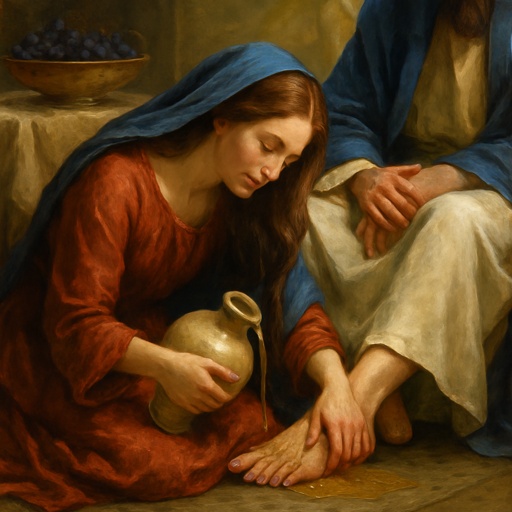
John 12:3
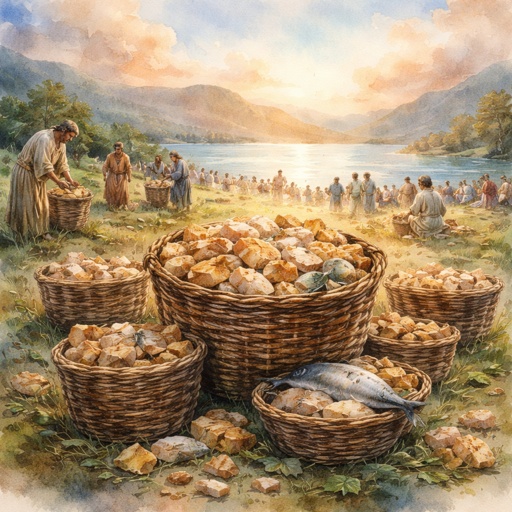
John 6:12

John 6:3 - "And Jesus went up into a mountain, and there he sat with his disciples."

John 3:6 - "That which is born of the flesh is flesh; and that which is born of the Spirit is spirit."

Matthew 3:11-12

John 6:12 - "When they were filled, he said unto his disciples, Gather up the fragments that remain, that nothing be lost."

John 12:6 - "This he said, not that he cared for the poor; but because he was a thief, and had the bag, and bare what was put therein."

1 John 3:6 - "Whosoever abideth in him sinneth not: whosoever sinneth hath not seen him, neither known him."

John 3:12 - "If I have told you earthly things, and ye believe not, how shall ye believe, if I tell you of heavenly things?"

Matthew 3:11-12

John 12:3 - "Then took Mary a pound of ointment of spikenard, very costly, and anointed the feet of Jesus, and wiped his feet with her hair: and the house was filled with the odour of the ointment."

3 John 1:12 - "Demetrius hath good report of all men, and of the truth itself: yea, and we also bear record; and ye know that our record is true."

"And Jesus went up into a mountain, and there he sat with his disciples." - John 6:3
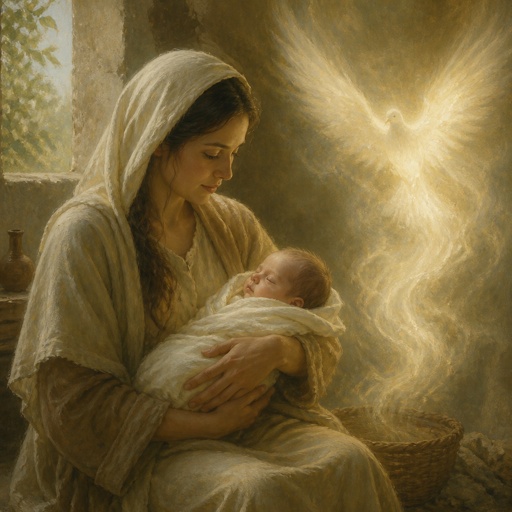
"That which is born of the flesh is flesh; and that which is born of the Spirit is spirit." - John 3:6

1 John 3:12 - "Not as Cain, who was of that wicked one, and slew his brother. And wherefore slew he him? Because his own works were evil, and his brother's righteous."

John 12:3 (KJV) 3 Then took Mary a pound of ointment of spikenard, very costly, and anointed the feet of Jesus, and wiped his feet with her hair: and the house was filled with the odour of the ointment.

John 12:3 (KJV) 3 Then took Mary a pound of ointment of spikenard, very costly, and anointed the feet of Jesus, and wiped his feet with her hair: and the house was filled with the odour of the ointment.

John 12:3 (KJV) 3 Then took Mary a pound of ointment of spikenard, very costly, and anointed the feet of Jesus, and wiped his feet with her hair: and the house was filled with the odour of the ointment.

John 12:3 (KJV) 3 Then took Mary a pound of ointment of spikenard, very costly, and anointed the feet of Jesus, and wiped his feet with her hair: and the house was filled with the odour of the ointment.
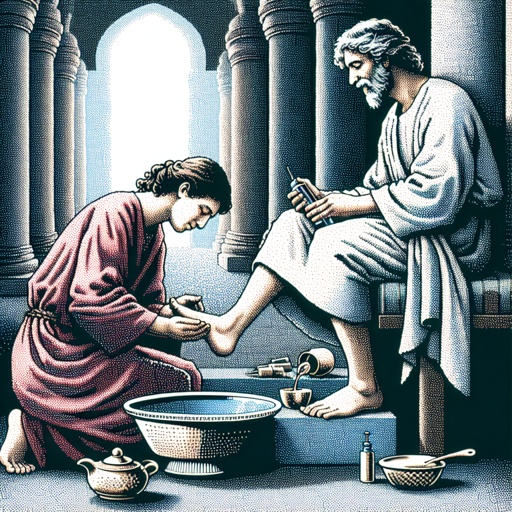
John 12:3 (KJV) 3 Then took Mary a pound of ointment of spikenard, very costly, and anointed the feet of Jesus, and wiped his feet with her hair: and the house was filled with the odour of the ointment.

John 12:3 (KJV) 3 Then took Mary a pound of ointment of spikenard, very costly, and anointed the feet of Jesus, and wiped his feet with her hair: and the house was filled with the odour of the ointment.

John 12:3 (KJV) 3 Then took Mary a pound of ointment of spikenard, very costly, and anointed the feet of Jesus, and wiped his feet with her hair: and the house was filled with the odour of the ointment.

John 12:3 (KJV) 3 Then took Mary a pound of ointment of spikenard, very costly, and anointed the feet of Jesus, and wiped his feet with her hair: and the house was filled with the odour of the ointment.

3 John 1:6 - "Which have borne witness of thy charity before the church: whom if thou bring forward on their journey after a godly sort, thou shalt do well:"

John 12:3 (KJV) 3 Then took Mary a pound of ointment of spikenard, very costly, and anointed the feet of Jesus, and wiped his feet with her hair: and the house was filled with the odour of the ointment.

John 12:3 (KJV) 3 Then took Mary a pound of ointment of spikenard, very costly, and anointed the feet of Jesus, and wiped his feet with her hair: and the house was filled with the odour of the ointment.

John 12:3 (KJV) 3 Then took Mary a pound of ointment of spikenard, very costly, and anointed the feet of Jesus, and wiped his feet with her hair: and the house was filled with the odour of the ointment.

"Then came also publicans to be baptized, and said unto him, Master, what shall we do?" - Luke 3:12