What does John 12:33 mean?
“This he said, signifying what death he should die.” — John 12:33
John 12:33 in the King James Version of the Bible reads, “This he said, signifying what death he should die.” This verse comes from a passage in the Gospel of John, which recounts Jesus' public ministry, teachings, and interactions with the people of Jerusalem during the week leading up to his crucifixion. The verse in question is part of a larger passage in which Jesus predicts his own death and explains the significance of his impending crucifixion.
In this particular verse, Jesus is speaking to a crowd of people, explaining the nature of his impending death. The significance of his words lies in the fact that he is not merely predicting his death, but rather providing insight into the meaning and purpose behind it. This verse serves as a foreshadowing of the crucifixion, as Jesus is trying to convey the manner in which he will die and the significance of it in God's plan for salvation.
The context of this verse is crucial to understanding its deeper meaning. Throughout the Gospels, Jesus consistently spoke about his impending death and resurrection. In John 12:32, just before this verse, Jesus says, “And I, if I be lifted up from the earth, will draw all men unto me.” The lifting up refers to his crucifixion, and by "all men," Jesus is referring to all people, regardless of their background or social status. This demonstrates the universal nature of Jesus' sacrifice and the inclusivity of God's saving grace.
The theme of sacrifice is central to the message of this verse. By emphasizing the specific manner in which he would die, Jesus is drawing attention to the sacrificial nature of his death. The crucifixion was a brutal and humiliating form of execution, typically reserved for criminals and rebels, yet Jesus willingly submitted himself to this fate as an act of ultimate love and sacrifice. His death was not the result of a random set of circumstances, but rather a deliberate and purposeful sacrifice for the redemption of humanity.
Symbolism is also prevalent in this verse, particularly in Jesus' use of the phrase "lifted up." Throughout the Gospel of John, this phrase is used to foreshadow both the crucifixion and the exaltation of Jesus. On one hand, Jesus is lifted up on the cross in a display of suffering and humiliation, but on the other hand, he is lifted up in glory through his resurrection and ascension to the right hand of God. This dual symbolism underscores the paradox of Jesus' death – it was a moment of apparent defeat and humiliation, yet it ultimately led to victory and exaltation.
Furthermore, the ultimate meaning of Jesus' death is further illuminated when viewed in light of the broader biblical narrative. In the Old Testament, the sacrificial system was central to the worship of God, with various offerings and rituals designed to atone for sin and restore the relationship between God and humanity. When Jesus refers to the manner in which he will die, he is drawing on this imagery of sacrifice, positioning himself as the ultimate sacrificial lamb whose death would bring about the forgiveness and redemption of sin.
In conclusion, John 12:33 encapsulates the profound significance of Jesus' impending death. It serves as a testament to the sacrificial nature of his crucifixion, the universal impact of his sacrifice, and the deeper symbolism embedded in this pivotal moment in salvation history. This verse serves as a reminder of the love and humility of Jesus, who willingly suffered and died for the sake of all humanity. It also underscores the redemptive power of his death, as it ultimately leads to the triumph of resurrection and the establishment of a new covenant between God and humanity.
Get our apps


Artwork for John 12:33

John 12:33 - "This he said, signifying what death he should die."

"This he said, signifying what death he should die." - John 12:33

John 12:32-33 - "And I, when I am lifted up from the earth, will draw all people to myself. He said this to show the kind of death he was going to die."

John 16:33

John 16:33

John 16:33

John 16:33
John 16:33

John 16:33

John 16 : 33

John 1:33

John 5:33 - "Ye sent unto John, and he bare witness unto the truth."

Exodus 12:33

John 9:33 - "If this man were not of God, he could do nothing."

Nehemiah 12:33 - "And Azariah, Ezra, and Meshullam,"

John 19:33 - "But when they came to Jesus, and saw that he was dead already, they brake not his legs:"

"Ye sent unto John, and he bare witness unto the truth." - John 5:33

John 3:33 - "He that hath received his testimony hath set to his seal that God is true."

Mark 14:33 - "And he taketh with him Peter and James and John, and began to be sore amazed, and to be very heavy;"

John 4:33 - "Therefore said the disciples one to another, Hath any man brought him ought to eat?"

John 6:33 - "For the bread of God is he which cometh down from heaven, and giveth life unto the world."

Numbers 33:12 - "And they took their journey out of the wilderness of Sin, and encamped in Dophkah."

"And Azariah, Ezra, and Meshullam," - Nehemiah 12:33

John 18:33 - "Then Pilate entered into the judgment hall again, and called Jesus, and said unto him, Art thou the King of the Jews?"

Luke 7:33 - "For John the Baptist came neither eating bread nor drinking wine; and ye say, He hath a devil."

Isaiah 33:12 - "And the people shall be as the burnings of lime: as thorns cut up shall they be burned in the fire."
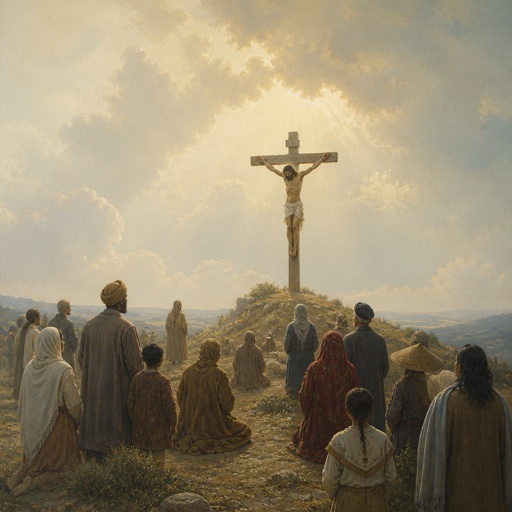
"And I, when I am lifted up from the earth, will draw all people to myself. He said this to show the kind of death he was going to die." - John 12:32-33

John 6:12

John 8:12
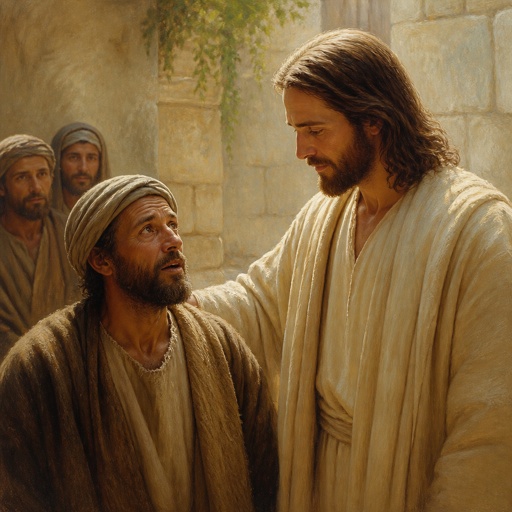
"If this man were not of God, he could do nothing." - John 9:33