What does John 12:41 mean?
“These things said Esaias, when he saw his glory, and spake of him.” — John 12:41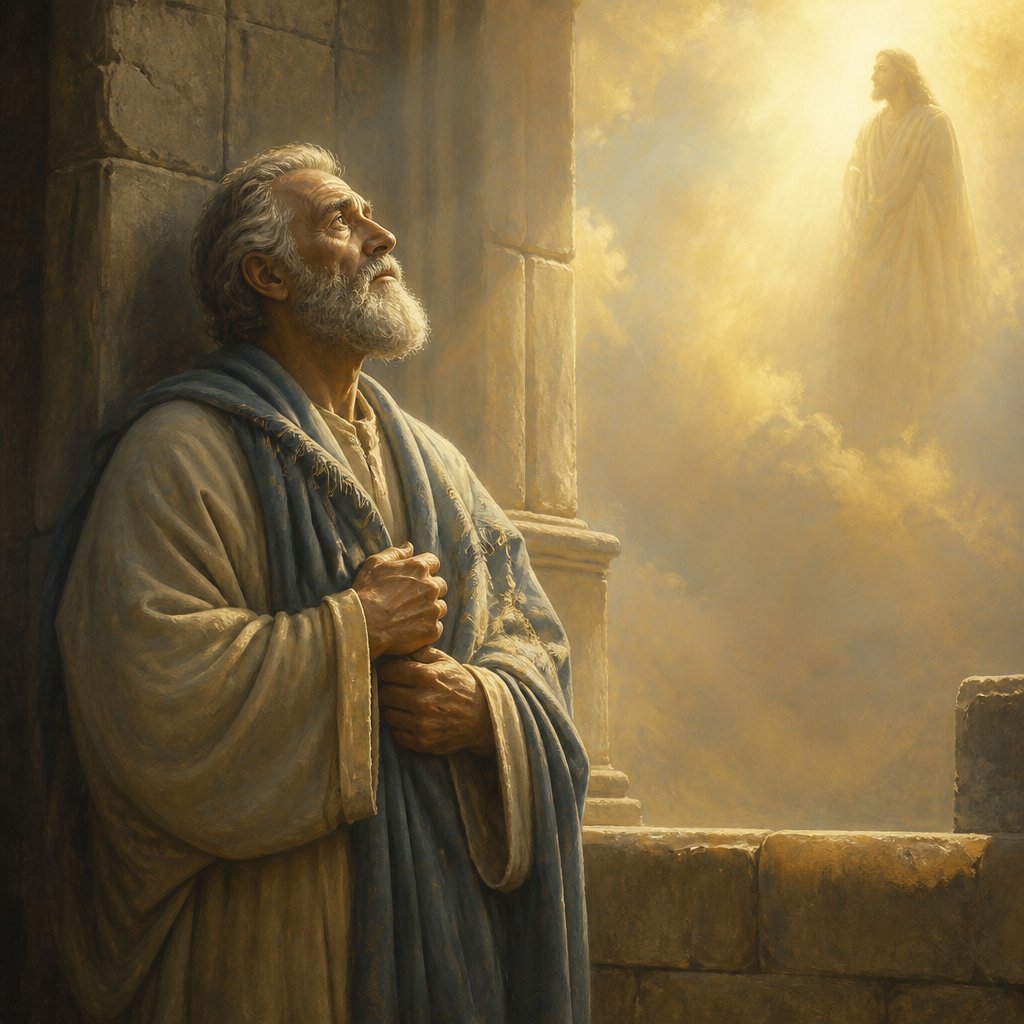
John 12:41 (KJV) "These things said Esaias, when he saw his glory, and spake of him."
In this verse from the Gospel of John, the author is referencing the prophet Isaiah and his vision of the glory of God. The verse is part of a larger passage in which the author is reflecting on the unbelief of the people despite the miracles of Jesus. The verse is used to emphasize the prophetic nature of Isaiah's words and to connect them to the person of Jesus.
The context of this verse is important for understanding its significance. In the preceding verses, Jesus has performed many miracles and has drawn large crowds of people who have witnessed these miracles. Despite the evidence of Jesus's divinity, the people still struggle to believe in him. This sets the stage for the author to bring in Isaiah's prophecy as a way to validate Jesus's claims to being the Son of God.
The mention of Isaiah in this verse is significant because he is one of the most well-known and respected prophets in the Hebrew Bible. Isaiah's prophecies are often seen as messianic and are highly influential in Christian theology. By connecting Isaiah's vision to the person of Jesus, the author of John is reinforcing the idea that Jesus is the fulfillment of Old Testament prophecy.
The mention of "his glory" in the verse further emphasizes the divinity of Jesus. Throughout the Gospel of John, the concept of Jesus's glory is a recurring theme. The glory of Jesus is often associated with his identity as the Son of God and with the revelation of God to humanity through Jesus. The use of the term "glory" in this verse is significant because it highlights the majesty and splendor of Jesus, further affirming his divine nature.
The use of pronouns in the verse is also worth noting. The pronouns "he" and "him" are used to refer to Jesus, indicating that Isaiah's vision was ultimately about Jesus. This strengthens the connection between the Old Testament prophecy and the person of Jesus, emphasizing the continuity between the two. The use of pronouns also serves to elevate the status of Jesus as the subject of Old Testament prophecy and the ultimate fulfillment of God's plan for redemption.
Symbolism plays a significant role in this verse as well. The concept of glory is a powerful symbol that is often used to represent the divine presence and majesty of God. In the Old Testament, the glory of God is often depicted as a radiant light or cloud, symbolizing the awe-inspiring nature of God's presence. By connecting the vision of Isaiah to the glory of Jesus, the author is symbolically equating Jesus with the divine presence and emphasizing his role as the revelation of God to humanity.
The overarching theme of this verse is the fulfillment of prophecy through the person of Jesus. The author is underscoring the prophetic nature of Isaiah's vision and its connection to the person of Jesus. This theme is central to the Gospel of John, which consistently presents Jesus as the fulfillment of Old Testament prophecy and the ultimate revelation of God to humanity.
In conclusion, John 12:41 is a powerful verse that points to the prophetic nature of Old Testament scripture and its connection to the person of Jesus. Through references to Isaiah's vision and the concept of glory, the verse serves to affirm Jesus's divinity and his role as the fulfillment of God's plan for redemption. The verse encapsulates the broader themes of fulfillment of prophecy, divine revelation, and the majesty of Jesus, making it a significant and richly layered passage in the Gospel of John.
Get our apps


Artwork for John 12:41

John 12:41 - "These things said Esaias, when he saw his glory, and spake of him."
"These things said Esaias, when he saw his glory, and spake of him." - John 12:41

Ephesians 4:1-2

Ephesians 4:1-2

Ephesians 4:1-2

Ephesians 4:1-2

Ephesians 4:1-2

Ephesians 4:1-2

Ephesians 4:1-2

Ephesians 4:1-2

Ephesians 4:1-2

Ephesians 4:1-2

Ephesians 4:1-2

Ephesians 4:1-2

1 Corinthians 4:1-2

John 10:41 - "And many resorted unto him, and said, John did no miracle: but all things that John spake of this man were true."

John 9:1-41

John 5:41 - "I receive not honour from men."

Mark 12:41 - 44
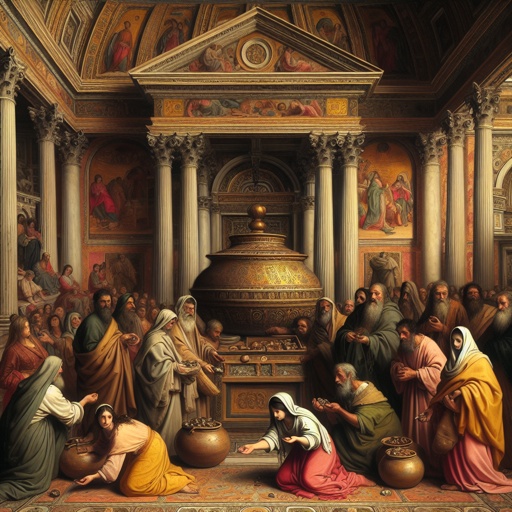
Mark 12:41 - 44

John 4:41 - "And many more believed because of his own word;"

Mark 10:41 - "And when the ten heard it, they began to be much displeased with James and John."

Mark 12:41 - 44

Mark 12:41 - 44

Mark 12:41 - 44

John 7:41 - "Others said, This is the Christ. But some said, Shall Christ come out of Galilee?"
"I receive not honour from men." - John 5:41

John 6:41 - "The Jews then murmured at him, because he said, I am the bread which came down from heaven."

John 19:41 - "Now in the place where he was crucified there was a garden; and in the garden a new sepulchre, wherein was never man yet laid."

Nehemiah 12:41 - "And the priests; Eliakim, Maaseiah, Miniamin, Michaiah, Elioenai, Zechariah, and Hananiah, with trumpets;"