What does John 13:19 mean?
“Now I tell you before it come, that, when it is come to pass, ye may believe that I am he.” — John 13:19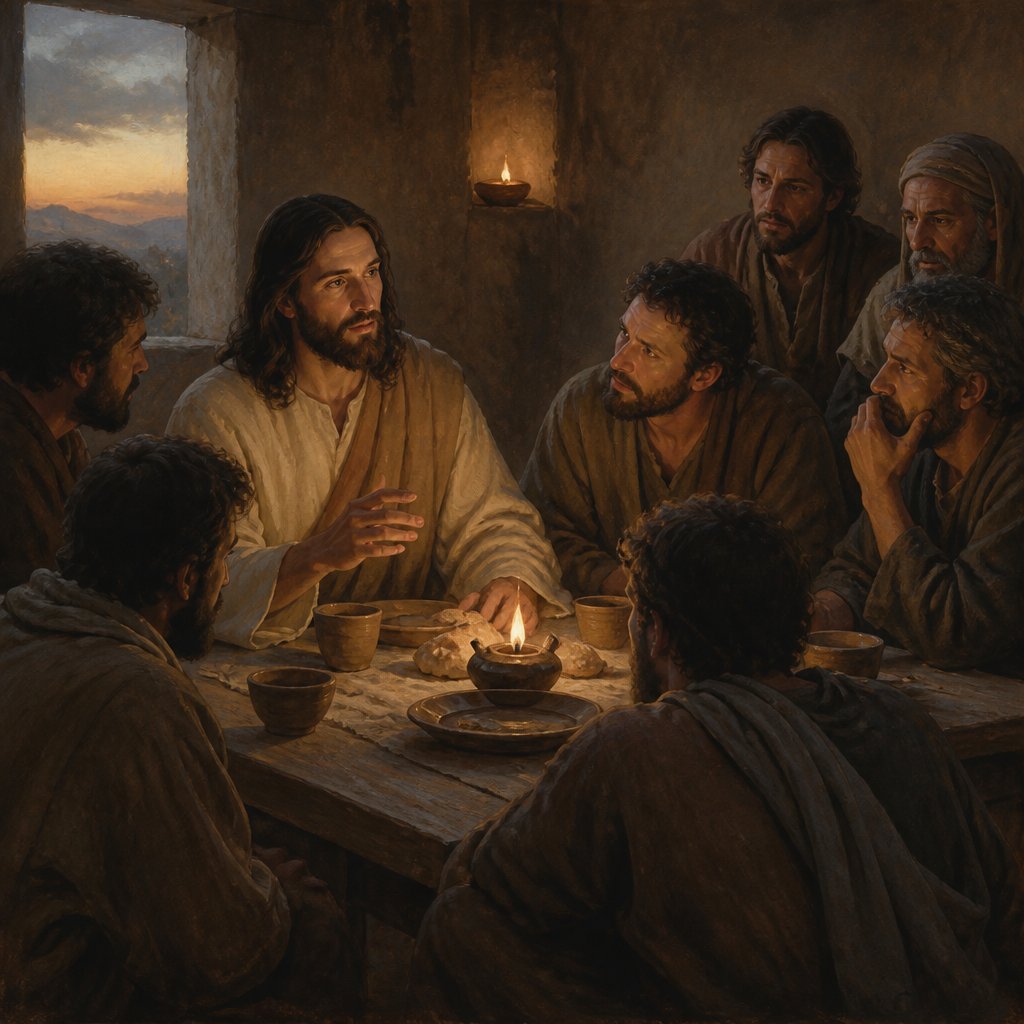
In the King James Version, John 13:19 reads, "Now I tell you before it come, that, when it is come to pass, ye may believe that I am he."
This verse is part of a larger passage in the Gospel of John that takes place during the Last Supper. Jesus is speaking to his disciples and foretelling his betrayal by Judas and his impending crucifixion. The verse 18 preceding it says, "I speak not of you all: I know whom I have chosen: but that the scripture may be fulfilled, He that eateth bread with me hath lifted up his heel against me." These verses highlight Jesus' awareness of his impending betrayal and his desire for his disciples to understand the significance of these events.
The verse in question, John 13:19, serves as a reminder of Jesus' divine nature and his role as the Messiah. By predicting these events before they occur, Jesus demonstrates his foreknowledge and his control over the unfolding events. This points to the fulfillment of Old Testament prophecies, such as those found in Isaiah 53, that foretold the suffering and sacrificial death of the Messiah. In this way, Jesus is reinforcing his role as the fulfillment of God's plan for salvation.
The theme of fulfillment is central to the Gospel of John, as the author frequently emphasizes the fulfillment of Old Testament prophecies in Jesus' life and ministry. This verse echoes the words of Jesus in Matthew 5:17, where he declares, "Think not that I am come to destroy the law, or the prophets: I am not come to destroy, but to fulfill." This concept of fulfillment is essential in understanding Jesus' role in bringing about the completion of God's redemptive plan for humanity.
Another theme present in this verse is the concept of belief. Jesus prefaces his prediction with the phrase, "Now I tell you before it come, that, when it is come to pass, ye may believe that I am he." This statement underscores the importance of belief in Jesus as the Messiah and the Son of God. By foretelling these events, Jesus is providing evidence for his divinity and the truth of his teachings. He is encouraging his disciples to place their trust in him, even in the face of his impending suffering and death.
The context of this verse within the larger narrative of the Last Supper is significant. Jesus' actions and teachings during this meal hold deep symbolic meaning, particularly in the institution of the Lord's Supper, where he instructs his disciples to partake of bread and wine in remembrance of him. In this context, Jesus' prediction of his betrayal and crucifixion serves as a sobering reminder of the sacrifice he is about to make for the sins of the world.
Symbolically, the verse also reinforces the idea of Jesus as the fulfillment of God's plan for salvation. His foreknowledge of these events and his willingness to undergo suffering and death demonstrate his role as the ultimate atoning sacrifice for humanity's sin. The phrase "that I am he" echoes the divine identity of Jesus as the "I AM" spoken of in the Old Testament, aligning him with the eternal and unchanging nature of God.
Overall, John 13:19 is a powerful and poignant reminder of Jesus' foreknowledge, his role as the fulfillment of Old Testament prophecies, and the importance of belief in him as the Son of God. It is a testament to Jesus' divinity and the sacrificial love that led him to lay down his life for the salvation of humanity. This verse serves as a foundational element in understanding the redemptive significance of Jesus' crucifixion and the hope that it offers to those who believe in him.
Get our apps


Artwork for John 13:19

John 13:19 - "Now I tell you before it come, that, when it is come to pass, ye may believe that I am he."
"Now I tell you before it come, that, when it is come to pass, ye may believe that I am he." - John 13:19

John 19:13 - "¶ When Pilate therefore heard that saying, he brought Jesus forth, and sat down in the judgment seat in a place that is called the Pavement, but in the Hebrew, Gabbatha."

John 19:38

John 19:1

John 13

John 19:19 - "¶ And Pilate wrote a title, and put it on the cross. And the writing was, JESUS OF NAZARETH THE KING OF THE JEWS."

John 17.6-19

John 19:1-3

John 19:25-27

John 1:19 - "¶ And this is the record of John, when the Jews sent priests and Levites from Jerusalem to ask him, Who art thou?"

John 19:25-27

John 19:26-27

John 21:15-19

Luke 13:18-19

Luke 13:18-19

John 10:19 - "¶ There was a division therefore again among the Jews for these sayings."

John 13:13 - "Ye call me Master and Lord: and ye say well; for so I am."
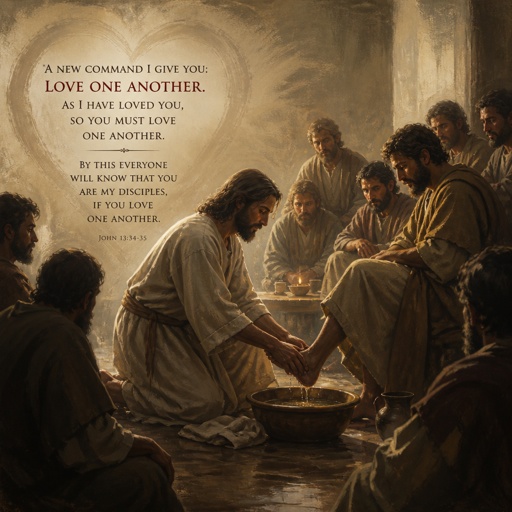
John 13: 34-35

Genesis 19-13

John 13:4-9

JOHN 6:11-13

John 20:11-13
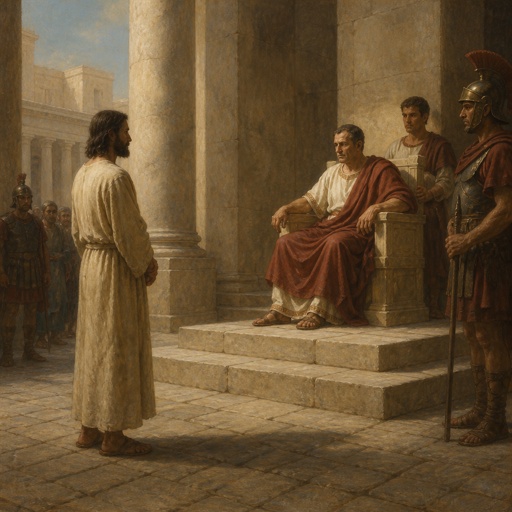
"¶ When Pilate therefore heard that saying, he brought Jesus forth, and sat down in the judgment seat in a place that is called the Pavement, but in the Hebrew, Gabbatha." - John 19:13

Matthew 19:13

John 19:1 - "Then Pilate therefore took Jesus, and scourged him."

1 John 4:13

John 13:31-35

John 19:25-27 with emphasis on Mary

John 19:12-13 - "From then on, Pilate tried to release him, but the Jews cried out, "If you let this man go, you are no friend of Caesar. Anyone who claims to be a king opposes Caesar." When Pilate heard this, he brought Jesus out and sat down on the judge's seat at a place known as the Stone Pavement (which in Aramaic is Gabbatha)."