What does John 13:25 mean?
“He then lying on Jesus’ breast saith unto him, Lord, who is it?” — John 13:25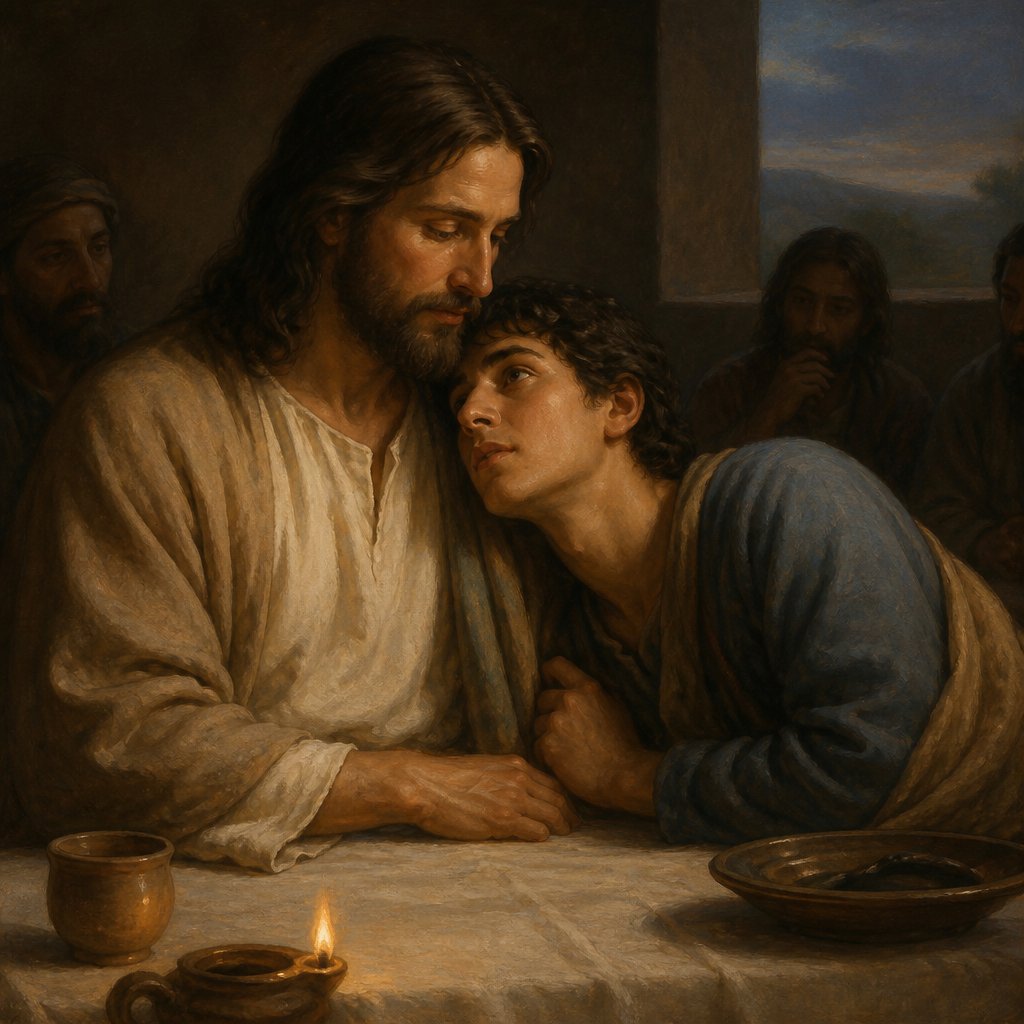
John 13:25 in the King James Version (KJV) reads: "He then lying on Jesus' breast saith unto him, Lord, who is it?"
This verse is part of the narrative of the Last Supper, a crucial event in the Christian faith. It takes place just before Jesus reveals to his disciples that one of them will betray him. The context of this verse is critical to understanding its significance, as it occurs during a moment of great tension and emotion among Jesus and his closest followers.
The phrase "He then lying on Jesus' breast" refers to the disciple John, who is often described as "the disciple whom Jesus loved." In this particular scene, John is reclining next to Jesus at the table, a common posture for dining in that time period. The fact that John is physically close to Jesus is symbolic of his close relationship with the Savior. It also serves to highlight the intimacy and familiarity that the disciples had with Jesus, a theme that is central to the Gospel of John.
The verse continues with John asking Jesus, "Lord, who is it?" This question reveals the disciples' deep concern and confusion about Jesus' earlier statement that one of them will betray him. They are troubled and desperate for answers, and John's proximity to Jesus indicates that he is in a prime position to seek clarification from the Lord.
The broader theme at play in this verse is the complex interplay of love, friendship, and betrayal. John's position next to Jesus symbolizes the bond between a beloved disciple and his teacher, while the question he asks reflects the deep loyalty and devotion the disciples have for Jesus. At the same time, the looming betrayal highlights the fragility of human relationships and the potential for deception and disloyalty, even among those who are closest to us.
The context of the Last Supper adds another layer of significance to this verse. The Last Supper is a sacred and solemn moment in Christian tradition, as it commemorates the final meal Jesus shared with his disciples before his crucifixion. It is during this gathering that Jesus institutes the sacrament of the Eucharist, which holds deep spiritual and symbolic meaning for Christians. In this context, John's closeness to Jesus and his question about the identity of the betrayer underscore the intense emotions and spiritual significance of the moment.
This verse also points to the theme of divine foreknowledge and the fulfillment of prophecy. Jesus is aware of the identity of his betrayer, and he has already alluded to this earlier in the narrative. John's question serves as a catalyst for Jesus to reveal more explicitly that it is Judas Iscariot who will betray him. This foreknowledge and the subsequent fulfillment of Jesus' prediction are central to the Gospel's portrayal of Jesus as the divine Son of God who is in control of his destiny and the events that are about to unfold.
Furthermore, the theme of trust and faith is also evident in this verse. Despite the impending betrayal and the fear and uncertainty that the disciples are experiencing, they continue to look to Jesus for guidance and reassurance. John's question to Jesus reflects a willingness to trust in the Lord's wisdom and authority, even in the face of impending adversity.
In conclusion, John 13:25 is a rich and multi-layered verse that encapsulates important themes of love, loyalty, betrayal, divine foreknowledge, and trust. Its placement within the narrative of the Last Supper and its emphasis on the intimate relationship between Jesus and his disciples make it a poignant and powerful moment in the Gospel of John. As with many verses in the Bible, its depth and significance invite readers to reflect on the complexities of human relationships, the nature of faith, and the enduring power of divine love.
Get our apps


Artwork for John 13:25

John 13:25 - "He then lying on Jesus' breast saith unto him, Lord, who is it?"
"He then lying on Jesus' breast saith unto him, Lord, who is it?" - John 13:25

Acts 13:25 - "And as John fulfilled his course, he said, Whom think ye that I am? I am not he. But, behold, there cometh one after me, whose shoes of his feet I am not worthy to loose."

John 18:25

John 12:25

John 15.12-25

John 21:25

John 19:25-27

John 19:25-27

John 13

Genesis 25-13

John 19:25-27 with emphasis on Mary

John 7:25 - "Then said some of them of Jerusalem, Is not this he, whom they seek to kill?"

Job 39:13-25

Matthew 25:11-13

John 3:25 - "¶ Then there arose a question between some of John's disciples and the Jews about purifying."

Hebrews 13:25 - "Grace be with you all. Amen."

John 2:25 - "And needed not that any should testify of man: for he knew what was in man."

1 John 2:25 - "And this is the promise that he hath promised us, even eternal life."

John 13:13 - "Ye call me Master and Lord: and ye say well; for so I am."
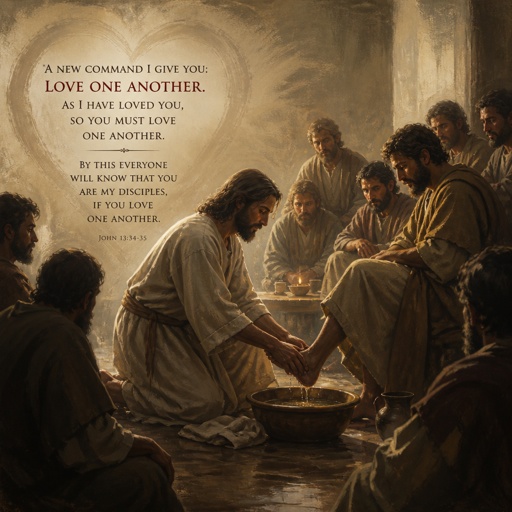
John 13: 34-35

John 13:4-9

JOHN 6:11-13

John 20:11-13

John 14:25 - "These things have I spoken unto you, being yet present with you."

1 John 4:13

John 13:31-35

John 15:25 - "But this cometh to pass, that the word might be fulfilled that is written in their law, They hated me without a cause."

Numbers 13:25 - "And they returned from searching of the land after forty days."

John 9:13 - "¶ They brought to the Pharisees him that aforetime was blind."