What does John 13:6 mean?
"Then cometh he to Simon Peter: and Peter saith unto him, Lord, dost thou wash my feet?" - John 13:6
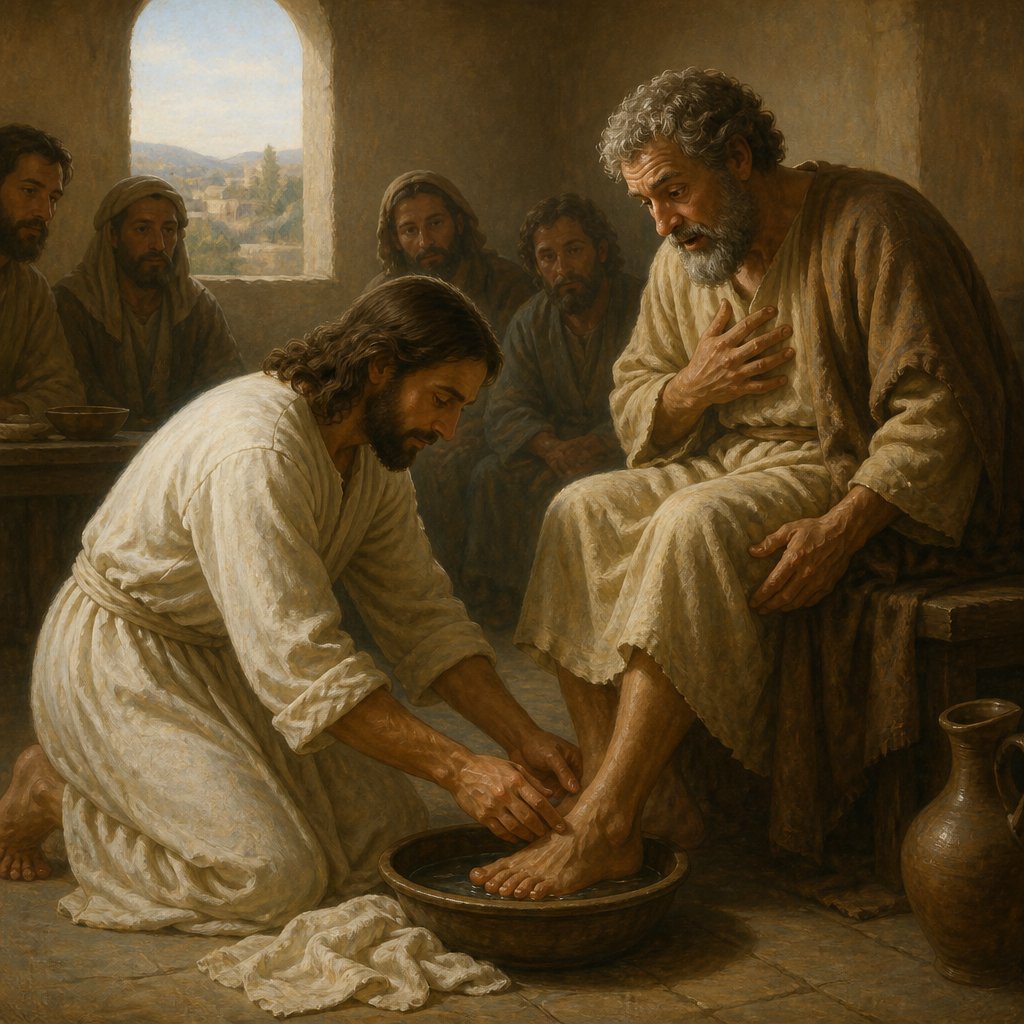
John 13:6 (KJV) states, "Then cometh he to Simon Peter: and Peter saith unto him, Lord, dost thou wash my feet?" This verse takes place during the Last Supper, a significant event in the Christian faith. The passage is a key moment in the narrative of Jesus washing the disciples' feet, which serves as a powerful symbol of humility, service, and love.
The context of this verse is important for understanding its meaning. The Last Supper was a solemn and intimate occasion where Jesus gathered with his disciples to share a final meal before his crucifixion. In this particular passage, Jesus, the Son of God and the disciples' teacher, takes on the role of a servant and begins to wash the feet of his disciples. This act of humility and service was typically performed by a servant, and it would have been shocking for the disciples to see their revered leader taking on such a humble position.
The verse begins with Jesus approaching Simon Peter, who reacts with incredulity at the idea of his master washing his feet. Peter's response reveals a common cultural expectation of honor and status, as well as a reluctance to accept what he perceives as a reversal of roles. Peter's question, "Lord, dost thou wash my feet?" reflects his disbelief and possibly his discomfort with the idea of Jesus performing such a menial task.
The deeper meaning of this passage lies in Jesus' response to Peter's question and in the overall symbolism of the foot-washing ritual. Jesus recognizes Peter's initial resistance and explains to him the significance of the act, stating in John 13:7 (KJV), "What I do thou knowest not now; but thou shalt know hereafter." Jesus is not only addressing Peter's immediate concerns, but also hinting at the spiritual lesson that the disciples will come to understand in time.
The foot-washing ritual exemplifies the core themes of humility, love, and servanthood that are central to Jesus' teachings. By performing this act, Jesus demonstrates his willingness to serve others and to set an example of selfless love. In verses 14-15 (KJV), Jesus explains this concept to his disciples: "If I then, your Lord and Master, have washed your feet; ye also ought to wash one another's feet. For I have given you an example, that ye should do as I have done to you."
This symbolic act challenges the disciples, and by extension, all believers, to emulate Jesus' example of humility and service. It serves as a powerful reminder that true greatness comes from serving others and prioritizing their needs above one's own. Through this act, Jesus also emphasizes the importance of love and unity within the Christian community, as he tells the disciples in John 13:34-35 (KJV), "A new commandment I give unto you, That ye love one another; as I have loved you, that ye also love one another. By this shall all men know that ye are my disciples, if ye have love one to another."
The significance of this verse extends to the broader narrative of Jesus' passion and crucifixion, where his ultimate act of sacrificial love is displayed. The foot-washing event foreshadows the impending sacrifice and reinforces the message of love and humility that Jesus embodies in his final moments with his disciples.
In summary, John 13:6 (KJV) captures a pivotal moment in the Last Supper, where Jesus' act of washing the disciples' feet symbolizes the core principles of humility, service, and love. This passage challenges believers to follow Jesus' example and emphasizes the importance of selfless love and unity within the Christian community. It serves as a poignant reminder of the transformative power of humble service and the enduring message of love that lies at the heart of the Christian faith.
Have questions about John 13:6?
Dive deeper into this scripture with Bible Chat — an AI-powered tool for exploring God's Word through conversation. Ask questions, get context, and grow in your understanding of the Bible.
Get Our Apps


John 13:6 Artwork

John 13:6 - "Then cometh he to Simon Peter: and Peter saith unto him, Lord, dost thou wash my feet?"
"Then cometh he to Simon Peter: and Peter saith unto him, Lord, dost thou wash my feet?" - John 13:6

JOHN 6:11-13

John 6:13 - "Therefore they gathered them together, and filled twelve baskets with the fragments of the five barley loaves, which remained over and above unto them that had eaten."

John 13
John 1:6 - "¶ There was a man sent from God, whose name was John."

John 6:63

John 6:63

John 6:63

John 6:63

John 13:13 - "Ye call me Master and Lord: and ye say well; for so I am."

John 13:4-9

John 20:11-13
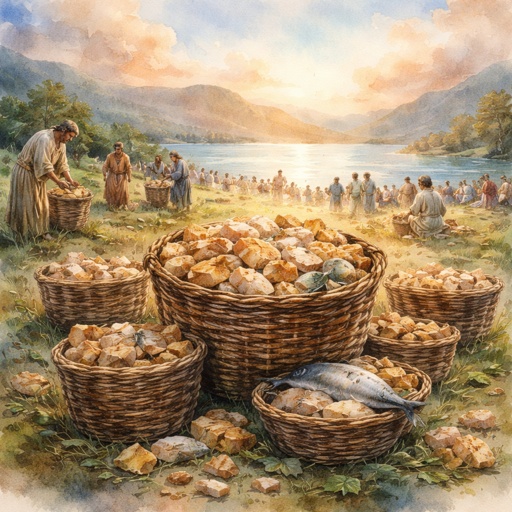
John 6:12

John 6:40

John 21:6

John 14:6

John 6:16

John 21:6

John 6:37

John 21:6

John 21:6

John 6:40

1 John 4:13

John 13:31-35

John 6:8-9

John 9:13 - "¶ They brought to the Pharisees him that aforetime was blind."

John 6:6 - "And this he said to prove him: for he himself knew what he would do."

Ephesians 6:13

Ephesians 6:13