What does John 13:7 mean?
“Jesus answered and said unto him, What I do thou knowest not now; but thou shalt know hereafter.” — John 13:7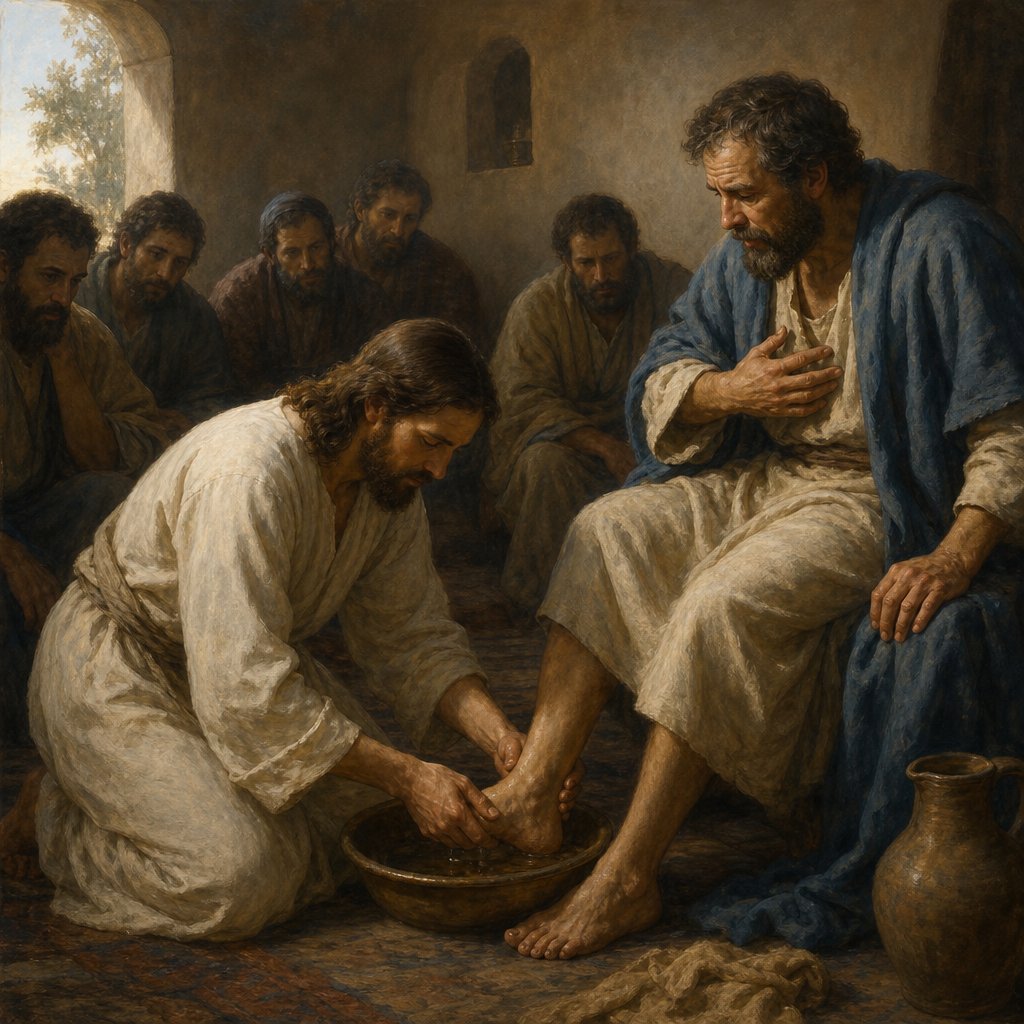
John 13:7 in the King James Version of the Bible reads, “Jesus answered and said unto him, What I do thou knowest not now; but thou shalt know hereafter.” This verse takes place during the Last Supper, where Jesus is washing the feet of His disciples. It is a pivotal moment in the narrative of Jesus’ ministry, as it not only serves as a demonstration of humility and servanthood but also foreshadows the events that are to come.
The overall theme of this verse is one of trust and faith. Jesus is addressing Peter, who initially refuses to let Jesus wash his feet, as he feels it is beneath Jesus’ dignity. However, Jesus responds by telling Peter that he may not understand the significance of the act at the moment, but in time, he will come to understand its importance. This demonstrates the idea of trusting in God’s plan, even when we may not fully comprehend it at the moment.
The context of this verse is important to consider. The Last Supper is a significant event in Christian theology, as it is the setting for the institution of the Eucharist. It is also the final meal that Jesus shares with His disciples before His crucifixion. Within this context, Jesus’ act of washing His disciples’ feet takes on added significance. In Jewish culture, foot washing was a task reserved for the lowest of servants, and by taking on this role, Jesus demonstrates the ultimate act of humility and servanthood.
The symbolism in this verse is also noteworthy. The act of foot washing symbolizes cleansing and purification, both physically and spiritually. In this context, the washing of the disciples’ feet serves as a symbolic gesture of spiritual cleansing, as Jesus prepares His followers for the events to come. Additionally, the idea of not understanding the full significance of Jesus’ actions at the moment but coming to understand later is symbolic of the broader Christian journey of faith and understanding.
Furthermore, the verse can be interpreted as a lesson in humility and obedience. Jesus, as the Son of God, could have easily refused to wash His disciples’ feet. However, by taking on the role of a servant, He sets an example for His followers to emulate. This act serves as a reminder of the Christian call to serve others with humility and to submit to God’s will, even when we may not fully grasp it.
Moreover, the verse can also be seen as foreshadowing the impending events of Jesus’ crucifixion and resurrection. While the disciples may have been perplexed by Jesus’ actions at the time, they would come to understand their significance in the wake of His death and resurrection. This emphasizes the theme of trusting in God’s plan, even in the face of confusion and uncertainty.
In conclusion, John 13:7 is a verse rich in thematic and symbolic significance. It serves as a reminder of the importance of trust and faith in God’s plan, the call to humility and servanthood, and the ultimately redemptive nature of Jesus’ sacrifice. It is a verse that speaks to the Christian journey of understanding and faith, and one that continues to resonate with believers today.
Get our apps


Artwork for John 13:7

John 13:7 - "Jesus answered and said unto him, What I do thou knowest not now; but thou shalt know hereafter."
"Jesus answered and said unto him, What I do thou knowest not now; but thou shalt know hereafter." - John 13:7

John 7:13 - "Howbeit no man spake openly of him for fear of the Jews."

"Howbeit no man spake openly of him for fear of the Jews." - John 7:13

John 13

John 7:38

John 15:7

John 7:38

John 15:7

John 7:38

John 7:38

John 7:17-18

John 7:37-39

John 7:17-18

John 7:37-39

John 13:13 - "Ye call me Master and Lord: and ye say well; for so I am."

John 7:17-18

John 7:17-18
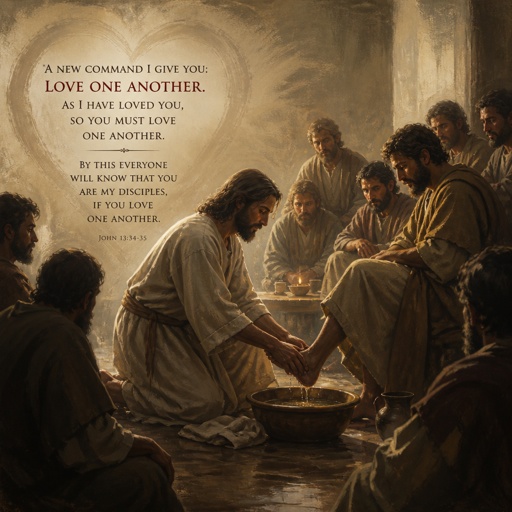
John 13: 34-35

John 13:4-9

JOHN 6:11-13

John 20:11-13

John 7:38

John 7:38

John 7:38

1 John 4:13

John 13:31-35

John 9:13 - "¶ They brought to the Pharisees him that aforetime was blind."

John 7:7 - "The world cannot hate you; but me it hateth, because I testify of it, that the works thereof are evil."

John 4:6-7