What does John 14:7 mean?
"If ye had known me, ye should have known my Father also: and from henceforth ye know him, and have seen him." - John 14:7
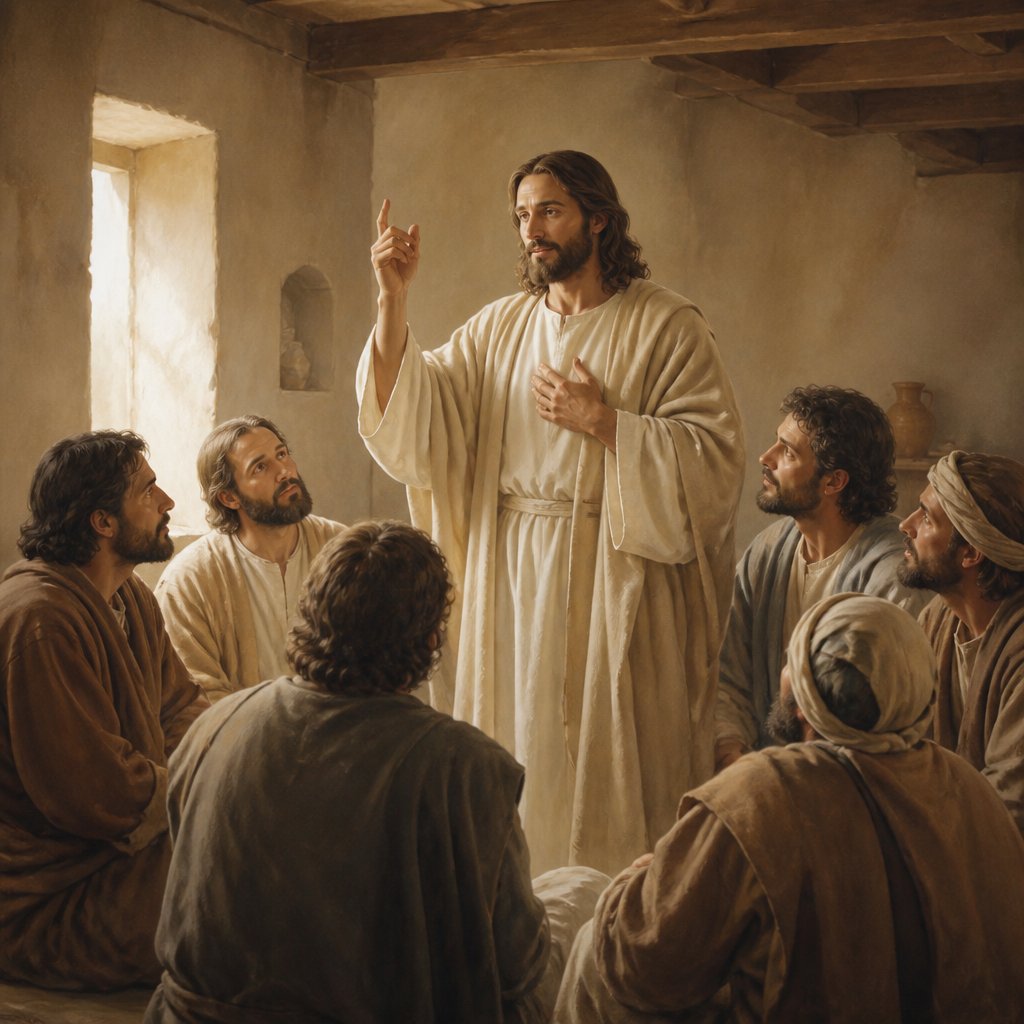
John 14:7 (KJV) – "If ye had known me, ye should have known my Father also: and from henceforth ye know him, and have seen him."
This verse is part of a larger passage in the Gospel of John where Jesus is having a conversation with his disciples. Throughout this conversation, Jesus is trying to prepare his disciples for his impending departure and to reassure them that even though he will soon be physically separated from them, they will still be connected to him and to God the Father.
In this particular verse, Jesus is addressing Philip, who has just asked him to show them the Father. Jesus responds by telling Philip that whoever knows him also knows the Father, and whoever has seen him has seen the Father. This statement is significant because it emphasizes Jesus' unity with the Father. He is essentially saying that to know and see Jesus is to know and see God because they are one and the same.
The context of this verse is important in understanding its meaning. At the time when Jesus spoke these words, his disciples were likely feeling confused and anxious about his departure. They had followed him, learned from him, and had come to believe in him as the Messiah. Now, with the realization that he would soon be gone, they were likely feeling uncertain about what came next. Jesus' words were meant to reassure and strengthen their faith in him and in God.
One of the main themes of this verse is the concept of divine unity. Jesus is asserting his identity as the Son of God and emphasizing the close relationship between himself and the Father. This idea is central to Christian theology, as it underscores the belief in the Trinity – the Father, Son, and Holy Spirit as three distinct persons in one God. Jesus' statement in this verse affirms the unity and oneness of the divine nature, and by extension, the closeness of the disciples to God through their relationship with Jesus.
Another important theme in this verse is the idea of knowledge and revelation. Jesus is telling his disciples that by knowing him, they also know the Father. This implies that knowledge of God comes through knowledge of Jesus, and that a personal relationship with Jesus is essential for understanding and communing with God. This concept highlights the core of Christian faith – that salvation and true understanding of God come through a personal relationship with Jesus Christ.
The symbolism in this verse lies in the image of Jesus as the manifestation of the Father. When Jesus tells Philip, "he who has seen me has seen the Father," he is using visual imagery to express the idea that seeing and knowing Jesus is equivalent to seeing and knowing God. This symbolism serves to reinforce the close bond between Jesus and the Father, and to emphasize the importance of faith in Jesus for a relationship with God.
In summary, John 14:7 is a powerful and significant verse in the Gospel of John, conveying essential themes of divine unity, knowledge, and revelation. It reaffirms the identity of Jesus as the Son of God and emphasizes the inseparable connection between Jesus and the Father. Through this verse, believers are reminded of the necessity of knowing and having a relationship with Jesus in order to know and have a relationship with God. Its rich themes and profound symbolism make it a foundational component of Christian faith and theology.
Have questions about John 14:7?
Dive deeper into this scripture with Bible Chat — an AI-powered tool for exploring God's Word through conversation. Ask questions, get context, and grow in your understanding of the Bible.
Get Our Apps


John 14:7 Artwork

John 14:7 - "If ye had known me, ye should have known my Father also: and from henceforth ye know him, and have seen him."
"If ye had known me, ye should have known my Father also: and from henceforth ye know him, and have seen him." - John 14:7
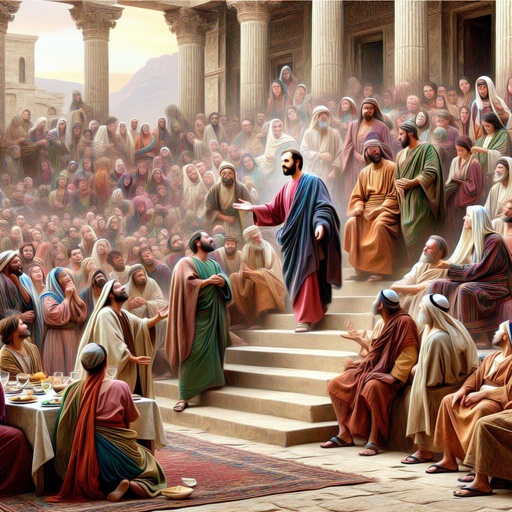
John 7:14 - "¶ Now about the midst of the feast Jesus went up into the temple, and taught."
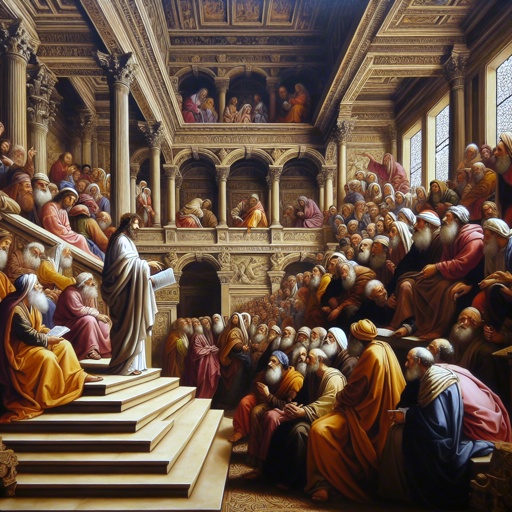
John 7:14 Now about the middle of the feast Jesus went up into the temple and taught.
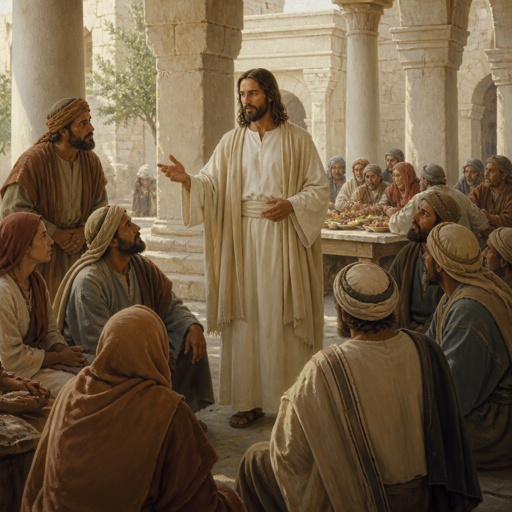
"¶ Now about the midst of the feast Jesus went up into the temple, and taught." - John 7:14

John 14

John 14:30

John 3:14

John 14:16

John 14:6
John 7:38

John 15:7

John 7:38

John 14:28

John 20:14

John 14:14 - "If ye shall ask any thing in my name, I will do it."

John 15:7

John 7:38

John 7:38

John 7:17-18

John 7:37-39

John 7:17-18

John 7:37-39

John 14:15-21

John 14:23-29

John 7:17-18

John 7:17-18

John 7:38

John 14:23-29

1 John 2:14