What does John 14:22 mean?
“Judas saith unto him, not Iscariot, Lord, how is it that thou wilt manifest thyself unto us, and not unto the world?” — John 14:22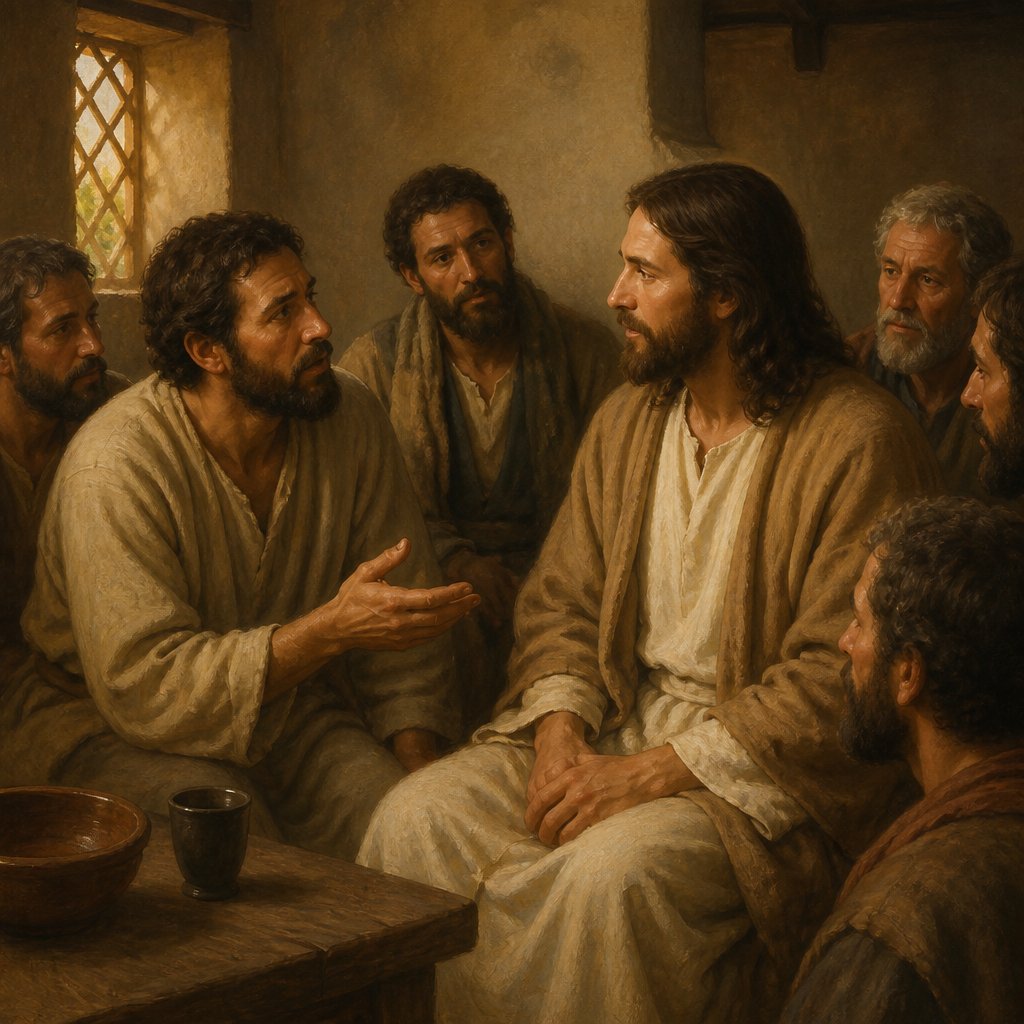
John 14:22 in the King James Version of the Bible says, "Judas saith unto him, not Iscariot, Lord, how is it that thou wilt manifest thyself unto us, and not unto the world?"
This verse occurs within the larger context of the Farewell Discourse, where Jesus is comforting and instructing His disciples before His impending crucifixion. In this particular verse, Judas (not Iscariot) is asking Jesus how He will make Himself known to His followers but not to the world at large.
The passage holds several important themes and offers insights into the nature of Christ's manifestation to His believers and the world at large.
One theme present in this verse is the concept of divine revelation. Judas is inquiring about how Jesus will reveal Himself to His followers while remaining hidden from the world. This raises questions about the nature of Christ's manifestation and the different ways in which individuals may come to know and recognize Him. It suggests that there is a special kind of revelation and relationship that Christ has with His disciples that sets them apart from the rest of the world.
Another theme of this verse is the distinction between believers and non-believers. Judas's question implies that there will be a difference in the way that Jesus is revealed to His followers compared to the way He is made known to those who do not believe in Him. This speaks to the idea that there is a spiritual understanding and vision granted to those who have faith in Christ, allowing them to perceive and experience His presence in a way that is hidden from those who do not believe.
The verse also touches on the concept of divine intimacy and personal relationship with Jesus. Judas's question reveals a desire for a deeper understanding of how Jesus will make Himself known to His followers. This inquiry speaks to the longing for a closer, more intimate connection with Christ, and a desire to understand the ways in which He reveals Himself to His disciples in a unique and personal manner. It also emphasizes the idea that Christ's manifestation is not just a general revelation to the world, but rather a personalized and intimate experience for those who believe in Him.
There is also an element of mystery and paradox in this verse. Judas's question highlights the enigmatic nature of Christ's manifestation, as it seems to be both revealed and concealed at the same time. This paradoxical nature of Christ's revelation suggests that His presence transcends human understanding and defies simplistic explanations. It also points to the deeper spiritual truths that are often veiled from the world but are made known to those who have eyes to see and ears to hear.
Symbolism in this verse can be found in the contrast between light and darkness, and the idea of spiritual blindness. Jesus' manifestation to His followers can be seen as a symbol of spiritual illumination and insight, while His concealment from the world represents the spiritual blindness and lack of understanding that exists apart from Him. This symbolizes the difference between those who have faith and those who do not, and the transformative power of Christ's presence in the lives of believers.
In conclusion, John 14:22 offers profound insights into the nature of Christ's manifestation to His followers and the world at large. It touches on themes of divine revelation, the distinction between believers and non-believers, divine intimacy, and the paradoxical nature of Christ's presence. This verse serves as a reminder of the unique and personal relationship that believers have with Christ, and the special way in which He makes Himself known to those who have faith in Him.
Get our apps


Artwork for John 14:22

John 14:22 - "Judas saith unto him, not Iscariot, Lord, how is it that thou wilt manifest thyself unto us, and not unto the world?"
"Judas saith unto him, not Iscariot, Lord, how is it that thou wilt manifest thyself unto us, and not unto the world?" - John 14:22

John 14

John 14:30

John 10:22 - "¶ And it was at Jerusalem the feast of the dedication, and it was winter."

John 3:14

John 14:16

John 14:6

John 14:28

John 20:14

John 14:14 - "If ye shall ask any thing in my name, I will do it."

Genesis 22 14

Genesis 22-14

John 14:15-21

John 14:23-29

John 14:23-29

John 14:23-29

1 John 2:14

1 John 2:14

John 14:1-2
John 14:16-17

John 13:22 - "Then the disciples looked one on another, doubting of whom he spake."

Matthew 14:22-33

Genesis 22:1-14
Deut 14:22-27

Matthew 22:14 - "For many are called, but few are chosen."

John 5:22 - "For the Father judgeth no man, but hath committed all judgment unto the Son:"

John 19:22 - "Pilate answered, What I have written I have written."

Matthew 14:10 - "And he sent, and beheaded John in the prison."

John 14:6 Three dimensional