What does John 15:6 mean?
"If a man abide not in me, he is cast forth as a branch, and is withered; and men gather them, and cast them into the fire, and they are burned." - John 15:6
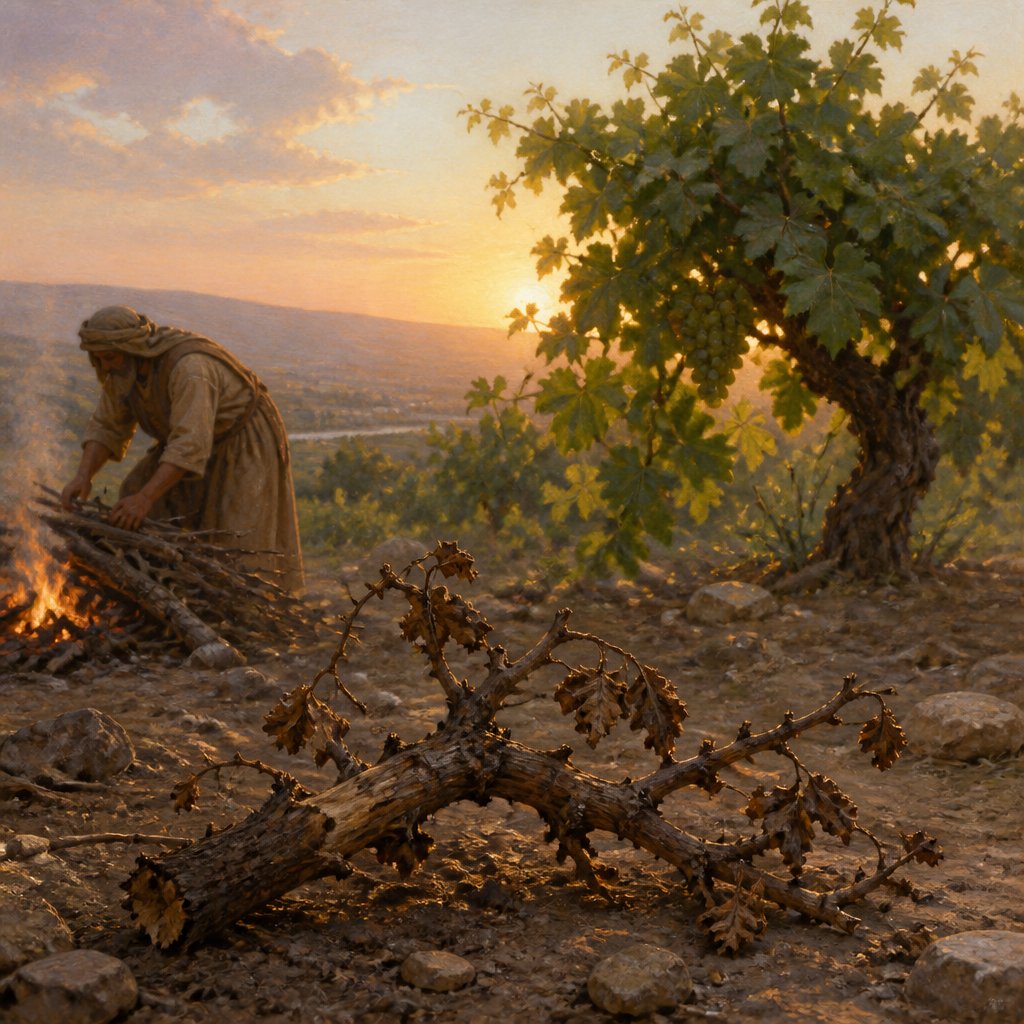
"I am the vine, ye are the branches: He that abideth in me, and I in him, the same bringeth forth much fruit: for without me ye can do nothing."
In John 15:6, Jesus uses the metaphor of a vine and its branches to illustrate the relationship between himself and his followers. This verse is part of Jesus's teachings during the Last Supper and is recorded in the Gospel of John. Throughout this passage, Jesus uses imagery and symbolism to convey profound spiritual truths to his disciples.
The central theme of this verse is the idea of spiritual connection and dependence on Jesus. He identifies himself as the vine, the source of nourishment and life, and his followers as the branches, which are entirely reliant on the vine for sustenance. Jesus emphasizes the importance of abiding in him, aligning oneself with his teachings and living in close fellowship with him. Only through this intimate connection can the disciples bear fruit, which symbolizes the outward manifestation of spiritual growth and productivity in their lives.
The imagery of the vine and branches is rich in symbolism. The vine is a symbol of strength, stability, and vitality, representing Jesus as the source of spiritual life and sustenance for his followers. The branches, on the other hand, are dependent on the vine for their existence, illustrating the disciples' reliance on Jesus for their spiritual nourishment and growth. This symbiotic relationship reflects the intimate connection that believers are called to have with Christ, drawing on his strength and vitality to flourish in their faith.
The concept of bearing fruit is significant in this verse, as it represents the outward expression of a believer's spiritual life. In the context of the vine and branches metaphor, fruit is the result of the branches abiding in the vine and receiving nourishment from it. In a spiritual sense, fruit can be interpreted as the evidence of a transformed life, characterized by virtues such as love, joy, peace, patience, kindness, goodness, faithfulness, gentleness, and self-control, as outlined in Galatians 5:22-23. By emphasizing the production of much fruit, Jesus highlights the transformative power of abiding in him, where believers not only experience personal growth but also positively impact the world around them.
The phrase "for without me ye can do nothing" reinforces the dependence of the branches on the vine. Jesus is unequivocal in asserting that apart from him, his followers are powerless and unable to bear fruit. This humbling statement serves as a reminder of the futility of attempting to live a meaningful and productive spiritual life in isolation from Christ. It emphasizes the need for constant reliance on Jesus and the importance of nurturing a deep, abiding relationship with him.
The context of this verse is essential for understanding its significance. John 15 is part of a larger discourse known as the "Farewell Discourse," where Jesus imparts his final teachings and words of encouragement to his disciples before his crucifixion. Throughout this discourse, Jesus addresses themes of love, obedience, and the role of the Holy Spirit in guiding and empowering believers. The vine and branches metaphor is used as a powerful illustration of the disciples' relationship with Jesus and their need to remain connected to him for spiritual vitality and growth.
In conclusion, John 15:6 encapsulates profound truths about the intimate relationship between Jesus and his followers. The imagery of the vine and branches serves as a potent reminder of the believer's dependence on Christ for spiritual sustenance and the transformative power of abiding in him. The emphasis on bearing much fruit underscores the tangible impact of a vibrant, connected life with Jesus, producing evidence of inner transformation and positively influencing the world around us. This verse offers a compelling invitation to cultivate a deep, abiding relationship with Christ, recognizing that apart from him, we can do nothing.
Have questions about John 15:6?
Dive deeper into this scripture with Bible Chat — an AI-powered tool for exploring God's Word through conversation. Ask questions, get context, and grow in your understanding of the Bible.
Get Our Apps


John 15:6 Artwork
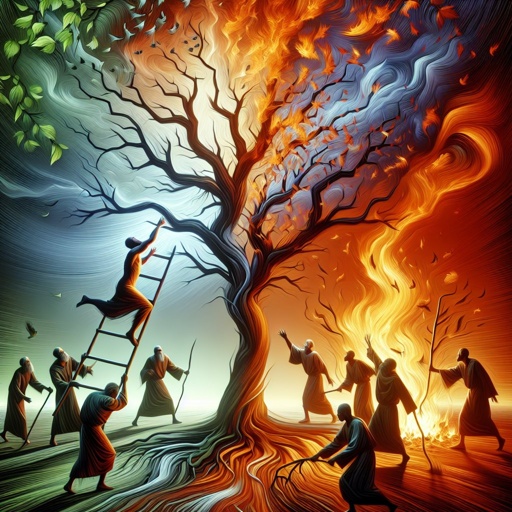
John 15:6 - "If a man abide not in me, he is cast forth as a branch, and is withered; and men gather them, and cast them into the fire, and they are burned."
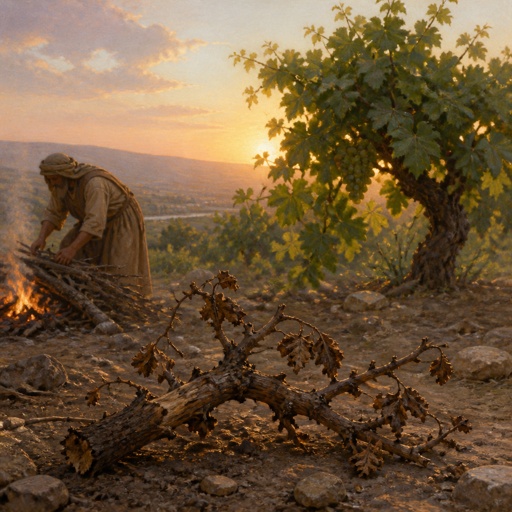
"If a man abide not in me, he is cast forth as a branch, and is withered; and men gather them, and cast them into the fire, and they are burned." - John 15:6

John 6:15 - "¶ When Jesus therefore perceived that they would come and take him by force, to make him a king, he departed again into a mountain himself alone."

John 15:7

John 15:7

John 15:5

John 15:5

John 1:6 - "¶ There was a man sent from God, whose name was John."

John 15 The Vine

John 6:63

John 6:63

John 6:63

John 6:63

John 15:26 NLT

John 14:15-21

John 15:1-8

John 15:9-10

John 21:15-19

John 15:9-10
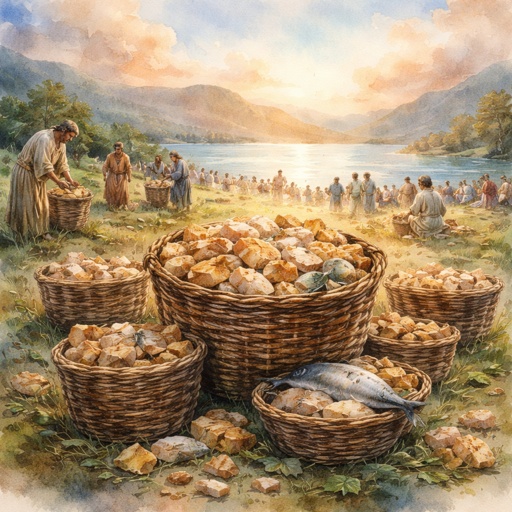
John 6:12

John 6:40

John 21:6

John 14:6

John 21:6

John 6:16

John 6:37

John 21:6

John 6:40

John 21:6

John 6:8-9