What does John 15:11 mean?
“These things have I spoken unto you, that my joy might remain in you, and that your joy might be full.” — John 15:11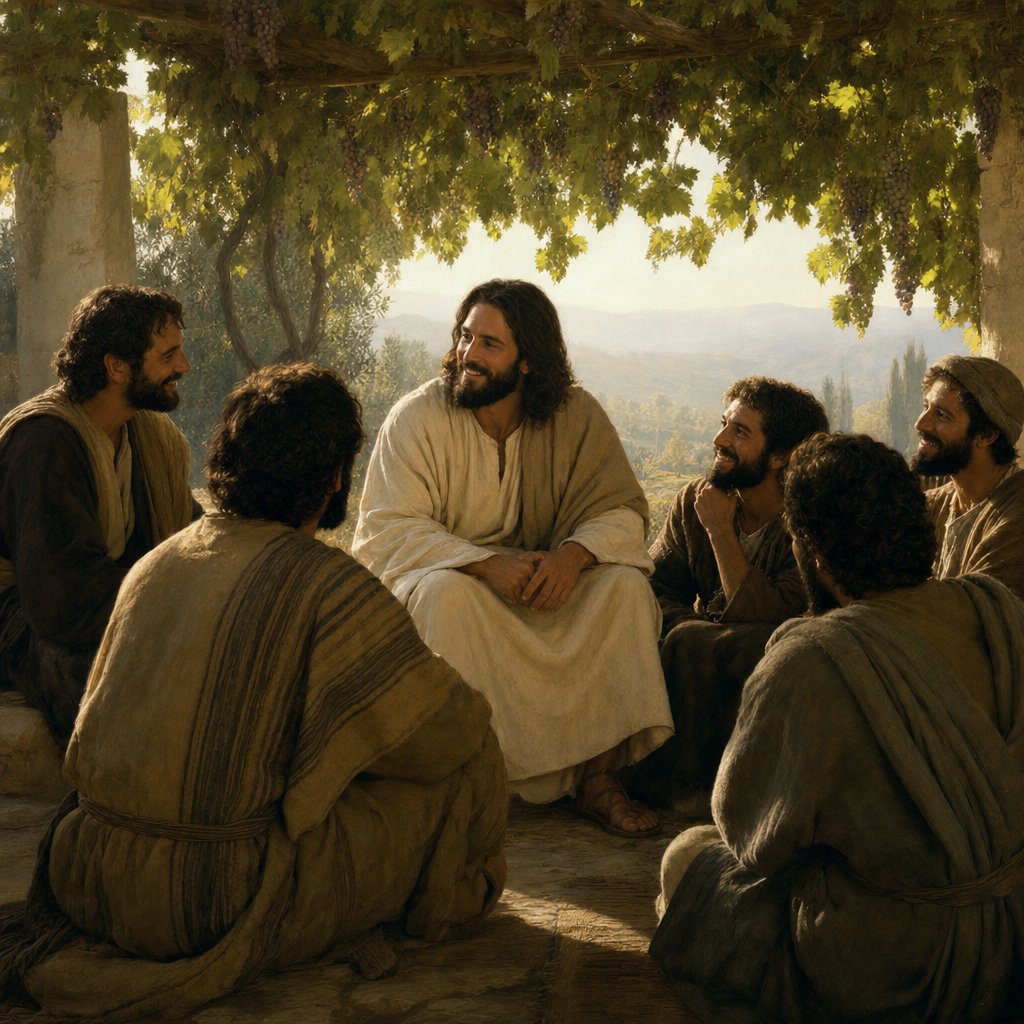
“These things have I spoken unto you, that my joy might remain in you, and that your joy might be full.” (John 15:11, KJV)
In John 15:11 Jesus explains the purpose of what he has just been teaching: his words are not merely instructions for duty, but a path into a certain kind of joy—his own joy—settled, abiding, and brought to completeness in the lives of his disciples. The verse gathers up the whole movement of John 15:1–10 and states its intended outcome. The chapter has been speaking in the language of life and relationship: the vine and the branches, the Father as the husbandman, the necessity of abiding, the pruning that increases fruitfulness, the call to keep Christ’s commandments, and the assurance that the disciple’s fruit-bearing life is not self-made but flows from union with Christ. “These things” refers to that entire teaching. Jesus is saying that the goal of abiding, and the goal of obedience growing out of love, is not spiritual austerity for its own sake, but the reception of a joy that comes from communion with him.
The context is intimate and solemn. Jesus is speaking to his own in the shadow of his betrayal and approaching death, yet he speaks of joy. That contrast is part of the verse’s weight. The joy he promises is not fragile optimism depending on outward ease, because he is promising it precisely when outward circumstances are about to become painful and confusing for the disciples. His “joy” is the joy that belongs to him as the Son who abides in the Father’s love and keeps the Father’s commandments, as he has just said: “As the Father hath loved me, so have I loved you: continue ye in my love.” (John 15:9, KJV) The joy in view, then, is rooted in love and obedience within a living relationship. It is not the joy of getting one’s way, but the joy of belonging, of being kept, of being made fruitful by another’s life.
The verse turns on the word “remain,” which matches the repeated command and promise of the chapter: “Abide in me.” (John 15:4, KJV) In the symbolism of the vine, the branch has no independent life; its fruitfulness and vitality are the result of remaining in living connection. Jesus applies that imagery to joy. His joy “remaining” in them suggests something enduring and settled, not a passing feeling. Just as sap flows from vine to branch as long as the branch abides, so joy flows from Christ into the disciple as the disciple abides in Christ’s love. This is joy as a spiritual fruit of union, not a reward earned at the end of obedience, but a shared life that expresses itself as joy even as it bears fruit.
At the same time, John 15 does not separate joy from obedience; it connects them. Immediately before John 15:11 Jesus says, “If ye keep my commandments, ye shall abide in my love; even as I have kept my Father’s commandments, and abide in his love.” (John 15:10, KJV) The significance is that obedience is presented not as a cold legal transaction, but as the shape that abiding love takes in real life. Jesus is not teaching that his disciples secure God’s love by keeping commandments; he is teaching that keeping his commandments is the way they continue, live, and remain in that love. In that lived communion, joy is preserved and deepened. The commandment-keeping of the disciple corresponds to the commandment-keeping of the Son, and the promised joy corresponds to the Son’s own joy. The disciple’s joy is not separate from Christ; it is participation in what is true of him.
The phrase “that your joy might be full” carries the theme of completeness that runs through John’s Gospel. Fullness here is not mere intensity, as though joy were simply made louder; it is wholeness, the condition of joy reaching its intended measure. Jesus does not promise occasional relief from sorrow, but a joy brought to its proper end: joy that is made complete by remaining in him, by loving as he loves, by bearing fruit that glorifies the Father. In this sense, joy is tied to purpose. The branch that abides bears “much fruit” (John 15:5, KJV), and in that fruit-bearing the Father is glorified (John 15:8, KJV). The disciple’s life is not empty or aimless; it is gathered into God’s design, and that alignment produces a joy that is “full.”
There is also a quiet note of pastoral care in the verse. Jesus is preparing his disciples for the kind of pruning he has already described: the Father “purgeth” the fruitful branch “that it may bring forth more fruit.” (John 15:2, KJV) Pruning is cutting; it can feel like loss. John 15:11 helps interpret that painful symbolism by stating that Christ’s teaching aims at joy, not harm. The Father’s pruning and the Son’s commandments are not opposed to the disciple’s happiness; they are part of the way God brings the disciple into deeper life. The significance is that Christian joy is not the denial of hardship but the presence of Christ’s own settled gladness within hardship, sustained by abiding.
Finally, the verse highlights the authority and tenderness of Jesus’ speech. “These things have I spoken unto you” shows that joy is mediated through his word. In John 15, Christ’s words are not mere information; they are life-shaping speech that calls, commands, promises, and keeps. By speaking, he is planting something in them—truth that will hold them when emotions and circumstances shake. The joy he promises is therefore not vague; it is anchored in what he has said about the Father’s love, the necessity of abiding, the reality of fruit-bearing, and the intimate friendship he will soon describe. John 15:11 stands as a declaration that the end of Christ’s teaching is communion that lasts, love that remains, and joy that is made complete because it is, in the deepest sense, his joy shared with those who abide in him.
Get our apps


Artwork for John 15:11

John 15:11 - "These things have I spoken unto you, that my joy might remain in you, and that your joy might be full."
!["These things have I spoken unto you, that my joy might remain in you, and [that] your joy might be full." - John 15:11](https://media.bible.art/e212915e-16cc-4a65-bbac-56ba6439c2dd-thumbnail.jpg)
"These things have I spoken unto you, that my joy might remain in you, and [that] your joy might be full." - John 15:11
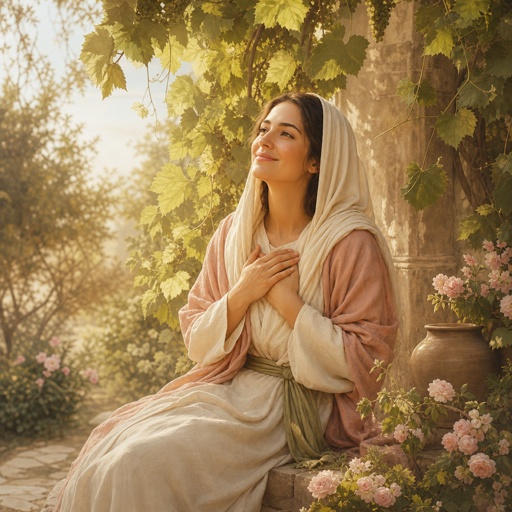
"These things have I spoken unto you, that my joy might remain in you, and that your joy might be full." - John 15:11
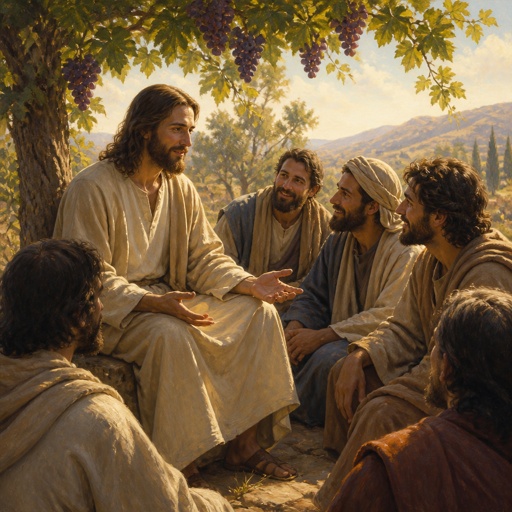
"These things have I spoken unto you, that my joy might remain in you, and that your joy might be full." - John 15:11

John 11:15 - "And I am glad for your sakes that I was not there, to the intent ye may believe; nevertheless let us go unto him."

John 15:5

John 15:26 NLT

John 1:1-5

John 1:1-5

John 15:7

John 15:7

John 15:5

John 15 The Vine

John (11:35) Jesus wept.

John (11:35) Jesus wept.

John (11:35) Jesus wept.

John 14:15-21

John 15:1-8

John 11:35

John 15.1-11

John 11:35

John (11:35) Jesus wept.

John (11:35) Jesus wept.

John (11:35) Jesus wept.

John 15:9-10

John 15:9-10

John 21:15-19

Exodus 4:1-5
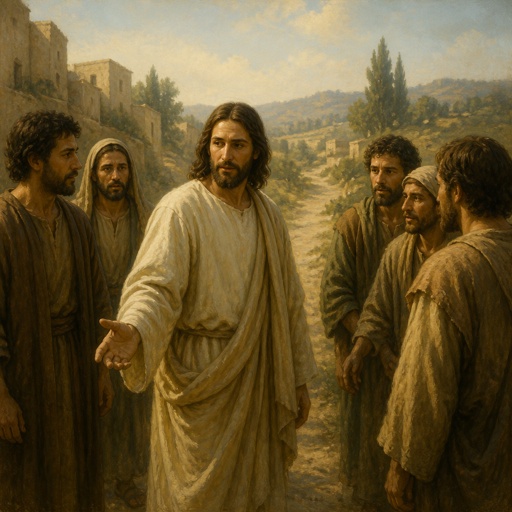
"And I am glad for your sakes that I was not there, to the intent ye may believe; nevertheless let us go unto him." - John 11:15

John (11:35) Jesus wept.