
John 15:23 (KJV) says, "He that hateth me hateth my Father also."
This verse is part of Jesus' teachings to his disciples in the Gospel of John. In this chapter, Jesus uses the metaphor of a vine and branches to describe the relationship between himself, his followers, and God. He emphasizes the importance of abiding in him, and the consequences of not doing so.
In the verse above, Jesus is warning his disciples about the potential consequences of their association with him. He is telling them that those who hate him also hate his Father. This is a bold statement, as it equates hatred towards Jesus with hatred towards God himself.
One of the main themes of this verse is the concept of hatred and its implications. In the context of this passage, Jesus is addressing the hostility and persecution that his followers may face for their belief in him. He is preparing them for the reality that not everyone will accept his message, and that some may even actively oppose it. By equating hatred towards himself with hatred towards God, Jesus is emphasizing the serious nature of the rejection of his message.
This verse also speaks to the unique relationship between Jesus and God the Father. In the gospel of John, Jesus repeatedly emphasizes his intimate connection to God, and his role as the divine Son. By stating that hatred towards him is equivalent to hatred towards the Father, Jesus is asserting his divine identity and the unity of the Godhead. This aligns with the broader theme of the Gospel of John, which emphasizes the deity of Jesus and his role in salvation.
Symbolically, this verse represents the division that Jesus' message may cause. It highlights the contrast between those who accept and those who reject Jesus, and the implications of these choices. The strong language used by Jesus also underscores the gravity of the decision to accept or reject him.
In a broader theological context, this verse also speaks to the concept of salvation and the exclusive nature of the Christian faith. It suggests that acceptance of Jesus is intimately linked to acceptance of God, and that rejection of Jesus carries serious consequences. This reflects the Christian belief in the uniqueness of Jesus as the sole means of reconciliation with God.
Overall, John 15:23 is a significant and weighty statement made by Jesus to his disciples. It emphasizes the potential consequences of accepting or rejecting his message, and underscores the unity between Jesus and God the Father. It serves as a reminder of the division and hostility that may result from allegiance to Jesus, and the exclusive nature of the Christian faith. This verse is a powerful reminder of the challenges and implications of following Jesus, and highlights the seriousness of the choice to accept or reject him.
Get our apps


Artwork for John 15:23

John 15:23 - "He that hateth me hateth my Father also."

"He that hateth me hateth my Father also." - John 15:23

John 15:7

John 3:23 - "¶ And John also was baptizing in Aenon near to Salim, because there was much water there: and they came, and were baptized."

John 14:23-29

John 15:7

John 14:23-29

John 14:23-29

John 10:23 - "And Jesus walked in the temple in Solomon's porch."

John 15:5

John 15:5

Exodus 15:23

Matthew 15:23

John 15 The Vine

Matthew 15:23

Exodus 15:23
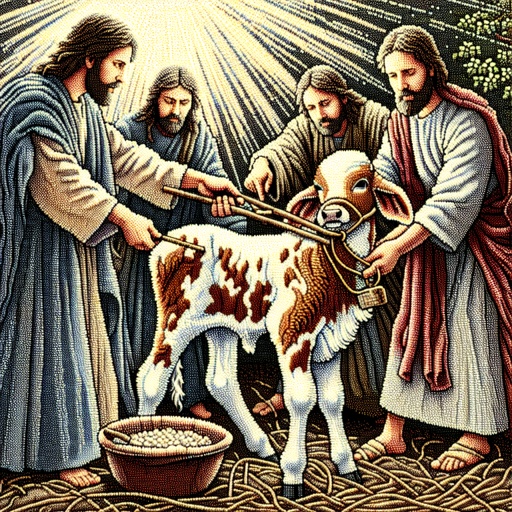
Luke 15:23

Genesis 23-15

Joshua 15:23 - "And Kedesh, and Hazor, and Ithnan,"

John 14:15-21

John 15:26 NLT

John 15:1-8

Leviticus 23:15-22

John 15:9-10

John 15:9-10

John 21:15-19

Ephesians 1:15-23

John 9:23 - "Therefore said his parents, He is of age; ask him."

John 13:23 - "Now there was leaning on Jesus' bosom one of his disciples, whom Jesus loved."

John 12:23 - "¶ And Jesus answered them, saying, The hour is come, that the Son of man should be glorified."