What does John 15:8 mean?
“Herein is my Father glorified, that ye bear much fruit; so shall ye be my disciples.” — John 15:8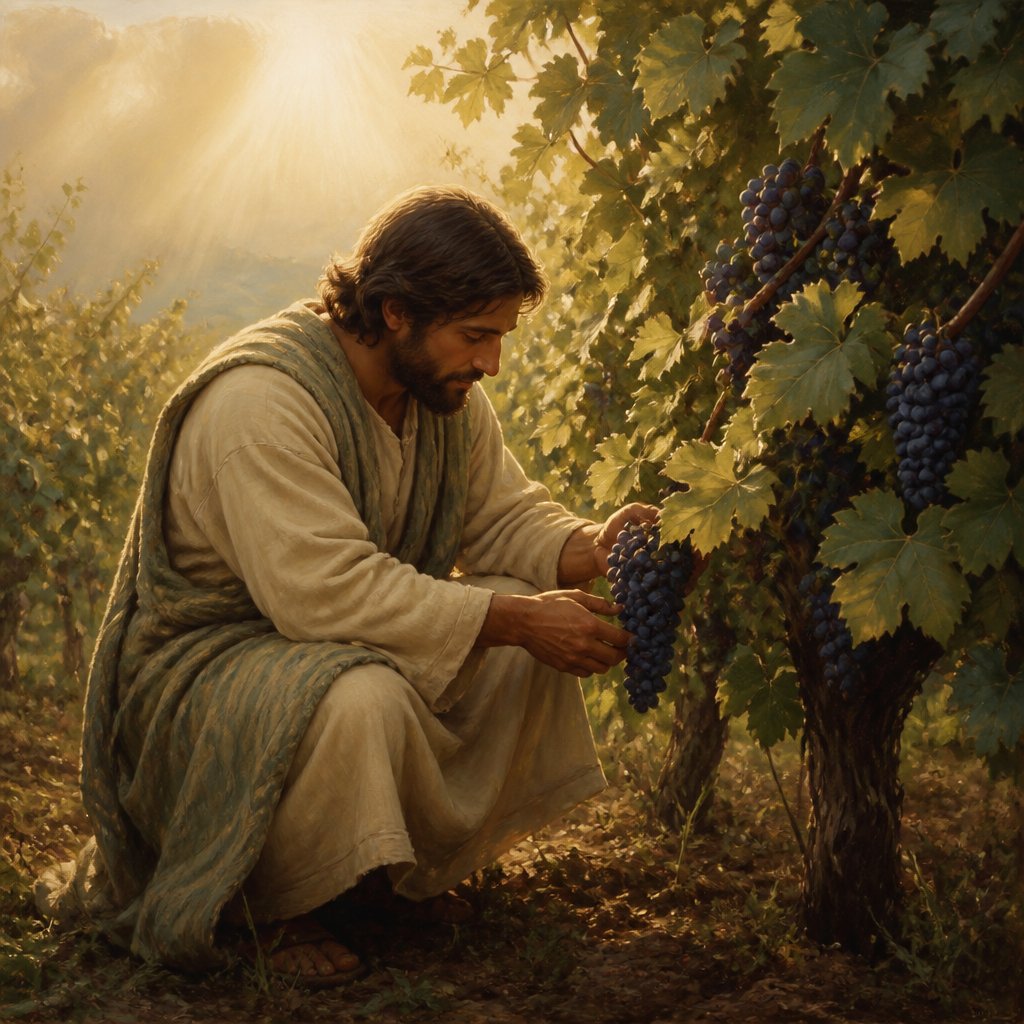
John 15:8 in the King James Version (KJV) of the Bible reads: "Herein is my Father glorified, that ye bear much fruit; so shall ye be my disciples."
This verse is part of Jesus' teaching to his disciples in the Gospel of John. In this particular passage, Jesus is using the image of a vine and branches to illustrate the close relationship between himself and his followers. He begins by stating, "I am the true vine, and my Father is the husbandman" (John 15:1). This metaphor signifies the importance of abiding in Christ, just as branches must remain connected to the vine in order to bear fruit.
The verse in question, John 15:8, holds significant theological implications. It conveys the idea that the ultimate purpose of discipleship is to bring glory to God the Father. The concept of "bearing much fruit" is central to this purpose. In spiritual terms, bearing fruit refers to producing the good works and virtues that are evidence of a life lived in accordance with Christ's teachings.
By glorifying the Father through bearing much fruit, the disciples demonstrate their obedience to Jesus' commandments and their commitment to following his example. This emphasizes the importance of living a life that reflects the character of Christ and brings honor to God. It also emphasizes the theme of discipleship and the responsibilities that come with it.
The image of "bearing much fruit" also symbolizes the transformative effect of abiding in Christ. Just as a healthy branch naturally produces fruit when it is connected to the vine, so too do disciples naturally exhibit the qualities of love, joy, peace, patience, kindness, goodness, faithfulness, gentleness, and self-control when they remain connected to Jesus. This idea is echoed in Galatians 5:22-23, which describes the fruits of the Spirit.
Furthermore, the notion of glorifying God in one's actions and character is a recurring theme throughout the New Testament. In 1 Corinthians 10:31, the apostle Paul writes, "So, whether you eat or drink, or whatever you do, do all to the glory of God." Similarly, in Colossians 3:17, he instructs, "And whatever you do, in word or deed, do everything in the name of the Lord Jesus, giving thanks to God the Father through him."
The broader context of John 15 provides additional insight into the significance of this verse. Jesus goes on to emphasize the importance of abiding in his love and keeping his commandments (John 15:9-10). He also warns that apart from him, the disciples can do nothing (John 15:5), reinforcing the idea of dependence on Christ for spiritual life and nourishment.
In summary, John 15:8 serves as a reminder of the central purpose of discipleship: to bring glory to God through a life characterized by the fruits of the Spirit. It underscores the intimate connection between abiding in Christ and bearing fruit, and it highlights the transformative nature of discipleship. Ultimately, this verse encapsulates the essence of Christian living and the call to reflect the character of Christ in all aspects of life.
Get our apps


Artwork for John 15:8

John 15:8 - "Herein is my Father glorified, that ye bear much fruit; so shall ye be my disciples."

"Herein is my Father glorified, that ye bear much fruit; so shall ye be my disciples." - John 15:8

John 15:1-8

John 8:15 - "Ye judge after the flesh; I judge no man."

"Ye judge after the flesh; I judge no man." - John 8:15

John 15:7

John 15:7

John 15:7-8 - "If ye abide in me, and my words abide in you, ye shall ask what ye will, and it shall be done unto you. Herein is my Father glorified, that ye bear much fruit; so shall ye be my disciples."

John 15:5

John 15:5

John 8

John 8

John 8:44

John 15 The Vine

John 8:44

John 8:44

John 8:8 - "And again he stooped down, and wrote on the ground."

John 14:15-21

John 15:26 NLT

John 8:12

John 15:9-10

John 15:9-10

John 21:15-19

John 8:12

John 8:12

John 8:12

John 8:12

John 3:5-8

John 6:8-9

John 3:5-8