What does John 16:30 mean?
“Now are we sure that thou knowest all things, and needest not that any man should ask thee: by this we believe that thou camest forth from God.” — John 16:30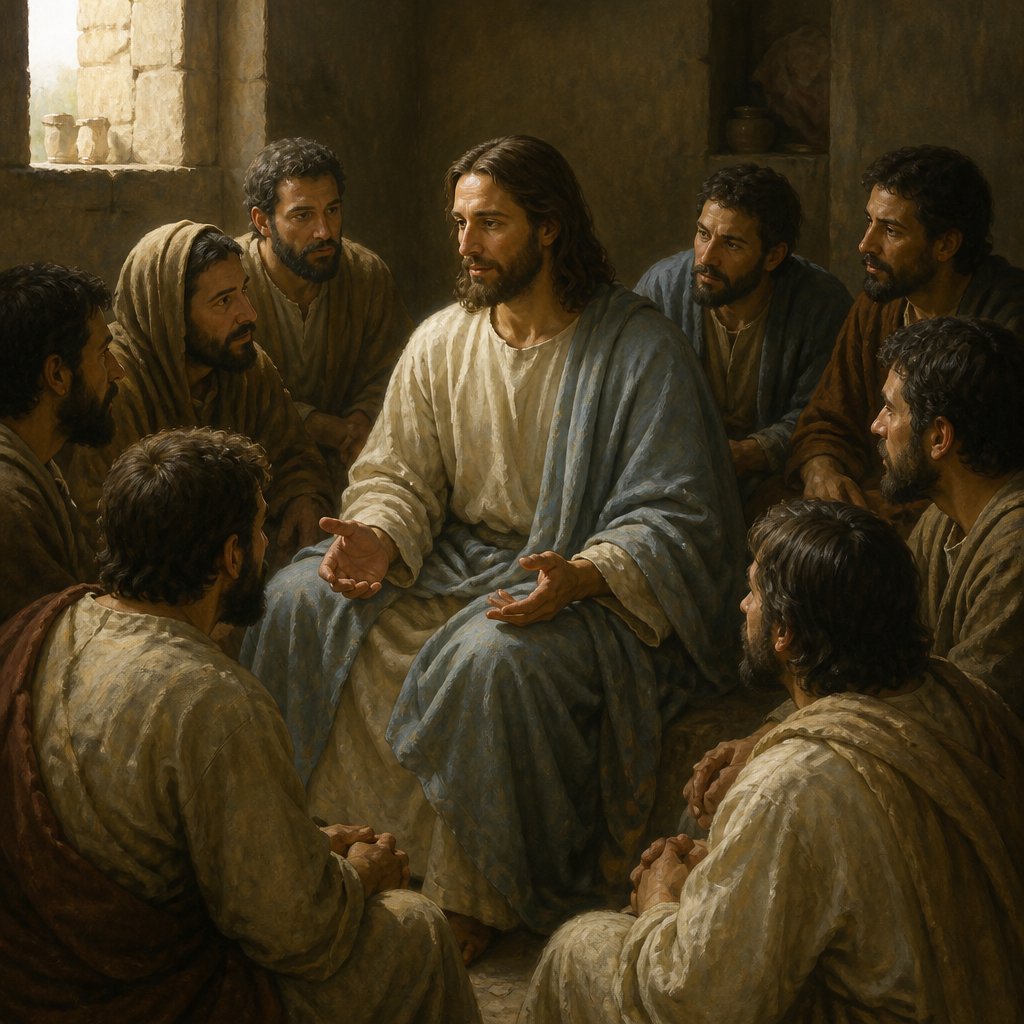
John 16:30 from the King James Version of the Bible (KJV) reads, "Now are we sure that thou knowest all things, and needest not that any man should ask thee: by this we believe that thou camest forth from God."
This verse is part of a larger discourse in the Gospel of John, where Jesus is speaking to his disciples before his crucifixion. Throughout this discourse, Jesus is preparing his disciples for his departure and attempting to strengthen their faith in him as the Son of God.
In this particular verse, the disciples are expressing their confidence in Jesus' knowledge and divine origin. They are acknowledging that they are now sure that Jesus knows all things and does not need anyone to ask him for information or guidance. This is a significant moment in the relationship between Jesus and his disciples, as it demonstrates their growing faith and understanding of who he is.
One of the themes present in this verse is the disciples' growing belief in Jesus as the Son of God. Throughout the Gospel of John, the disciples' faith in Jesus is tested and strengthened through various miracles and teachings. Here, we see a significant shift in their understanding and conviction that Jesus is indeed divine and has come forth from God. This theme of belief and faith is central to the Gospel of John, as the author repeatedly emphasizes the importance of believing in Jesus as the Son of God in order to receive eternal life.
The context of this verse is important in understanding its significance. Jesus has just finished explaining to his disciples that he will soon leave them and that they will face trials and persecution in his absence. In the midst of this uncertainty, the disciples are expressing their newfound certainty in Jesus as the source of all knowledge and wisdom. This moment of affirmation is a pivotal point in their journey of faith and demonstrates their growing understanding of Jesus' true identity.
Symbolism can also be found in this verse, as the disciples' belief in Jesus as the Son of God represents a larger theme of spiritual enlightenment and revelation. Through their interactions with Jesus and witnessing his miracles, the disciples have come to recognize his divinity and authority. This recognition symbolizes the process of spiritual growth and understanding that individuals experience as they come to know and believe in Jesus. It also serves as a symbol of the ultimate goal of all believers – to fully recognize and accept Jesus as the Son of God.
In conclusion, John 16:30 from the King James Version of the Bible (KJV) captures a significant moment in the disciples' journey of faith and their growing belief in Jesus as the Son of God. This verse conveys themes of belief and faith, the context of Jesus preparing his disciples for his departure, and symbolism in the disciples' recognition of Jesus' divine knowledge and origin. It serves as a powerful reminder of the importance of faith in Jesus as the Son of God and the transformative impact that belief can have on individuals' lives.
Get our apps


Artwork for John 16:30

John 16:30 - "Now are we sure that thou knowest all things, and needest not that any man should ask thee: by this we believe that thou camest forth from God."
"Now are we sure that thou knowest all things, and needest not that any man should ask thee: by this we believe that thou camest forth from God." - John 16:30

John 14:30

John 10:30

John 10:30

John 3:30

John 20:30-31

judges 16:30

John 10:30 - "I and my Father are one."

John 4:30 - "Then they went out of the city, and came unto him."

John 3:30 - "He must increase, but I must decrease."

John 8:30 - "As he spake these words, many believed on him."

Mark 11:30 - "The baptism of John, was it from heaven, or of men? answer me."

John 16:33

John 16:33

John 16:33

John 13:30 - "He then having received the sop went immediately out: and it was night."

Exodus 16:30 - "So the people rested on the seventh day."

John 16:33
John 16:33

John 16:33

John 3:16

Sampson's strength judges 16:30
John 3:16

John 4:16

John 3:16

john 3:16

John 3:16

John 3:16

John 4:16