What does John 18:15 mean?
“And Simon Peter followed Jesus, and so did another disciple: that disciple was known unto the high priest, and went in with Jesus into the palace of the high priest.” — John 18:15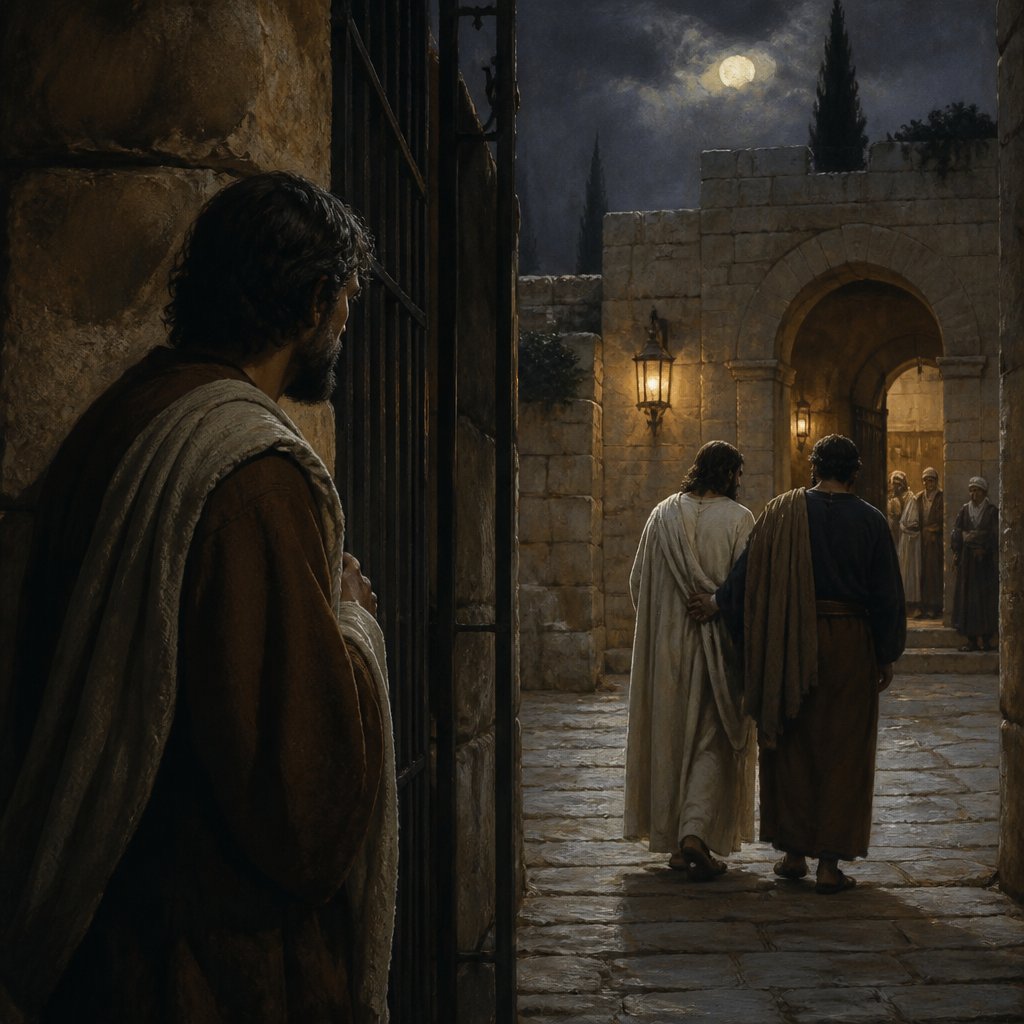
John 18:15 (KJV) states, "And Simon Peter followed Jesus, and so did another disciple: that disciple was known unto the high priest, and went in with Jesus into the palace of the high priest."
This verse comes from the Gospel of John, which is the fourth book of the New Testament. In this particular chapter, Jesus has just been arrested in the Garden of Gethsemane and is taken before the high priest for questioning. In this specific verse, Simon Peter is following Jesus, along with another disciple who is known to the high priest. The context here is crucial for understanding the significance of this verse.
There are several key themes and lessons that can be drawn from this verse. One theme that stands out is the idea of loyalty and discipleship. Despite the danger and uncertainty of the situation, Simon Peter follows Jesus to see what will happen to him. The other disciple also accompanies them, showing a similar loyalty and commitment to Jesus. This demonstrates the strong bond of fellowship and loyalty that existed among Jesus and his disciples, even in the face of imminent danger.
Furthermore, this verse also highlights the contrast between light and darkness. Jesus, the Light of the world, is being brought into the palace of the high priest, a place of darkness and opposition to the truth. This serves as a symbolic representation of the spiritual battle between good and evil, and the ongoing conflict between the kingdom of God and the kingdom of this world.
It is also worth noting the difference in the reactions of Simon Peter and the other disciple. While Simon Peter boldly follows Jesus, even into the high priest's palace, the other disciple is not named and is portrayed as being known to the high priest. This could be interpreted as a contrast between boldness and timidity, with Simon Peter showcasing a boldness and determination to stand by Jesus, while the other disciple's identity and behavior remain more ambiguous.
Additionally, the setting of the high priest's palace holds symbolic significance. The high priest was the religious authority of the Jewish people, and his palace represented the heart of the Jewish religious establishment. The fact that Jesus is brought into this place demonstrates the clash between his message of the Kingdom of God and the entrenched religious powers of the time. This confrontation ultimately leads to Jesus' trial and crucifixion, highlighting the ongoing tension between spiritual truth and religious tradition.
From a symbolic perspective, the palace of the high priest can also be seen as representing the worldly powers that stand in opposition to God's kingdom. By entering this place, Jesus demonstrates his willingness to confront and challenge the forces of darkness, ultimately leading to his sacrificial death and triumphant resurrection.
In conclusion, John 18:15 offers a rich and multifaceted exploration of themes such as loyalty, discipleship, spiritual warfare, and the clash between light and darkness. The verse provides valuable insights into the ongoing conflict between the kingdom of God and the powers of this world, as well as the unwavering commitment of Jesus' followers to stand by him in the face of adversity. It serves as a powerful reminder of the enduring relevance and significance of the Gospel message in the midst of a world filled with opposition and temporal powers.
Get our apps


Artwork for John 18:15

John 18:15 - "¶ And Simon Peter followed Jesus, and so did another disciple: that disciple was known unto the high priest, and went in with Jesus into the palace of the high priest."
"¶ And Simon Peter followed Jesus, and so did another disciple: that disciple was known unto the high priest, and went in with Jesus into the palace of the high priest." - John 18:15

John 15:18 - "If the world hate you, ye know that it hated me before it hated you."
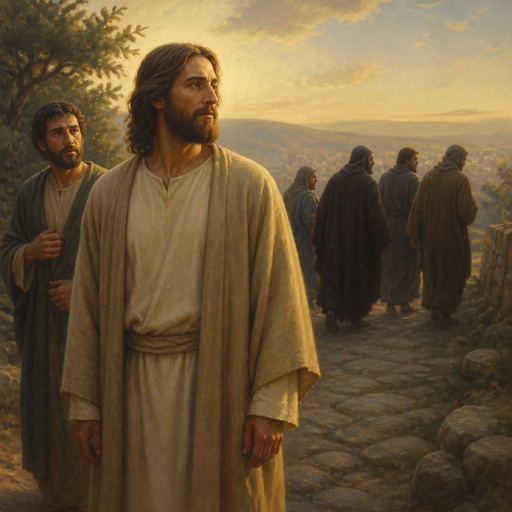
"If the world hate you, ye know that it hated me before it hated you." - John 15:18

John 7:17-18

John 7:17-18

John 15:7

John 15:18-19 - "If the world hates you, keep in mind that it hated me first. If you belonged to the world, it would love you as its own. As it is, you do not belong to the world, but I have chosen you out of the world. That is why the world hates you."

John 15:7

John 7:17-18

John 7:17-18

John 18:25

john 18:36

John 15:5

John 15:5

John 15 The Vine

1 John 5:18

1 John 4:18

1 John 4:18

John 15:26 NLT

John 14:15-21

John 15:1-8

John 15:9-10

John 21:15-19

John 15:9-10
Genesis 15:18

Genesis 18-15

John 18:27 - "Peter then denied again: and immediately the cock crew."

John 6:18 - "And the sea arose by reason of a great wind that blew."

Mark 2:18 - "And the disciples of John and of the Pharisees used to fast: and they come and say unto him, Why do the disciples of John and of the Pharisees fast, but thy disciples fast not?"