What does John 18:18 mean?
“And the servants and officers stood there, who had made a fire of coals; for it was cold: and they warmed themselves: and Peter stood with them, and warmed himself.” — John 18:18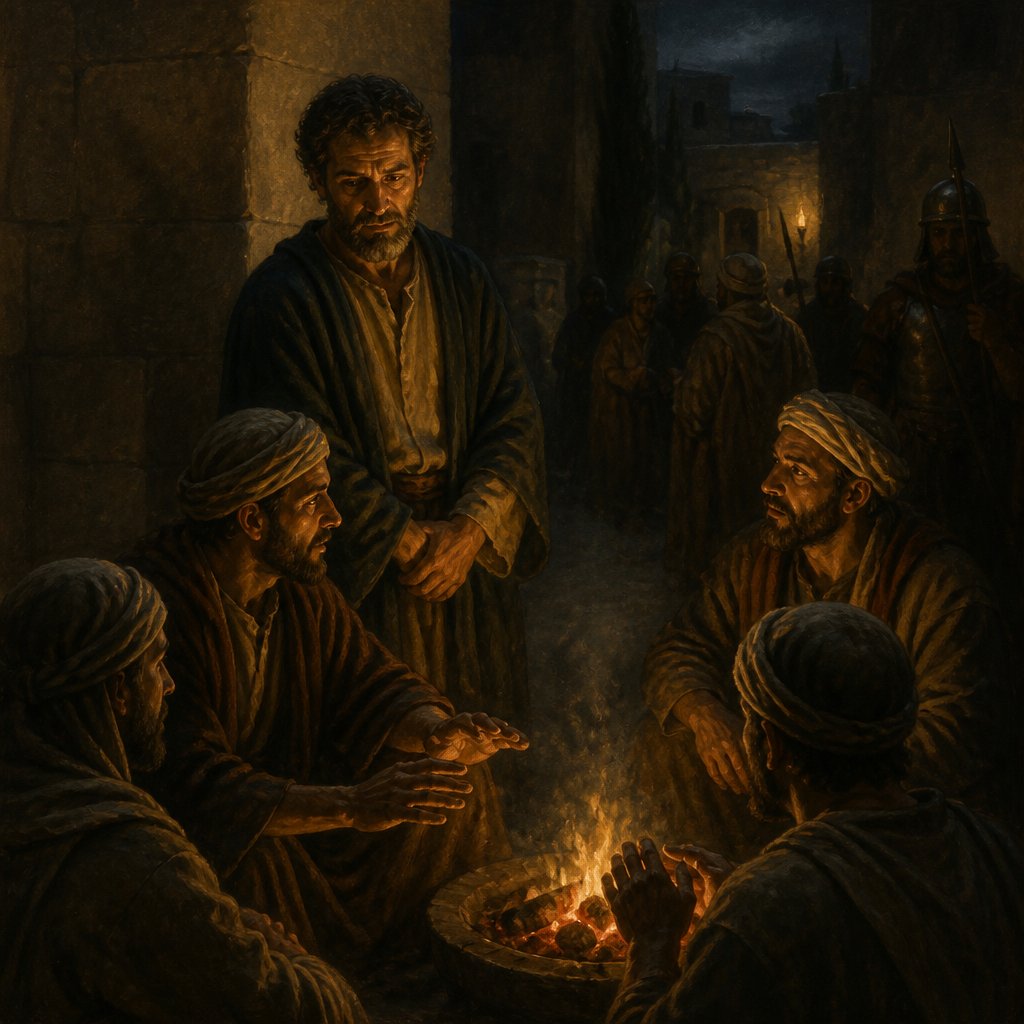
John 18:18 (KJV) reads, "And the servants and officers stood there, who had made a fire of coals; for it was cold: and they warmed themselves: and Peter stood with them, and warmed himself."
This verse comes in the midst of the dramatic events leading up to the crucifixion of Jesus Christ. It is a small, seemingly insignificant moment, but it holds great significance in the larger narrative of Jesus' trial and crucifixion.
In this verse, we see Peter standing with the servants and officers, warming himself by the fire of coals. This takes place after Peter had followed Jesus to the high priest's courtyard, where he witnessed Jesus being interrogated and eventually denied knowing Jesus three times, as predicted by Jesus himself earlier in the gospel of John.
The act of warming himself by the fire may seem innocuous, but it reflects Peter's inner turmoil and fear. It represents his desire to blend in and avoid drawing attention to himself as he followed Jesus at a distance, as described in the previous verses. In a moment of weakness, Peter succumbs to the fear of being associated with Jesus and chooses to prioritize his own safety and comfort over his allegiance to his Lord and Savior.
The larger themes at play in this verse include loyalty, courage, and the consequences of denying one's faith. The warmth of the fire symbolizes the temptation to conform to the world's expectations and seek comfort in the face of adversity. Peter's decision to warm himself by the fire mirrors the internal struggle faced by many believers who are challenged to stand firm in their faith, especially in the face of persecution or hardship.
The context of this verse is essential to understanding its significance. The events leading up to this moment in the gospel of John show Jesus being arrested in the garden of Gethsemane, taken before the high priest for questioning, and interrogated by Pilate. Throughout these events, Peter's loyalty to Jesus is tested, resulting in his eventual denial of Jesus. This moment by the fire serves as a poignant reminder of Peter's failure and the human tendency to prioritize personal comfort over faithfulness to Christ.
The warmth of the fire can also be seen as a symbol of the inner turmoil and moral conflict that Peter experiences. He is torn between his desire to remain faithful to Jesus and the fear of facing the same fate as Jesus. This inner struggle is reflective of the universal human experience of grappling with difficult decisions and the temptation to prioritize self-preservation over steadfast faithfulness.
The actions of the servants and officers in contrast to Peter serves to highlight the stark difference between their response and Peter's, as well as the importance of unwavering faith in the face of adversity. The servants and officers, though not explicitly mentioned, represent those who are complicit in the injustice of Jesus' trial and ultimately, his crucifixion. In contrast, Peter's denial and subsequent redemption through Jesus' forgiveness and restoration demonstrates the human capacity for repentance and forgiveness.
In conclusion, John 18:18 portrays a seemingly ordinary moment in the midst of the climactic events leading to Jesus' crucifixion. However, this verse holds deep meaning and significant symbolism, serving as a reminder of the human struggle to remain faithful in the face of persecution and the consequences of denying one's faith. It underscores the importance of unwavering loyalty to Christ and the universal human experience of moral conflict and the need for repentance and forgiveness.
Get our apps


Artwork for John 18:18

John 18:18 - "And the servants and officers stood there, who had made a fire of coals; for it was cold: and they warmed themselves: and Peter stood with them, and warmed himself."
"And the servants and officers stood there, who had made a fire of coals; for it was cold: and they warmed themselves: and Peter stood with them, and warmed himself." - John 18:18

John 7:17-18

John 7:17-18

John 7:17-18

John 7:17-18

John 18:25

john 18:36

1 John 5:18

1 John 4:18

1 John 4:18

John 6:18 - "And the sea arose by reason of a great wind that blew."

John 18:27 - "Peter then denied again: and immediately the cock crew."
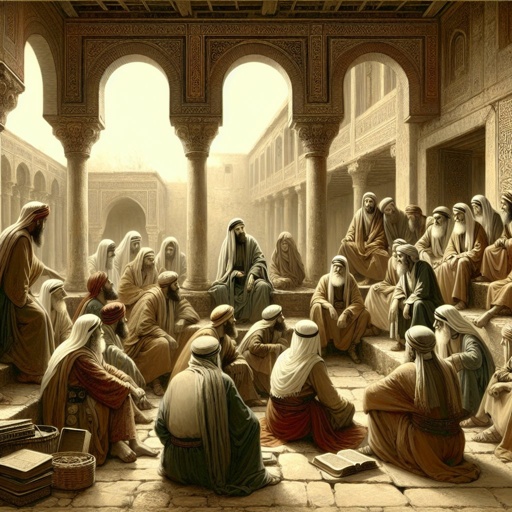
Luke 7:18 - "And the disciples of John shewed him of all these things."

John 14:18 - "I will not leave you comfortless: I will come to you."

John 18:12 - "Then the band and the captain and officers of the Jews took Jesus, and bound him,"

Joshua 1:8

Acts 1:8

Job 1:8

John 18:19 - "¶ The high priest then asked Jesus of his disciples, and of his doctrine."

ecclesiastes 12:1-8

Joshua 4:1-8

John 18:40 - "Then cried they all again, saying, Not this man, but Barabbas. Now Barabbas was a robber."
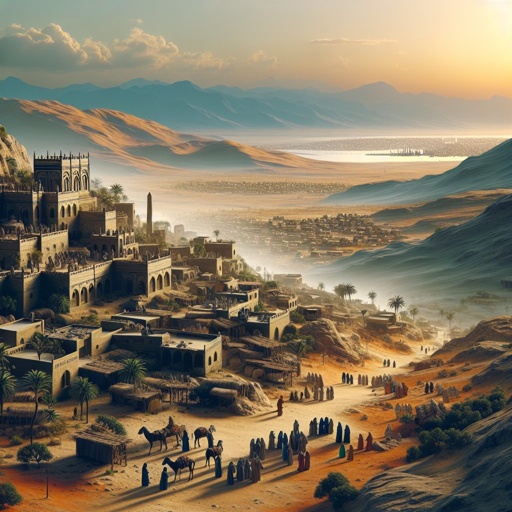
John 11:18 - "Now Bethany was nigh unto Jerusalem, about fifteen furlongs off:"

John 18:7 - "Then asked he them again, Whom seek ye? And they said, Jesus of Nazareth."
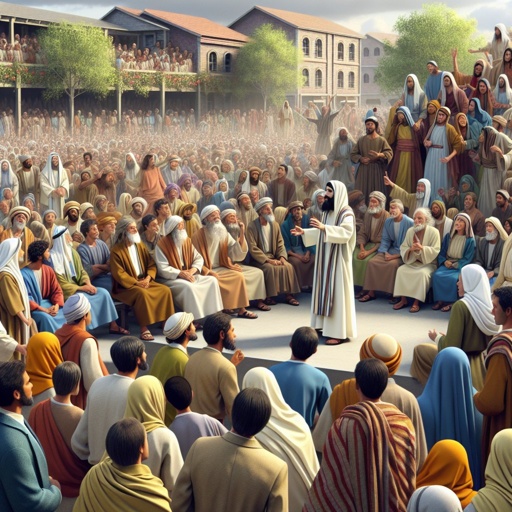
John 12:18 - "For this cause the people also met him, for that they heard that he had done this miracle."

Mark 2:18 - "And the disciples of John and of the Pharisees used to fast: and they come and say unto him, Why do the disciples of John and of the Pharisees fast, but thy disciples fast not?"

ecclesiastes 12:1-8

Exodus 27:1-8

1 tim 1:8