What does John 18:39 mean?
“But ye have a custom, that I should release unto you one at the passover: will ye therefore that I release unto you the King of the Jews?” — John 18:39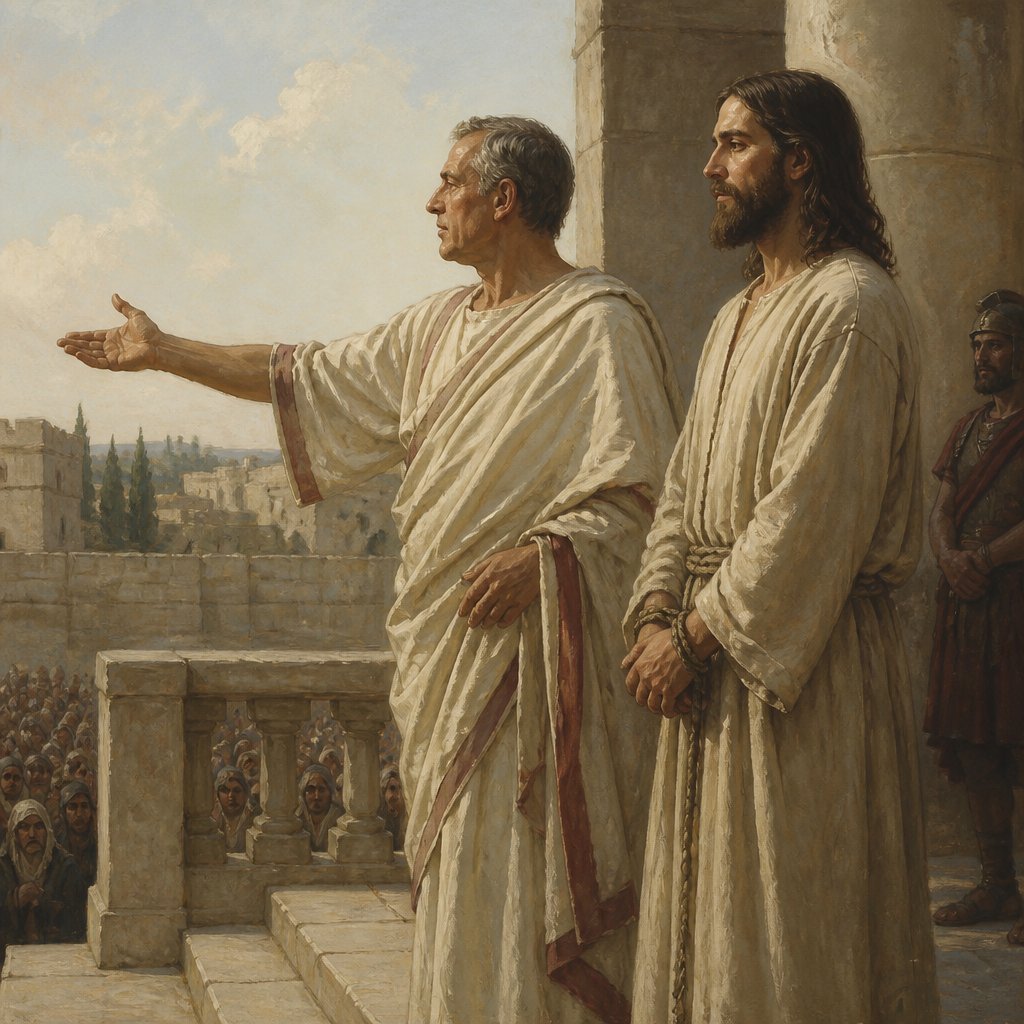
The Bible verse John 18:39 in the King James Version (KJV) reads:
"But ye have a custom, that I should release unto you one at the passover: will ye therefore that I release unto you the King of the Jews?"
This verse is a part of the conversation between Pontius Pilate, the Roman governor of Judea, and the crowd that had gathered to demand the release of a prisoner during the Passover. The verse represents a pivotal moment in the trial of Jesus Christ, as Pilate offers the crowd a choice between Jesus, whom he refers to as the "King of the Jews," and another prisoner.
The context of this verse is important in order to understand its full meaning. At this point in the Gospel of John, Jesus has already been arrested and is being brought before Pilate for trial. The Jewish religious leaders have accused Jesus of blasphemy and are seeking his crucifixion. However, as a Roman governor, Pilate does not find Jesus guilty of any crime worthy of death. Despite this, he is under pressure from the Jewish leaders and the crowd that has gathered, who are demanding Jesus' execution.
In offering to release a prisoner to the crowd, Pilate is trying to appease them and avoid a potentially volatile situation. However, the choice he presents to the crowd is significant. By referring to Jesus as the "King of the Jews," Pilate is making a political statement. The Jewish leaders had accused Jesus of claiming to be a king, which they saw as a threat to Roman authority. Pilate's question to the crowd about releasing the "King of the Jews" forces them to confront the issue of Jesus' identity and kingship.
The themes present in this verse are multifaceted and significant. One theme is the clash between earthly power and divine authority. Pilate, as the representative of Roman authority, holds the power to decide Jesus' fate. However, the true authority and kingship of Jesus, as the Son of God, transcend the limitations of human rulership. This clash of authority highlights the spiritual significance of Jesus' trial and impending crucifixion.
Another theme is the concept of choice and responsibility. Pilate presents the crowd with a choice, symbolizing the greater choice each individual must make regarding their beliefs about Jesus. The crowd's response to Pilate's question reflects their own beliefs and values. Similarly, each person must make a choice about their acceptance or rejection of Jesus as the "King of the Jews" and the Savior of the world.
The symbolism in this verse is rich and full of meaning. The offer to release a prisoner at the Passover reflects the Jewish custom of pardoning a prisoner during the festival. This symbolic act is a foreshadowing of the ultimate pardon and redemption offered through Jesus' death and resurrection. The choice between Jesus and the other prisoner also symbolizes the broader choice between faith in Christ and the ways of the world.
Furthermore, the title "King of the Jews" carries deep symbolic meaning. It points to Jesus' identity as the long-awaited Messiah, the fulfillment of Old Testament prophecies about a coming king from the line of David. This title also becomes a central theme during Jesus' crucifixion, as it is inscribed on the sign placed above his head on the cross.
In conclusion, John 18:39 in the King James Version is a pivotal verse in the trial of Jesus Christ, with profound themes, context, and symbolism. It invites us to consider the clash between earthly and divine authority, the weight of personal choice and responsibility, and the deep significance of Jesus' identity as the "King of the Jews." This verse challenges each of us to consider our own beliefs about Jesus and the gravity of his role as the Savior and King.
Get our apps


Artwork for John 18:39

John 18:39 - "But ye have a custom, that I should release unto you one at the passover: will ye therefore that I release unto you the King of the Jews?"
"But ye have a custom, that I should release unto you one at the passover: will ye therefore that I release unto you the King of the Jews?" - John 18:39

John 7:37-39

John 7:37-39

John 12:39 - "Therefore they could not believe, because that Esaias said again,"

John 10:39 - "Therefore they sought again to take him: but he escaped out of their hand,"

John 5:39 - "¶ Search the scriptures; for in them ye think ye have eternal life: and they are they which testify of me."

Job 39:18 - "What time she lifteth up herself on high, she scorneth the horse and his rider."
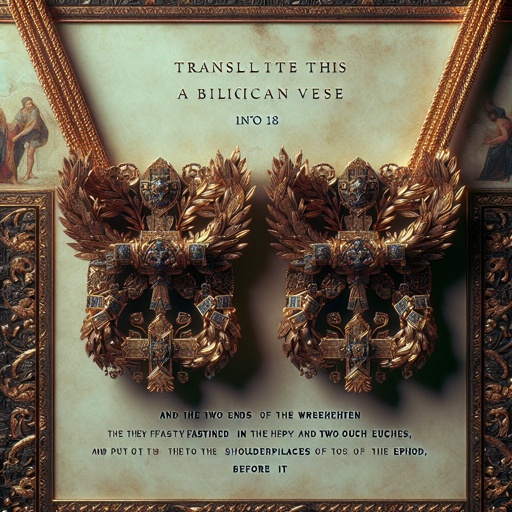
Exodus 39:18 - "And the two ends of the two wreathen chains they fastened in the two ouches, and put them on the shoulderpieces of the ephod, before it."

"Therefore they could not believe, because that Esaias said again," - John 12:39

John 4:39 - "¶ And many of the Samaritans of that city believed on him for the saying of the woman, which testified, He told me all that ever I did."

John 7:17-18

John 7:17-18

1 Kings 18:39 - "And when all the people saw it, they fell on their faces: and they said, The LORD, he is the God; the LORD, he is the God."

John 9:39 - "¶ And Jesus said, For judgment I am come into this world, that they which see not might see; and that they which see might be made blind."

John 7:39 - "(But this spake he of the Spirit, which they that believe on him should receive: for the Holy Ghost was not yet given; because that Jesus was not yet glorified.)"

John 19:39 - "And there came also Nicodemus, which at the first came to Jesus by night, and brought a mixture of myrrh and aloes, about an hundred pound weight."

John 1:39 - "He saith unto them, Come and see. They came and saw where he dwelt, and abode with him that day: for it was about the tenth hour."

Genesis 39:18 - "And it came to pass, as I lifted up my voice and cried, that he left his garment with me, and fled out."

John 7:17-18

John 7:17-18

John 18:25

john 18:36
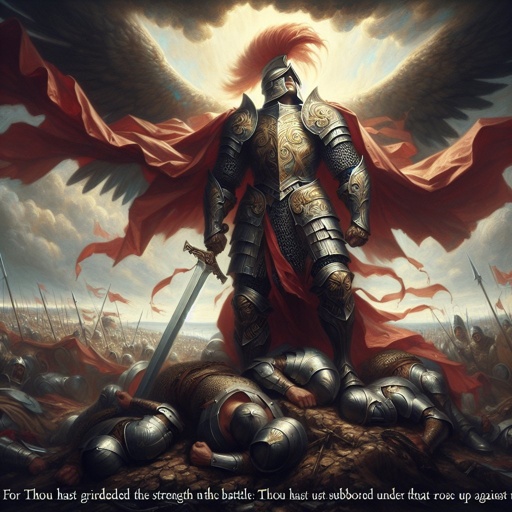
Psalms 18:39 - "For thou hast girded me with strength unto the battle: thou hast subdued under me those that rose up against me."

John 8:39 - "They answered and said unto him, Abraham is our father. Jesus saith unto them, If ye were Abraham's children, ye would do the works of Abraham."

John 6:39 - "And this is the Father's will which hath sent me, that of all which he hath given me I should lose nothing, but should raise it up again at the last day."

"Therefore they sought again to take him: but he escaped out of their hand," - John 10:39

1 John 5:18

1 John 4:18

1 John 4:18