What does John 19:10 mean?
“Then saith Pilate unto him, Speakest thou not unto me? knowest thou not that I have power to crucify thee, and have power to release thee?” — John 19:10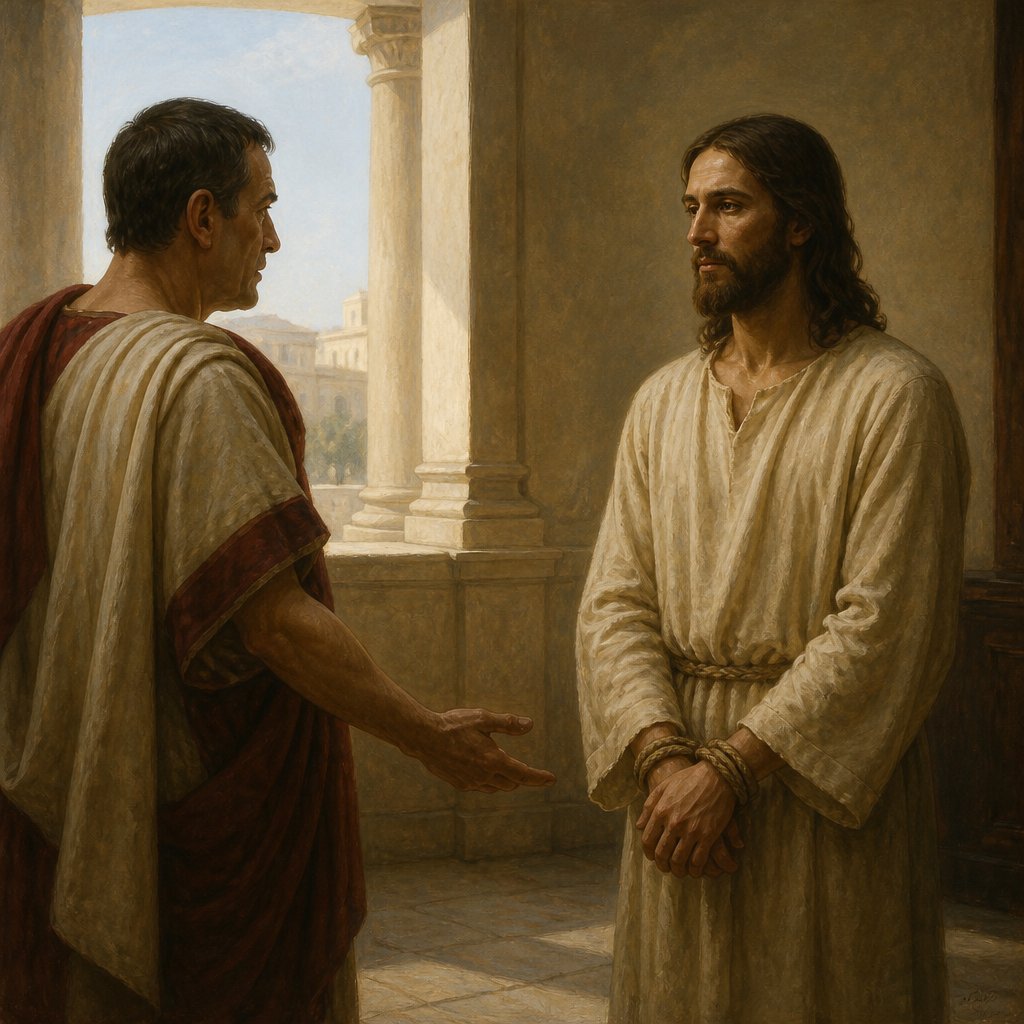
John 19:10, in the King James Version of the Bible, reads: "Then saith Pilate unto him, Speakest thou not unto me? knowest thou not that I have power to crucify thee, and have power to release thee?"
This verse occurs within the context of the trial and crucifixion of Jesus Christ. Pilate, the Roman governor, had been questioning Jesus about his identity and claims to kingship. In this particular verse, Pilate is expressing his frustration with Jesus' silence. He reminds Jesus of his authority to either condemn him to death by crucifixion or to release him.
There are several themes and lessons that can be drawn from this verse. One of the primary themes is the sovereignty of God and the fulfillment of His divine plan. Despite Pilate's assertion of his authority, Jesus knew that He was submitting to the will of the Father. This verse serves as a powerful reminder of Jesus' submission to the Father's plan for the redemption of humanity. It also underscores the fact that ultimately, God's purposes will prevail regardless of the actions of earthly rulers.
Another theme in this verse is the nature of power and authority. Pilate, as the representative of Roman power, believed that he held the ultimate authority over Jesus. However, from a Christian perspective, this verse highlights the contrast between worldly authority and the ultimate authority of God. Jesus, in his response, indicated that Pilate's authority was subject to a higher authority, namely God's divine purpose. This challenges the human tendency to place ultimate trust in earthly power and instead points to the ultimate authority and sovereignty of God.
Furthermore, this verse illustrates the concept of humility and submission. Jesus, despite being the King of kings, willingly submitted to the will of the Father and the unjust judgment of earthly rulers. This serves as a profound example for Christians to follow, demonstrating the humility and obedience that should characterize their lives.
Symbolically, this verse represents the clash between worldly power and spiritual truth. Pilate, as a symbol of the Roman Empire, represents the world's reliance on human strength and authority. On the other hand, Jesus represents the spiritual truth and the ultimate authority of God. This clash serves as a reminder that the values of God's kingdom are often at odds with the values of the world.
In a broader context, this verse speaks to the larger theme of the redemptive purpose of Jesus' crucifixion. Even in the face of human authority and power, Jesus willingly endured suffering and death in order to accomplish the salvation of humanity. This verse serves as a pivotal moment in the narrative of Jesus' crucifixion, highlighting the contrast between human authority and divine sovereignty.
In conclusion, John 19:10 is a powerful and thought-provoking verse that delves into the themes of submission to God's will, the nature of authority, and the clash between worldly power and spiritual truth. It serves as a poignant reminder of Jesus' humility and obedience, and the ultimate authority of God's sovereign plan. This verse continues to challenge and inspire Christians to live in accordance with the values of God's kingdom, even in the face of human authority and power.
Get our apps


Artwork for John 19:10

John 19:10 - "Then saith Pilate unto him, Speakest thou not unto me? knowest thou not that I have power to crucify thee, and have power to release thee?"
"Then saith Pilate unto him, Speakest thou not unto me? knowest thou not that I have power to crucify thee, and have power to release thee?" - John 19:10

John 10:19 - "¶ There was a division therefore again among the Jews for these sayings."
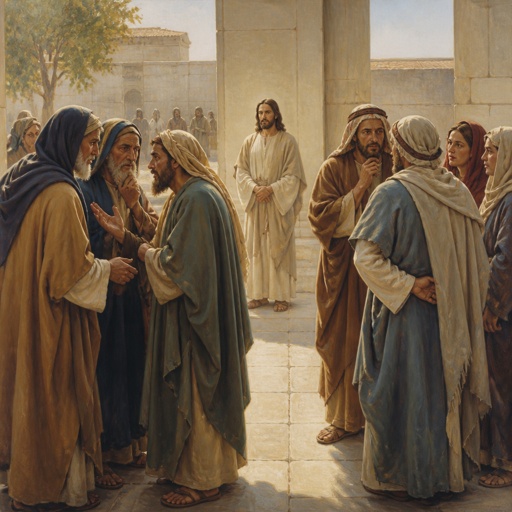
"¶ There was a division therefore again among the Jews for these sayings." - John 10:19

John 10:10

John 10:10

John 10:10

John 10:10

John 10:10

John 10:10

John 10:10

John 19:38

John 19:1

John 19:19 - "¶ And Pilate wrote a title, and put it on the cross. And the writing was, JESUS OF NAZARETH THE KING OF THE JEWS."

John 17.6-19

John 19:1-3

John 19:25-27

John 1:19 - "¶ And this is the record of John, when the Jews sent priests and Levites from Jerusalem to ask him, Who art thou?"

John 19:25-27

John 19:26-27

John 21:15-19

John 10:41 - "And many resorted unto him, and said, John did no miracle: but all things that John spake of this man were true."

John 10:30
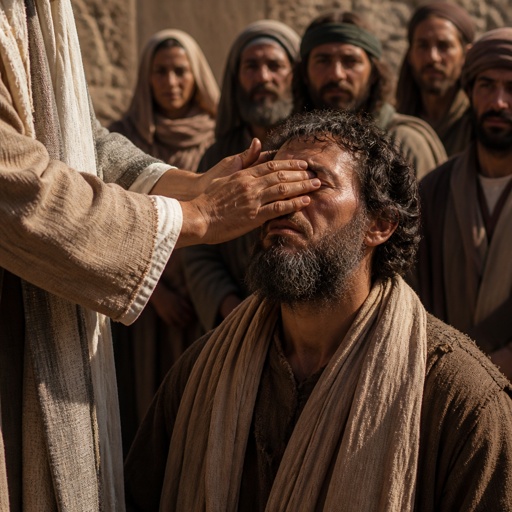
John 9:10

John 10:30

John 10:9

John 10:9

John 10:9

Luke 10:18-19

Luke 10:18-19