What does John 1:16 mean?
“And of his fulness have all we received, and grace for grace.” — John 1:16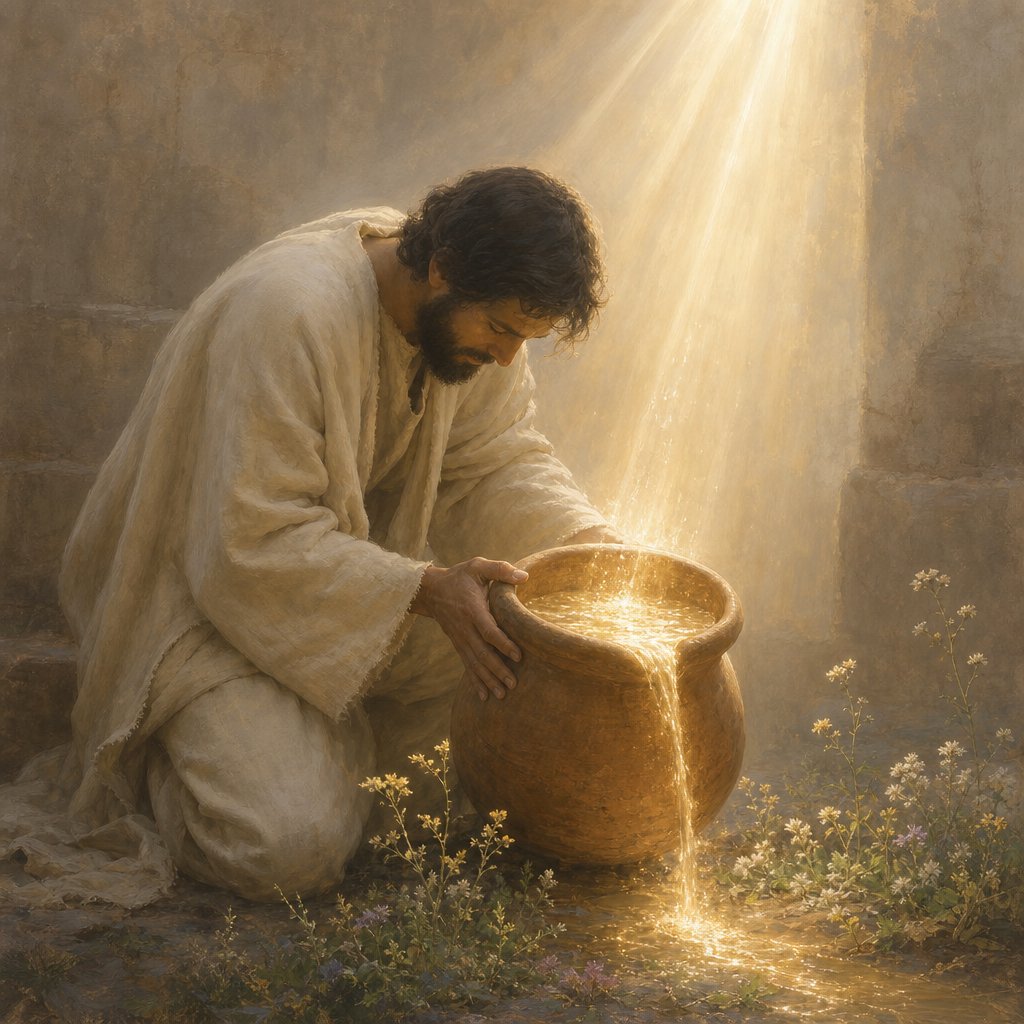
John 1:16 (KJV) states: "And of his fullness have all we received, and grace for grace."
This verse comes from the Gospel of John, which is the fourth book of the New Testament and the fourth Gospel in Christian tradition. The Gospel of John is distinct from the other three Gospels (Matthew, Mark, and Luke) in its focus on the divinity of Jesus and the deeper philosophical and theological implications of his life and teachings.
The verse “And of his fullness have all we received, and grace for grace” embodies many significant themes in the Gospel of John, including the themes of grace, abundance, and the divine nature of Jesus Christ. In this commentary, we will explore the meanings and implications of this verse in detail.
The concept of "fullness" in this verse can be understood as the complete and abundant nature of Jesus Christ. The fullness of Jesus encompasses his divinity, his teachings, his grace, and his role in the salvation of humanity. This fullness is available to all who believe in him, and through faith, they can receive his grace and blessings. This speaks to the universal nature of the Christian message – it is not limited to a select few, but is open to all who are willing to receive it.
The phrase "grace for grace" is significant in that it speaks to the continuous and unending nature of God's grace. It implies that as believers receive grace from God, they are also empowered to extend grace to others. Grace is central to the Christian faith, as it represents the unmerited favor and love that God bestows upon humanity. It is through grace that believers are forgiven, healed, and transformed, and this verse emphasizes the abundance of God's grace.
This verse also resonates with the broader context of the Gospel of John, which emphasizes the divine nature of Jesus Christ. In the opening verses of the Gospel, John proclaims that "In the beginning was the Word, and the Word was with God, and the Word was God" (John 1:1, KJV). This sets the tone for the rest of the Gospel, as it portrays Jesus as the divine Son of God who has come to reveal God's love and truth to the world.
The concept of "receiving" in this verse implies an active, intentional act on the part of believers. It suggests that the fullness and grace of Jesus are available, but they must be deliberately accepted and embraced. This aligns with the broader message of the Gospel of John, which calls for a personal, transformative encounter with Jesus Christ. Believers are invited to receive the fullness and grace of Jesus, and in doing so, they are invited into a deeper relationship with him.
In terms of symbolism, the "fullness" of Jesus can be seen as a symbol of abundance, completion, and sufficiency. This fullness is not lacking in any way and is available to all. The idea of "grace for grace" symbolizes the never-ending flow of God's grace, which is always available in every situation and circumstance.
Overall, John 1:16 (KJV) conveys a powerful message about the fullness and abundance of Jesus Christ and his grace. It speaks to the universal nature of God's love and the continuous outpouring of his grace upon believers. This verse invites believers to receive and embrace the fullness of Jesus, and in doing so, to experience the transformative power of his grace in their lives.
Get our apps


Artwork for John 1:16

John 1:16 - "And of his fulness have all we received, and grace for grace."
"And of his fulness have all we received, and grace for grace." - John 1:16

John 14:16

John 3:16

John 3:16

John 3:16

John 3:16

John 3-16

John 3:16

John 3:16

2 John 1:6 – "And this is love: that we walk in obedience to his commands."

2 John 1:6 – "And this is love: that we walk in obedience to his commands."

John 1:6 - "¶ There was a man sent from God, whose name was John."

John 16:1 - "These things have I spoken unto you, that ye should not be offended."

"¶ There was a man sent from God, whose name was John." - John 1:6

1 John 2:16 - "For all that is in the world, the lust of the flesh, and the lust of the eyes, and the pride of life, is not of the Father, but is of the world."

1 John 1:6 - "If we say that we have fellowship with him, and walk in darkness, we lie, and do not the truth:"

2 John 1:6 - "And this is love, that we walk after his commandments. This is the commandment, That, as ye have heard from the beginning, ye should walk in it."

John 16:33

John 16:33

John 16:33

3 John 1:6 - "Which have borne witness of thy charity before the church: whom if thou bring forward on their journey after a godly sort, thou shalt do well:"

1 John 4:16 - "And we have known and believed the love that God hath to us. God is love; and he that dwelleth in love dwelleth in God, and God in him."

John 16:33
John 16:33

John 16:33

John 3:16

Juan 5, 1-16
John 3:16

John 4:16