What does John 1:18 mean?
“No man hath seen God at any time; the only begotten Son, which is in the bosom of the Father, he hath declared him.” — John 1:18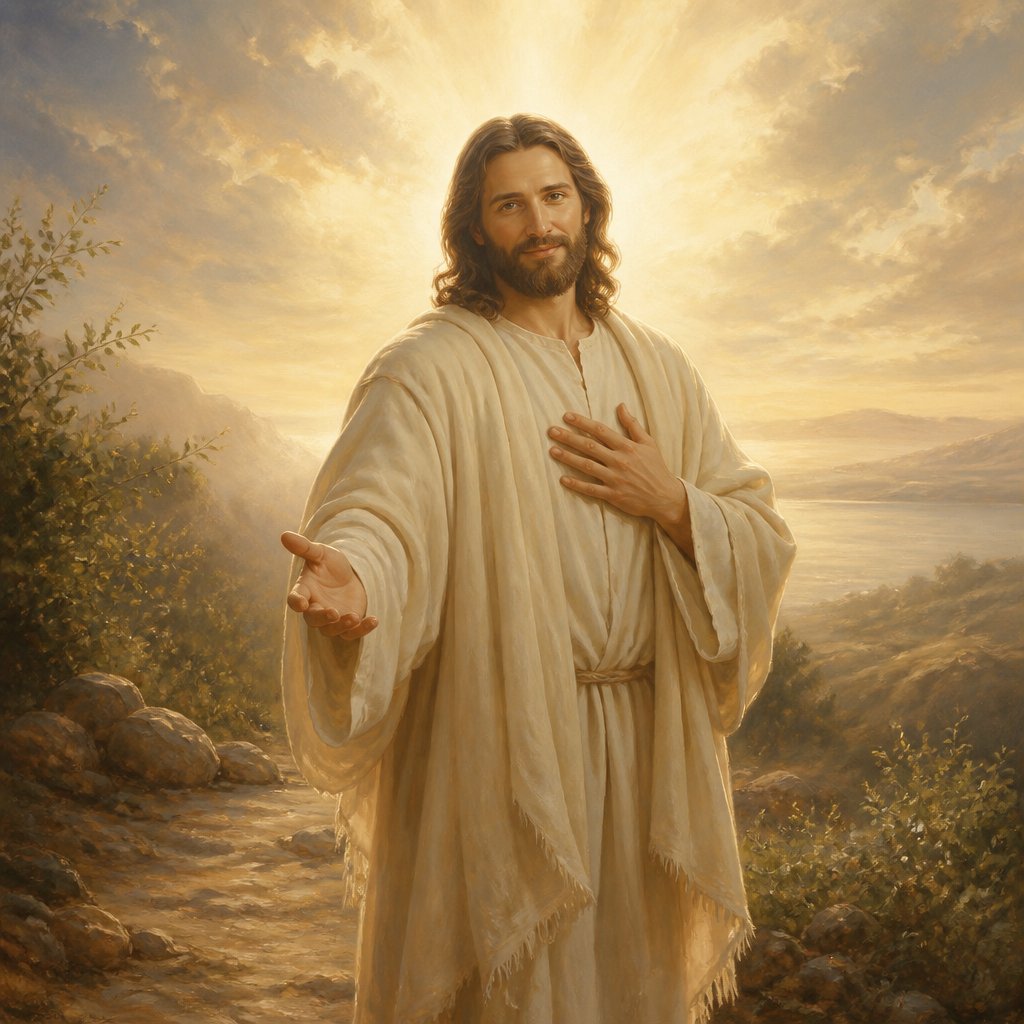
John 1:18 in the King James Version of the Bible reads, "No man hath seen God at any time, the only begotten Son, which is in the bosom of the Father, he hath declared him." This verse, found in the Gospel of John, is a powerful declaration of the unique relationship between God the Father and Jesus Christ, His Son.
The theme of revelation and the nature of God is a central focus of this verse. The first part of the verse, "No man hath seen God at any time," emphasizes the invisible and incomprehensible nature of God. The idea that no human has ever seen God serves to highlight the transcendence and majesty of the Divine. It underscores the fact that God is beyond human understanding and perception. This is a common theme throughout the Bible, with various passages emphasizing the untouchable and supernatural nature of God.
The next part of the verse, "the only begotten Son, which is in the bosom of the Father," speaks to the unique relationship between Jesus Christ and God the Father. The phrase "only begotten Son" highlights the special and singular nature of Jesus as the Son of God. This phrase is used to emphasize the one-of-a-kind relationship between Jesus and the Father. It is a term of endearment and exclusivity, indicating that Jesus is the one and only Son of God.
The phrase "which is in the bosom of the Father" further illustrates the intimate and close relationship between Jesus and God the Father. The image of being in the bosom of someone conveys a sense of closeness, protection, and love. It suggests a deep and affectionate bond between the Father and the Son. This image is significant in highlighting the personal and familial dynamics within the Godhead.
The final part of the verse, "he hath declared him," reveals the role of Jesus Christ as the revealer of God. Jesus is the one who makes God known to humanity. He is the embodiment of God's character and nature, and through his life, teachings, and ultimately his sacrificial death, he reveals the love, mercy, and truth of God to the world. This theme of revelation is crucial in understanding the mission and significance of Jesus Christ.
In the broader context of the Gospel of John, this verse is part of the prologue, which introduces and establishes the identity of Jesus Christ. The prologue sets the stage for the rest of the book, laying the foundation for understanding the divinity of Jesus and his role in salvation. Throughout the Gospel of John, the themes of the deity of Christ, salvation through faith in him, and the revelation of God's love are prominent.
Symbolically, this verse portrays Jesus as the light and revelation of God. The image of light is a recurring motif in the Gospel of John, representing the truth, wisdom, and salvation that Jesus brings to the world. By declaring that no one has seen God, but that Jesus, as the only begotten Son, has made Him known, the verse emphasizes the unique and central role of Jesus in mediating the knowledge of God to humanity.
In conclusion, John 1:18 in the King James Version of the Bible conveys profound truths about the nature of God and the unique role of Jesus Christ as the revealer of God to humanity. It highlights the incomprehensible nature of God, the intimate relationship between Jesus and the Father, and the central role of Jesus in making God known. This verse lays a firm foundation for understanding the identity and mission of Jesus Christ and underscores his significance in the plan of salvation. It is a key verse in the Gospel of John, encapsulating essential themes of revelation, divine relationship, and the nature of God.
Get our apps


Artwork for John 1:18
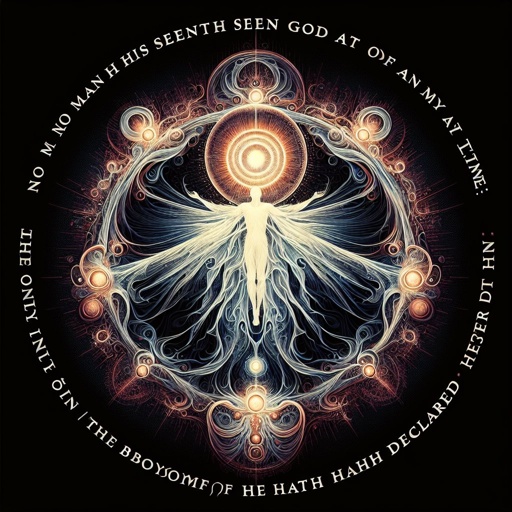
John 1:18 - "No man hath seen God at any time; the only begotten Son, which is in the bosom of the Father, he hath declared him."
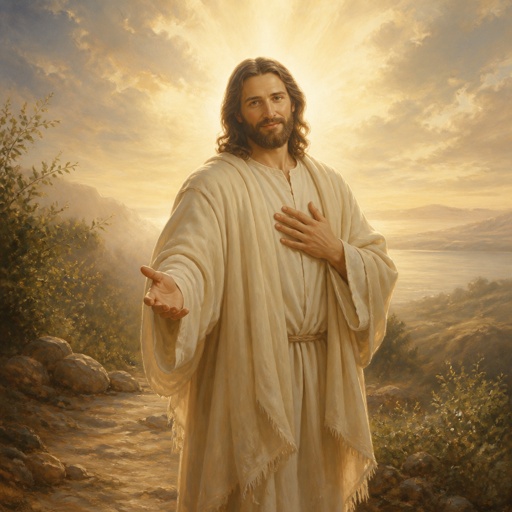
"No man hath seen God at any time; the only begotten Son, which is in the bosom of the Father, he hath declared him." - John 1:18

1 John 5:18

1 John 4:18

1 John 4:18

3 John 1:8 - "We therefore ought to receive such, that we might be fellowhelpers to the truth."

John 1:8 - "He was not that Light, but was sent to bear witness of that Light."

1 John 1:8 - "If we say that we have no sin, we deceive ourselves, and the truth is not in us."

2 John 1:8 - "Look to yourselves, that we lose not those things which we have wrought, but that we receive a full reward."

1 John 3:18 - "My little children, let us not love in word, neither in tongue; but in deed and in truth."

"He was not that Light, but was sent to bear witness of that Light." - John 1:8

"We therefore ought to receive such, that we might be fellowhelpers to the truth." - 3 John 1:8

1 John 5:18 - "We know that whosoever is born of God sinneth not; but he that is begotten of God keepeth himself, and that wicked one toucheth him not."

1 John 4:18 - "There is no fear in love; but perfect love casteth out fear: because fear hath torment. He that feareth is not made perfect in love."

John 7:17-18

John 7:17-18

John 7:17-18

John 7:17-18

John 18:25

john 18:36

1 John 2:18 - "Little children, it is the last time: and as ye have heard that antichrist shall come, even now are there many antichrists; whereby we know that it is the last time."

John 18:1 - "When Jesus had spoken these words, he went forth with his disciples over the brook Cedron, where was a garden, into the which he entered, and his disciples."

"There is no fear in love; but perfect love casteth out fear: because fear hath torment. He that feareth is not made perfect in love." - 1 John 4:18

"If we say that we have no sin, we deceive ourselves, and the truth is not in us." - 1 John 1:8

1 John 3:18-19 - "My little children, let us not love in word, neither in tongue; but in deed and in truth. And hereby we know that we are of the truth, and shall assure our hearts before him."

John 18:27 - "Peter then denied again: and immediately the cock crew."

John 6:18 - "And the sea arose by reason of a great wind that blew."

1 John 4:18-19 - "There is no fear in love; but perfect love casteth out fear: because fear hath torment. He that feareth is not made perfect in love. We love him, because he first loved us."

"Look to yourselves, that we lose not those things which we have wrought, but that we receive a full reward." - 2 John 1:8

Mark 2:18 - "And the disciples of John and of the Pharisees used to fast: and they come and say unto him, Why do the disciples of John and of the Pharisees fast, but thy disciples fast not?"