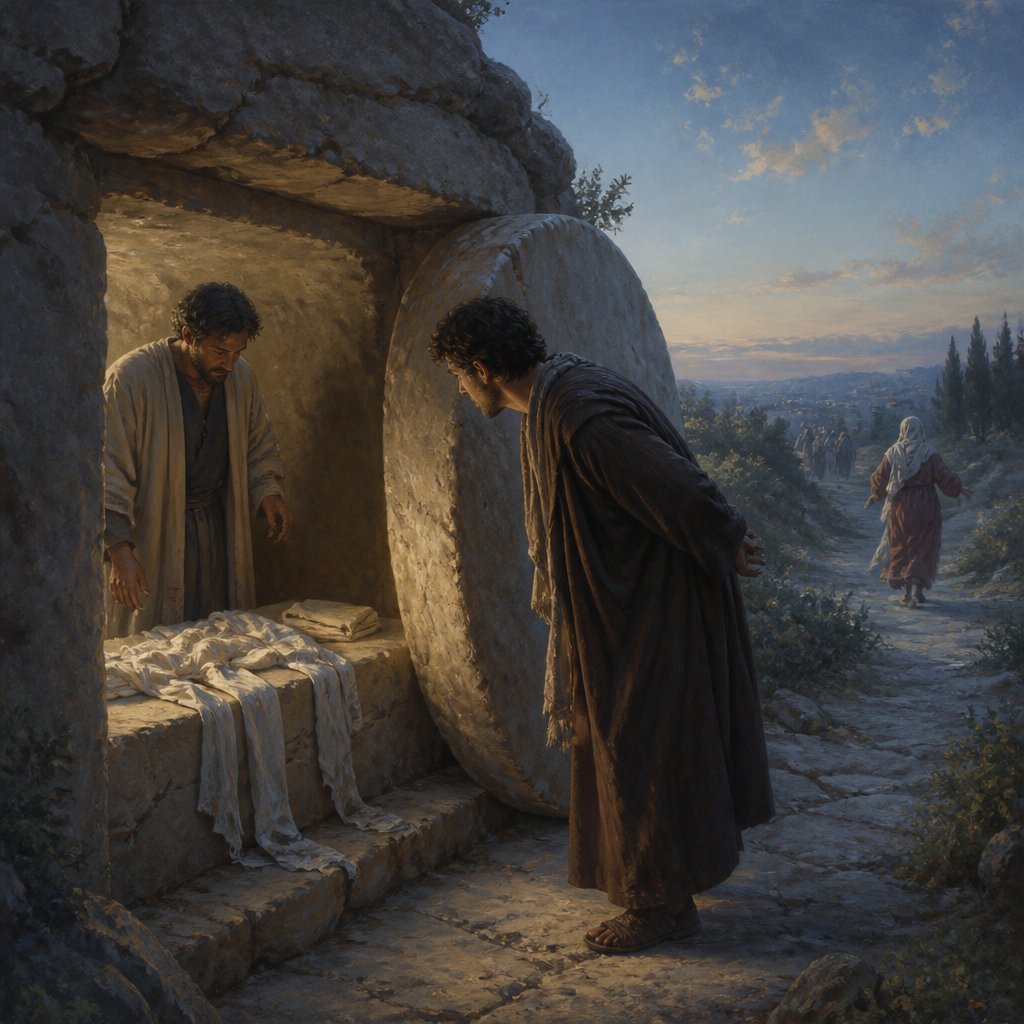
John 20:1-9 in the King James Version (KJV) reads:
1 The first day of the week cometh Mary Magdalene early, when it was yet dark, unto the sepulchre, and seeth the stone taken away from the sepulchre.
2 Then she runneth, and cometh to Simon Peter, and to the other disciple, whom Jesus loved, and saith unto them, They have taken away the Lord out of the sepulchre, and we know not where they have laid him.
3 Peter therefore went forth, and that other disciple, and came to the sepulchre.
4 So they ran both together: and the other disciple did outrun Peter, and came first to the sepulchre.
5 And he stooping down, and looking in, saw the linen clothes lying; yet went he not in.
6 Then cometh Simon Peter following him, and went into the sepulchre, and seeth the linen clothes lie,
7 And the napkin, that was about his head, not lying with the linen clothes, but wrapped together in a place by itself.
8 Then went in also that other disciple, which came first to the sepulchre, and he saw, and believed.
9 For as yet they knew not the scripture, that he must rise again from the dead.
This passage comes from the Gospel of John, which is the fourth book of the New Testament. The book of John is focused on presenting Jesus as the Son of God and showcasing his divine nature through various signs and miracles. This specific passage, which takes place after the crucifixion and burial of Jesus, is a significant moment in the narrative of the resurrection.
The passage begins with Mary Magdalene arriving at the tomb of Jesus early in the morning. She discovers that the stone covering the entrance to the tomb has been rolled away. In a state of distress, she immediately runs to find Peter and another disciple (most likely John, the author of the Gospel) to inform them of what she has seen. Upon hearing her report, Peter and the other disciple rush to the tomb to investigate.
The details provided in the passage create a vivid picture of the scene at the tomb. It is significant that Mary Magdalene is the first to witness the empty tomb, as it highlights the important role of women in the events of Jesus' resurrection. This aligns with the overarching theme of the inclusivity of the gospel and the value of all individuals in the eyes of God.
As Peter and the other disciple arrive at the tomb, the narrative emphasizes the sense of urgency and eagerness in their actions. The competitive race between the two disciples to reach the tomb first adds a human element to the story and serves as a symbolic representation of the disciples' yearning to encounter the risen Christ.
Upon reaching the tomb, the disciples observe the linen cloths that had been used to bury Jesus lying on the ground, with the cloth that had been around Jesus' head placed separately. This detail is a significant symbol of the resurrection, as it indicates that Jesus did not simply awaken from a deep sleep, leaving the burial cloths intact, but that he experienced a transformation that involved leaving the cloths behind.
After seeing this, the disciple whom Jesus loved (often understood to be John) believes and understands the significance of Jesus' resurrection. This moment of belief is a fundamental aspect of the Christian faith, as it represents the transition from doubt to faith in the miraculous power of Christ. Furthermore, the passage concludes by acknowledging that the disciples did not yet grasp the full extent of the Scriptures concerning the resurrection, foreshadowing the further revelations and understanding that would come with the appearance of the resurrected Jesus to his disciples.
Overall, John 20:1-9 encapsulates the foundational elements of the Christian faith, including the resurrection, the importance of belief, the significance of the role of women in bearing witness to the gospel, and the gradual unfolding of understanding regarding the fulfillment of Scripture through the life, death, and resurrection of Jesus Christ. This passage serves as a pivotal moment in the Gospel of John and continues to inspire and reaffirm the faith of believers in the power and victory of Jesus over death.
Get our apps


Artwork for John 20:1-9

John 20:1-9 - "Early on the first day of the week, while it was still dark, Mary Magdalene went to the tomb and saw that the stone had been removed from the entrance. So she came running to Simon Peter and the other disciple, the one Jesus loved, and said, "They have taken the Lord out of the tomb, and we don't know where they have put him!" So Peter and the other disciple started for the tomb. Both were running, but the other disciple outran Peter and reached the tomb first. He bent over and looked in at the strips of linen lying there but did not go in. Then Simon Peter came along behind him and went straight into the tomb. He saw the strips of linen lying there, as well as the cloth that had been wrapped around Jesus’ head. The cloth was still lying in its place, separate from the linen. Finally the other disciple, who had reached the tomb first, also went inside. He saw and believed. (They still did not understand from Scripture that Jesus had to rise from the dead.)"
"Early on the first day of the week, while it was still dark, Mary Magdalene went to the tomb and saw that the stone had been removed from the entrance. So she came running to Simon Peter and the other disciple, the one Jesus loved, and said, "They have taken the Lord out of the tomb, and we don't know where they have put him!" So Peter and the other disciple started for the tomb. Both were running, but the other disciple outran Peter and reached the tomb first. He bent over and looked in at the strips of linen lying there but did not go in. Then Simon Peter came along behind him and went straight into the tomb. He saw the strips of linen lying there, as well as the cloth that had been wrapped around Jesus’ head. The cloth was still lying in its place, separate from the linen. Finally the other disciple, who had reached the tomb first, also went inside. He saw and believed. (They still did not understand from Scripture that Jesus had to rise from the dead.)" - John 20:1-9

John 20:9 - "For as yet they knew not the scripture, that he must rise again from the dead."
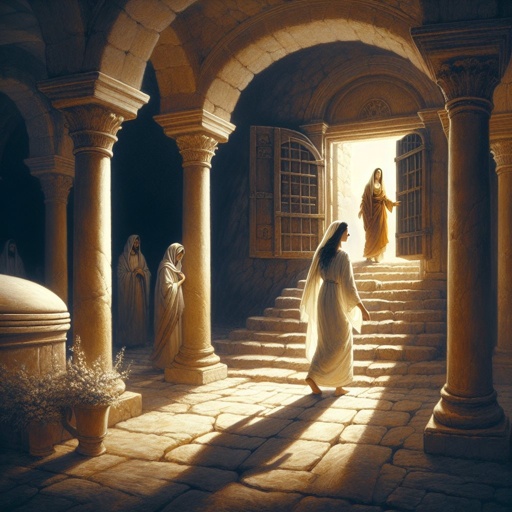
John 20:1 - "The first day of the week cometh Mary Magdalene early, when it was yet dark, unto the sepulchre, and seeth the stone taken away from the sepulchre."

John 9:20 - "His parents answered them and said, We know that this is our son, and that he was born blind:"

1 John 1:9

John 10:9

John 9:1-3

John 9:1-41
John 1:20 - "And he confessed, and denied not; but confessed, I am not the Christ."

Acts 9:1-20

Acts 9:1-20
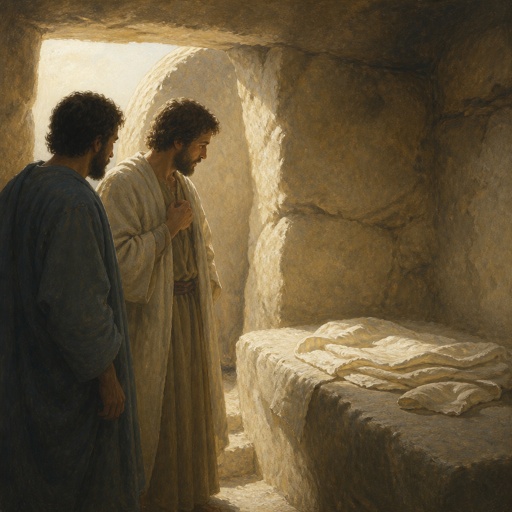
"For as yet they knew not the scripture, that he must rise again from the dead." - John 20:9

1 John 2:20 - "But ye have an unction from the Holy One, and ye know all things."

John 1:9 - "That was the true Light, which lighteth every man that cometh into the world."

1 John 3:20 - "For if our heart condemn us, God is greater than our heart, and knoweth all things."

John 9:1 - "And as Jesus passed by, he saw a man which was blind from his birth."
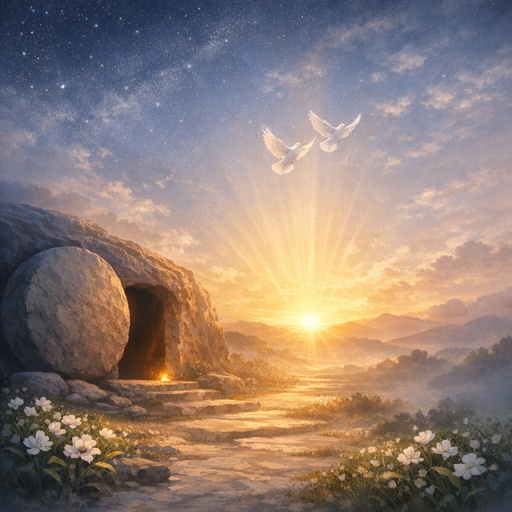
"The first day of the week cometh Mary Magdalene early, when it was yet dark, unto the sepulchre, and seeth the stone taken away from the sepulchre." - John 20:1

1 John 2:9 - "He that saith he is in the light, and hateth his brother, is in darkness even until now."

1 John 1:9 - "If we confess our sins, he is faithful and just to forgive us our sins, and to cleanse us from all unrighteousness."

1 Chronicles 9:20 - "And Phinehas the son of Eleazar was the ruler over them in time past, and the LORD was with him."

Mark 1:9 - "And it came to pass in those days, that Jesus came from Nazareth of Galilee, and was baptized of John in Jordan."
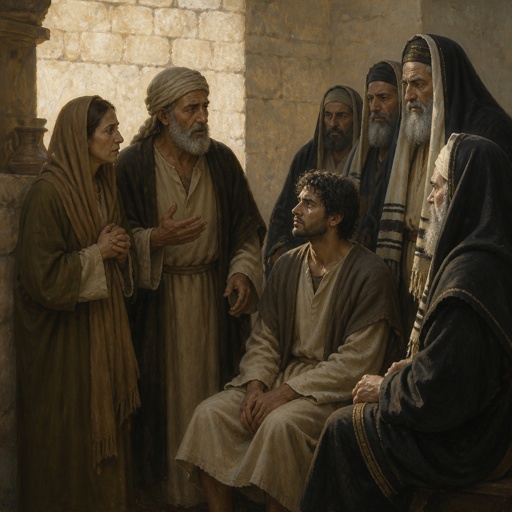
"His parents answered them and said, We know that this is our son, and that he was born blind:" - John 9:20
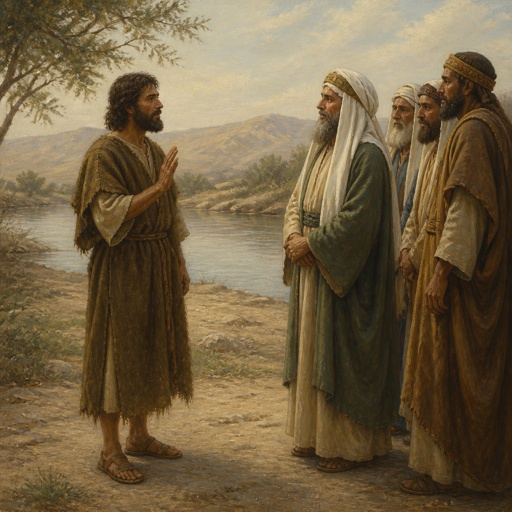
"And he confessed, and denied not; but confessed, I am not the Christ." - John 1:20

3 John 1:9 - "I wrote unto the church: but Diotrephes, who loveth to have the preeminence among them, receiveth us not."
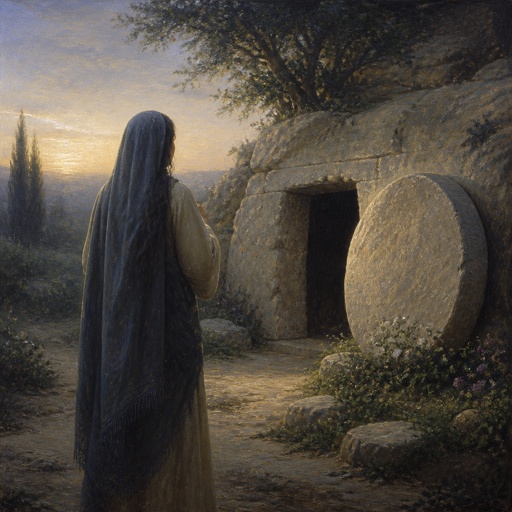
"The first day of the week cometh Mary Magdalene early, when it was yet dark, unto the sepulchre, and seeth the stone taken away from the sepulchre." - John 20:1

John 20:21

1 Kings 9:20 - "And all the people that were left of the Amorites, Hittites, Perizzites, Hivites, and Jebusites, which were not of the children of Israel,"

1 John 5:9 - "If we receive the witness of men, the witness of God is greater: for this is the witness of God which he hath testified of his Son."

John 20:14