What does John 20:11-18 mean?
"But Mary stood without at the sepulchre weeping: and as she wept, she stooped down, and looked into the sepulchre, And seeth two angels in white sitting, the one at the head, and the other at the feet, where the body of Jesus had lain. And they say unto her, Woman, why weepest thou? She saith unto them, Because they have taken away my Lord, and I know not where they have laid him. And when she had thus said, she turned herself back, and saw Jesus standing, and knew not that it was Jesus. Jesus saith unto her, Woman, why weepest thou? whom seekest thou? She, supposing him to be the gardener, saith unto him, Sir, if thou have borne him hence, tell me where thou hast laid him, and I will take him away. Jesus saith unto her, Mary. She turned herself, and saith unto him, Rabboni; which is to say, Master. Jesus saith unto her, Touch me not; for I am not yet ascended to my Father: but go to my brethren, and say unto them, I ascend unto my Father, and your Father; and to my God, and your God. Mary Magdalene came and told the disciples that she had seen the Lord, and that he had spoken these things unto her." - John 20:11-18
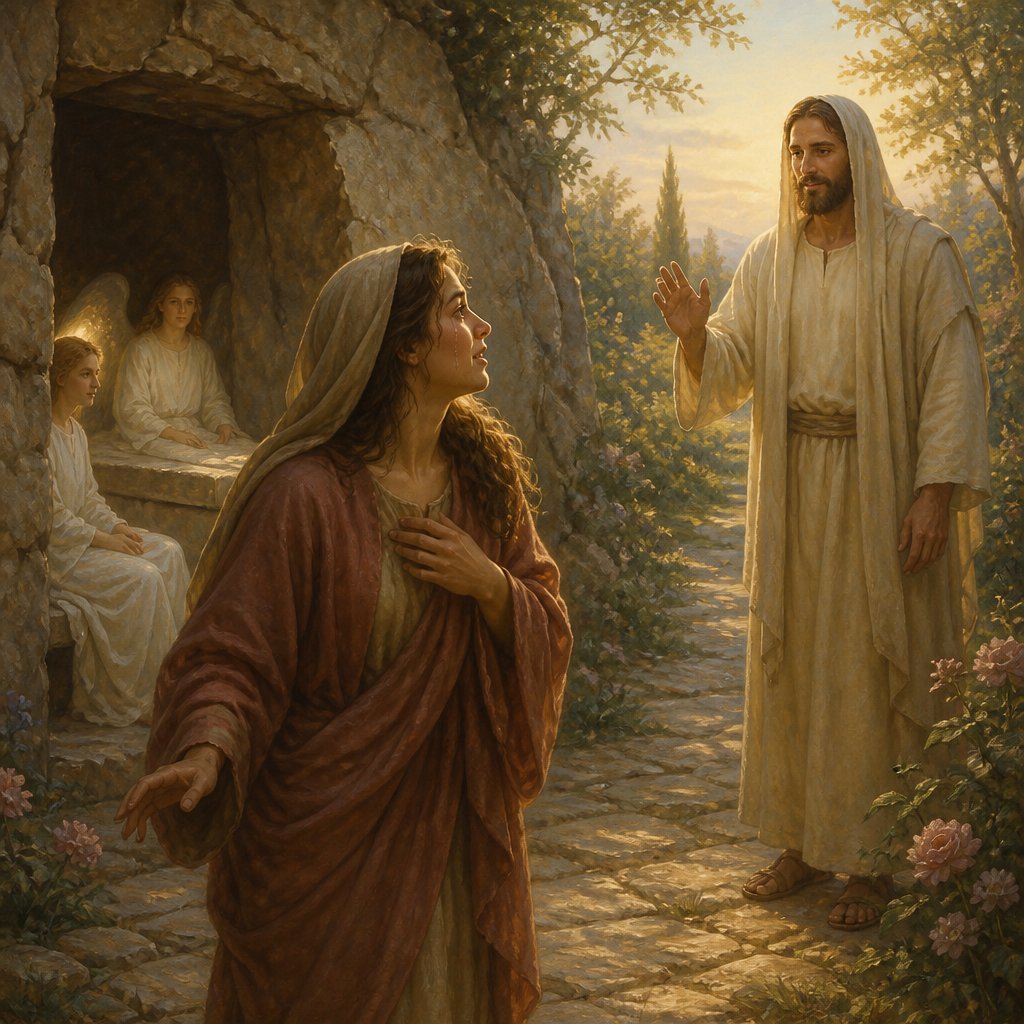
John 20:11-18 (KJV):
"But Mary stood without at the sepulchre weeping: and as she wept, she stooped down, and looked into the sepulchre, and seeth two angels in white sitting, the one at the head, and the other at the feet, where the body of Jesus had lain. And they say unto her, Woman, why weepest thou? She saith unto them, Because they have taken away my Lord, and I know not where they have laid him. And when she had thus said, she turned herself back, and saw Jesus standing, and knew not that it was Jesus. Jesus saith unto her, Woman, why weepest thou? whom seekest thou? She, supposing him to be the gardener, saith unto him, Sir, if thou have borne him hence, tell me where thou hast laid him, and I will take him away. Jesus saith unto her, Mary. She turned herself, and saith unto him, Rabboni; which is to say, Master. Jesus saith unto her, Touch me not; for I am not yet ascended to my Father: but go to my brethren, and say unto them, I ascend unto my Father, and your Father; and to my God, and your God. Mary Magdalene came and told the disciples that she had seen the Lord, and that he had spoken these things unto her."
There is so much richness and depth in this passage, particularly in how it captures the astonishing moment of Mary Magdalene encountering the resurrected Jesus. This passage comes right after the discovery of the empty tomb and the confusion and disbelief that followed. Mary, who was deeply devoted to Jesus, was devastated by the loss of her Lord and was weeping at the entrance of the tomb. This scene conveys the deep grief and desperation of Mary as she sought to find Jesus' body.
The appearance of the angels in white sitting where Jesus' body had laid is significant. Angels are often seen as messengers of God, and their presence here serves to comfort and bring hope to Mary. Their question, "Woman, why weepest thou?" reflects the empathetic nature of God and his messengers, as they reach out to understand and mitigate Mary's grief. Mary's response, "Because they have taken away my Lord, and I know not where they have laid him," reveals her deep love and loyalty to Jesus, as well as her confusion and heartache over his disappearance.
The most powerful moment in this passage is when Jesus appears to Mary. At first, she does not recognize him and mistakes him for the gardener. This moment captures the sense of Jesus' transformation in his resurrection, as well as the disbelief and confusion that his disciples experienced when encountering him after his death. When Jesus calls her by name, "Mary," she at once recognizes him, and her response, "Rabboni; which is to say, Master," is deeply moving. It underscores the deep personal relationship that Mary had with Jesus, as well as the intimate nature of their interaction.
Jesus' words to Mary, "Touch me not; for I am not yet ascended to my Father," are enigmatic and carry profound theological implications. They point to the significance of Jesus' resurrection and ascension and emphasize the divine nature of his identity. This encounter with the resurrected Jesus marks a pivotal moment in the narrative of the Gospel, as it bears witness to the reality of the resurrection and the fulfillment of Jesus' promise to rise from the dead.
The final part of the passage, where Mary goes to tell the disciples about her encounter with Jesus, serves as a crucial link in the chain of events that leads to the spread of the good news of Jesus' resurrection. Mary becomes the first witness to the resurrected Christ, and her testimony carries great significance in the development of the early Christian faith. This moment also highlights the inclusive and egalitarian nature of the Gospel, as Jesus instructs Mary to go to "my brethren" and share the news of his resurrection with them.
Overall, this passage embodies themes of grief, hope, recognition, and witness. It captures the deeply personal and transformative nature of encountering the resurrected Jesus, as well as the pivotal role of Mary Magdalene as a witness to this momentous event. The symbolism and theological depth of this passage make it a crucial part of the Easter narrative, and it continues to inspire and resonate with believers and non-believers alike.
Have questions about John 20:11-18?
Dive deeper into this scripture with Bible Chat — an AI-powered tool for exploring God's Word through conversation. Ask questions, get context, and grow in your understanding of the Bible.
Get Our Apps


John 20:11-18 Artwork

John 20:11-18 - "But Mary stood without at the sepulchre weeping: and as she wept, she stooped down, and looked into the sepulchre, And seeth two angels in white sitting, the one at the head, and the other at the feet, where the body of Jesus had lain. And they say unto her, Woman, why weepest thou? She saith unto them, Because they have taken away my Lord, and I know not where they have laid him. And when she had thus said, she turned herself back, and saw Jesus standing, and knew not that it was Jesus. Jesus saith unto her, Woman, why weepest thou? whom seekest thou? She, supposing him to be the gardener, saith unto him, Sir, if thou have borne him hence, tell me where thou hast laid him, and I will take him away. Jesus saith unto her, Mary. She turned herself, and saith unto him, Rabboni; which is to say, Master. Jesus saith unto her, Touch me not; for I am not yet ascended to my Father: but go to my brethren, and say unto them, I ascend unto my Father, and your Father; and to my God, and your God. Mary Magdalene came and told the disciples that she had seen the Lord, and that he had spoken these things unto her."
"But Mary stood without at the sepulchre weeping: and as she wept, she stooped down, and looked into the sepulchre, And seeth two angels in white sitting, the one at the head, and the other at the feet, where the body of Jesus had lain. And they say unto her, Woman, why weepest thou? She saith unto them, Because they have taken away my Lord, and I know not where they have laid him. And when she had thus said, she turned herself back, and saw Jesus standing, and knew not that it was Jesus. Jesus saith unto her, Woman, why weepest thou? whom seekest thou? She, supposing him to be the gardener, saith unto him, Sir, if thou have borne him hence, tell me where thou hast laid him, and I will take him away. Jesus saith unto her, Mary. She turned herself, and saith unto him, Rabboni; which is to say, Master. Jesus saith unto her, Touch me not; for I am not yet ascended to my Father: but go to my brethren, and say unto them, I ascend unto my Father, and your Father; and to my God, and your God. Mary Magdalene came and told the disciples that she had seen the Lord, and that he had spoken these things unto her." - John 20:11-18

John 20:11-12

John 20:11-13

John 20:11 - "¶ But Mary stood without at the sepulchre weeping: and as she wept, she stooped down, and looked into the sepulchre,"

John 11:18 - "Now Bethany was nigh unto Jerusalem, about fifteen furlongs off:"

Matthew 11:18 - "For John came neither eating nor drinking, and they say, He hath a devil."

John 20:18 - "Mary Magdalene came and told the disciples that she had seen the Lord, and that he had spoken these things unto her."

John 11:20 - "Then Martha, as soon as she heard that Jesus was coming, went and met him: but Mary sat still in the house."

Acts 20:11
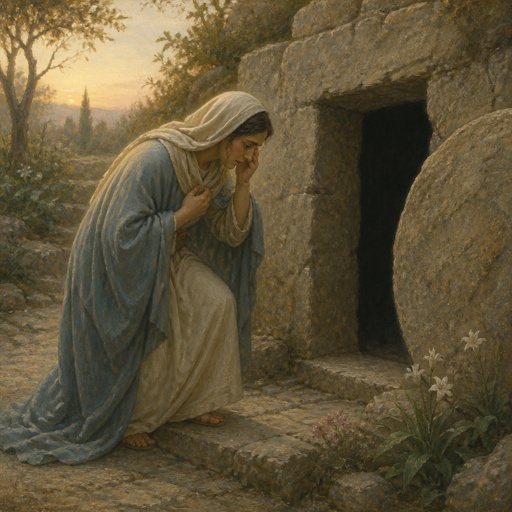
"¶ But Mary stood without at the sepulchre weeping: and as she wept, she stooped down, and looked into the sepulchre," - John 20:11

John 18:20 - "Jesus answered him, I spake openly to the world; I ever taught in the synagogue, and in the temple, whither the Jews always resort; and in secret have I said nothing."

John 18:11 - "Then said Jesus unto Peter, Put up thy sword into the sheath: the cup which my Father hath given me, shall I not drink it?"

Matthew 11:18 For John came neither eating nor drinking, and they say, ‘He has a demon.’
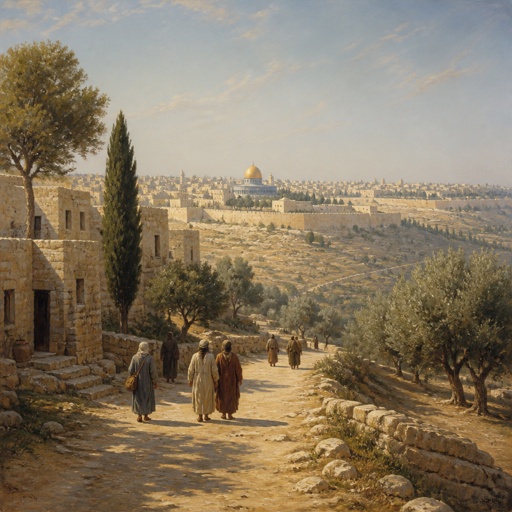
"Now Bethany was nigh unto Jerusalem, about fifteen furlongs off:" - John 11:18

John 11:20 Then Martha, as soon as she heard that Jesus was coming, went and met Him, but Mary was sitting in the house.

John 11:20 Then Martha, as soon as she heard that Jesus was coming, went and met Him, but Mary was sitting in the house.

"For John came neither eating nor drinking, and they say, He hath a devil." - Matthew 11:18
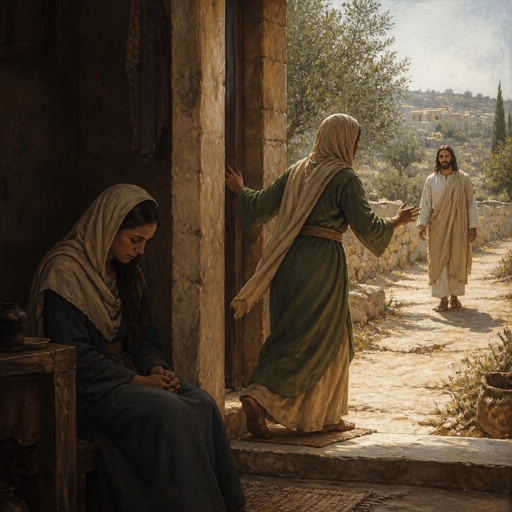
"Then Martha, as soon as she heard that Jesus was coming, went and met him: but Mary sat still in the house." - John 11:20

John 7:17-18

John 7:17-18

John 20;18
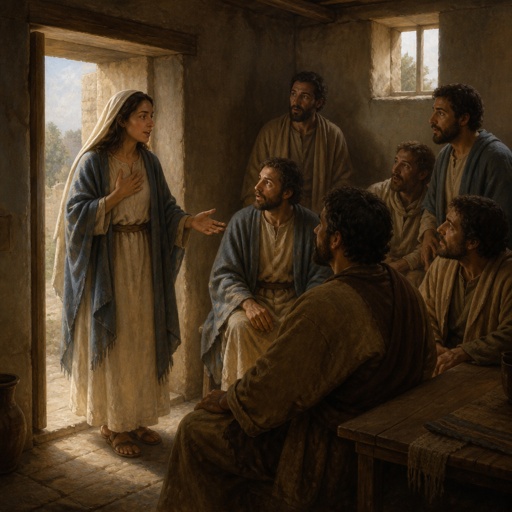
"Mary Magdalene came and told the disciples that she had seen the Lord, and that he had spoken these things unto her." - John 20:18

John 20:21

John 7:17-18

John 7:17-18

John 18:25

john 18:36

John 20:14

John 20:27