What does John 20:24 mean?
“But Thomas, one of the twelve, called Didymus, was not with them when Jesus came.” — John 20:24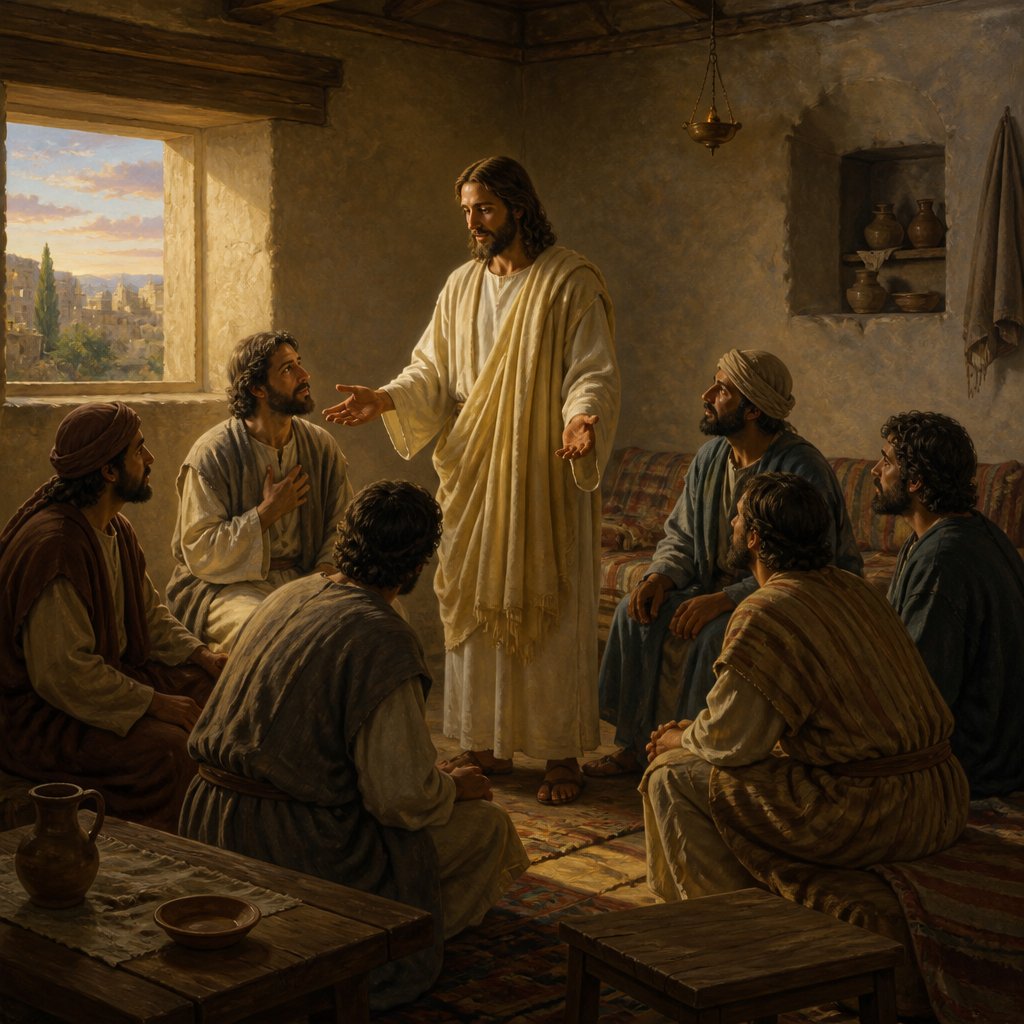
John 20:24 (KJV) states, "But Thomas, one of the twelve, called Didymus, was not with them when Jesus came." This verse is a small but significant part of the larger story of Jesus' resurrection. To fully understand the meaning and commentary of this verse, it's important to look at the context and the themes present in the Gospel of John.
The Gospel of John is the fourth book of the New Testament and is often referred to as the spiritual Gospel. It was written by the apostle John, one of Jesus' closest disciples, and is characterized by its emphasis on the divinity of Jesus and the importance of faith. In this particular passage, the disciples had gathered together in a room when Jesus appeared to them. However, Thomas, also known as Didymus, was not with them at the time.
One of the key themes of the Gospel of John is the theme of belief. Throughout the Gospel, John emphasizes the importance of believing in Jesus as the Son of God in order to receive eternal life. Thomas' absence when Jesus appeared to the other disciples highlights the theme of belief. His skepticism and doubting nature are a stark contrast to the faith of the other disciples. This sets the stage for the famous story of "Doubting Thomas," where Thomas refuses to believe that Jesus has risen from the dead until he sees and touches the wounds in Jesus' hands and side.
The inclusion of Thomas' absence in this verse serves as a reminder of the importance of belief and faith in Jesus. It shows that even those who were closest to Jesus during his earthly ministry struggled with doubts and uncertainties. This theme is relatable to many believers today, as they grapple with doubts and questions about their faith. Yet, the story of Thomas also serves as a reminder that Jesus is patient and understanding with our doubts, and he meets us where we are in order to strengthen our faith.
Another important aspect of this verse is the symbolism of Thomas as a representative of all those who struggle with doubt. His story serves as a source of encouragement for those who may have doubts about their faith. It shows that it's okay to have questions and uncertainties, and that Jesus is willing to provide the answers and reassurance we need. Additionally, the inclusion of Thomas' story in the Gospel of John serves as a testament to the reliability and authenticity of the biblical accounts. The disciples' doubts and struggles are not glossed over or ignored, but are presented in a raw and honest manner.
The verse also serves as a reminder of the overarching theme of Jesus' resurrection and his victory over death. Even though Thomas initially doubted the resurrection, he ultimately proclaims, "My Lord and my God!" upon seeing Jesus and touching his wounds. This serves as a powerful declaration of faith and an acknowledgment of Jesus' divine nature. It also emphasizes the transformative power of encountering the risen Christ. Through this encounter, Thomas's doubts are transformed into a deep and unwavering belief in Jesus as the Son of God.
In conclusion, John 20:24 is a verse that carries a wealth of meaning and commentary within the larger context of the Gospel of John. It highlights the themes of belief and faith, while also serving as a source of encouragement for those who struggle with doubts. The inclusion of Thomas' story in the Gospel serves as a reminder of the authenticity of the biblical accounts and the transformative power of encountering the risen Christ. It ultimately underscores the central message of the Gospel of John – that through belief in Jesus, we can find eternal life.
Get our apps


Artwork for John 20:24

John 20:24 - "¶ But Thomas, one of the twelve, called Didymus, was not with them when Jesus came."
"¶ But Thomas, one of the twelve, called Didymus, was not with them when Jesus came." - John 20:24

John 3:24 - "For John was not yet cast into prison."

"For John was not yet cast into prison." - John 3:24
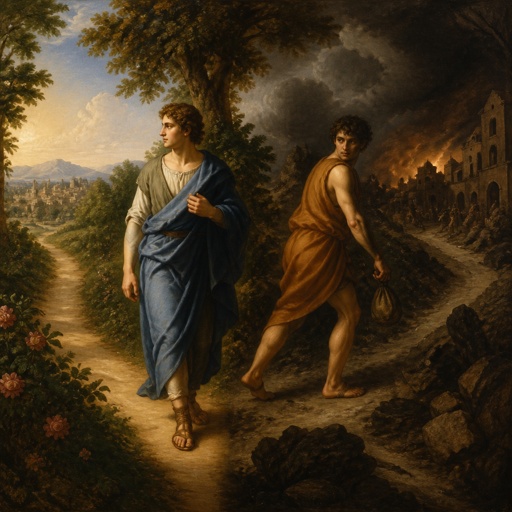
Proverbs 20:24

Genesis 24-20

John 20:21

John 20:14

John 20:27

John 20:27

Leviticus 24:20-23

John 1:24 - "And they which were sent were of the Pharisees."

John 20:11-12

John 20:11-13

John 20:30-31

John 7:24 - "Judge not according to the appearance, but judge righteous judgment."
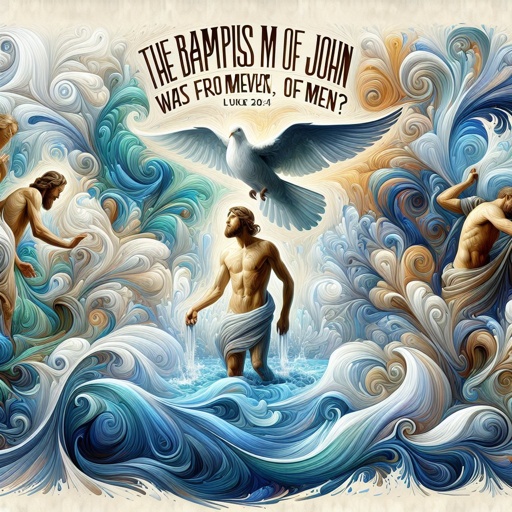
Luke 20:4 - "The baptism of John, was it from heaven, or of men?"

John 6:20 - "But he saith unto them, It is I; be not afraid."
John 1:20 - "And he confessed, and denied not; but confessed, I am not the Christ."

2 Samuel 20:24 - "And Adoram was over the tribute: and Jehoshaphat the son of Ahilud was recorder:"

John 4:24 - "God is a Spirit: and they that worship him must worship him in spirit and in truth."

Luke 7:24 - "¶ And when the messengers of John were departed, he began to speak unto the people concerning John, What went ye out into the wilderness for to see? A reed shaken with the wind?"

John 20:10 - "Then the disciples went away again unto their own home."

Matthew 24:20 - "But pray ye that your flight be not in the winter, neither on the sabbath day:"

Proverbs 24:20 - "For there shall be no reward to the evil man; the candle of the wicked shall be put out."

John 18:24 - "Now Annas had sent him bound unto Caiaphas the high priest."

John 20:20 - "And when he had so said, he shewed unto them his hands and his side. Then were the disciples glad, when they saw the Lord."

John 20:3 - "Peter therefore went forth, and that other disciple, and came to the sepulchre."

Ezekiel 24:20 - "Then I answered them, The word of the LORD came unto me, saying,"

Judges 20:24 - "And the children of Israel came near against the children of Benjamin the second day."