What does John 2:12 mean?
“After this he went down to Capernaum, he, and his mother, and his brethren, and his disciples: and they continued there not many days.” — John 2:12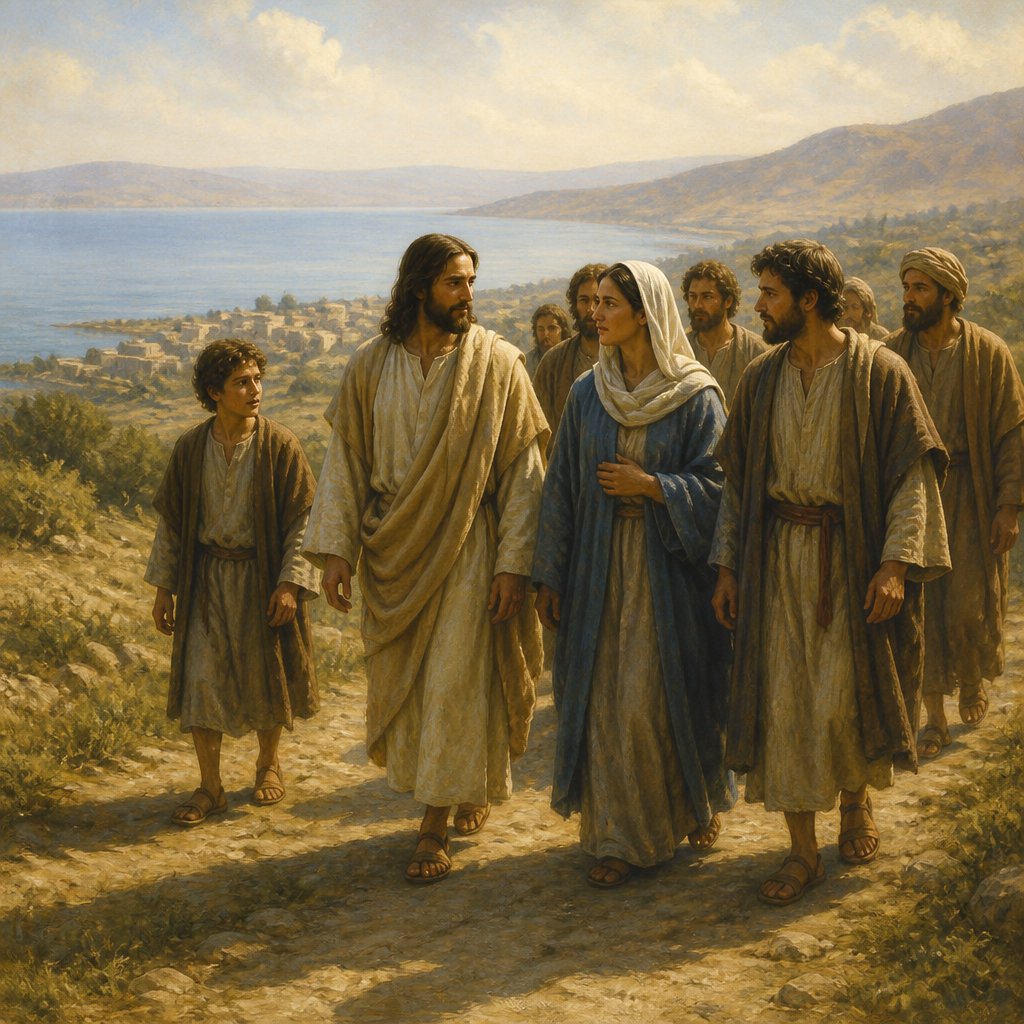
John 2:12 in the King James Version (KJV) says, "After this he went down to Capernaum, he, and his mother, and his brethren, and his disciples: and they continued there not many days." This verse is part of a larger passage that recounts Jesus' first miracle, turning water into wine at the wedding in Cana. The verse serves as a transition in the narrative, as it marks the end of the wedding and the beginning of Jesus' ministry in Capernaum.
The themes present in this verse include the beginning of Jesus' public ministry, the importance of family, and the trust and discipleship of his followers. Jesus had just performed his first miracle, which revealed his divine nature and set the stage for his public ministry. The verse also hints at the close relationship Jesus had with his family, as his mother and brothers were with him as he traveled to Capernaum. It is a reminder of the humanity of Jesus, as well as the significance of familial relationships in his life.
The context in which this verse takes place is significant in understanding its meaning. After the wedding at Cana, Jesus, his mother, his siblings, and his disciples traveled to Capernaum, which would become the center of his Galilean ministry. Capernaum was a thriving town located on the northern shore of the Sea of Galilee, and it served as a hub for trade and transportation in the region. By going to Capernaum, Jesus was making a strategic decision to begin his ministry in a populous and influential area.
In terms of symbolism, this verse reflects the beginning of Jesus' public ministry and the fulfillment of his divine purpose on earth. It marks the transition from his private, family life to his role as a teacher and healer. The presence of his mother and brothers also symbolizes the importance of familial ties and the human aspect of Jesus' life. It demonstrates the balance between his divine calling and his earthly relationships, emphasizing the idea of Jesus as fully human and fully divine.
Overall, this verse in the Gospel of John is a pivotal moment in the life of Jesus, as it marks the beginning of his public ministry and the fulfillment of his divine purpose. It also highlights the significance of family and relationships in Jesus' life, as well as the trust and discipleship of his followers. The context of Capernaum as a strategic location for his ministry adds depth to the verse, emphasizing the intentionality and purpose behind Jesus' actions. The symbolism of the verse reflects the multifaceted nature of Jesus' identity, as both human and divine. In this way, the verse serves as a crucial point in the Gospel narrative, setting the stage for the rest of Jesus' ministry and teaching.
Get our apps


Artwork for John 2:12

1 John 2:12 - "I write unto you, little children, because your sins are forgiven you for his name's sake."

John 2:12 - "¶ After this he went down to Capernaum, he, and his mother, and his brethren, and his disciples: and they continued there not many days."
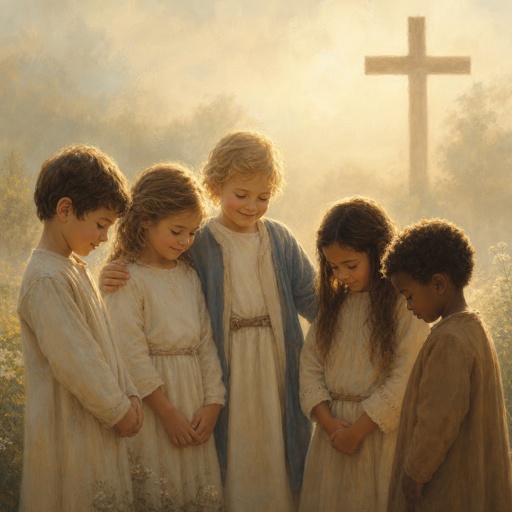
"I write unto you, little children, because your sins are forgiven you for his name's sake." - 1 John 2:12

1 John 2:12-13 - "I am writing to you, dear children, because your sins have been forgiven on account of his name. I am writing to you, fathers, because you know him who is from the beginning. I am writing to you, young men, because you have overcome the evil one."
"¶ After this he went down to Capernaum, he, and his mother, and his brethren, and his disciples: and they continued there not many days." - John 2:12
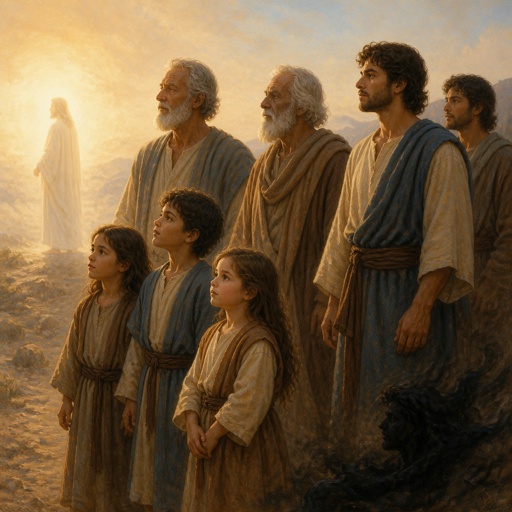
"I am writing to you, dear children, because your sins have been forgiven on account of his name. I am writing to you, fathers, because you know him who is from the beginning. I am writing to you, young men, because you have overcome the evil one." - 1 John 2:12-13

Acts 12:2 - "And he killed James the brother of John with the sword."

John 12:2 - "There they made him a supper; and Martha served: but Lazarus was one of them that sat at the table with him."

"And he killed James the brother of John with the sword." - Acts 12:2
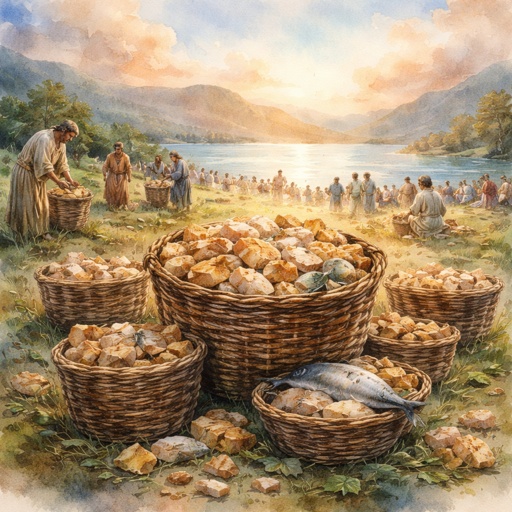
John 6:12

John 8:12

John 12:25

John 8:12

John 8:12

John 8:12
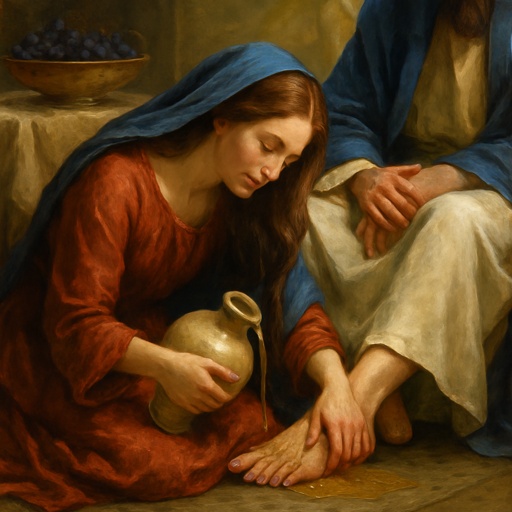
John 12:3

John 8:12

2 John 1:12 - "Having many things to write unto you, I would not write with paper and ink: but I trust to come unto you, and speak face to face, that our joy may be full."
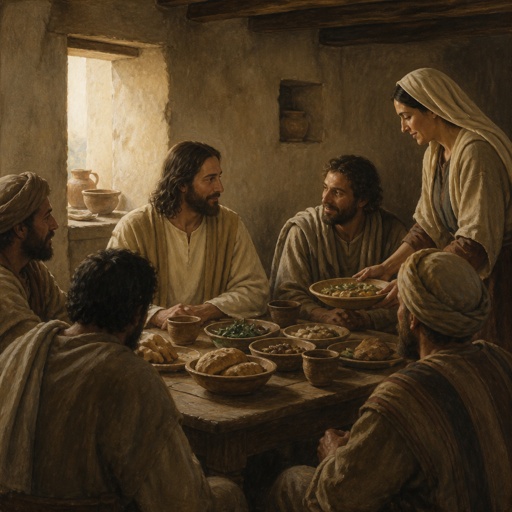
"There they made him a supper; and Martha served: but Lazarus was one of them that sat at the table with him." - John 12:2

John 20:11-12

John 12:12 - "¶ On the next day much people that were come to the feast, when they heard that Jesus was coming to Jerusalem,"

John 12:39 - "Therefore they could not believe, because that Esaias said again,"

John 12:43 - "For they loved the praise of men more than the praise of God."

John 12:45 - "And he that seeth me seeth him that sent me."

John 18:12 - "Then the band and the captain and officers of the Jews took Jesus, and bound him,"

John 12:33 - "This he said, signifying what death he should die."

John 15:12 love one another

John 12:10 - "¶ But the chief priests consulted that they might put Lazarus also to death;"

John 12:5 - "Why was not this ointment sold for three hundred pence, and given to the poor?"

John 12:20 - "¶ And there were certain Greeks among them that came up to worship at the feast:"