What does John 2:17 mean?
“And his disciples remembered that it was written, The zeal of thine house hath eaten me up.” — John 2:17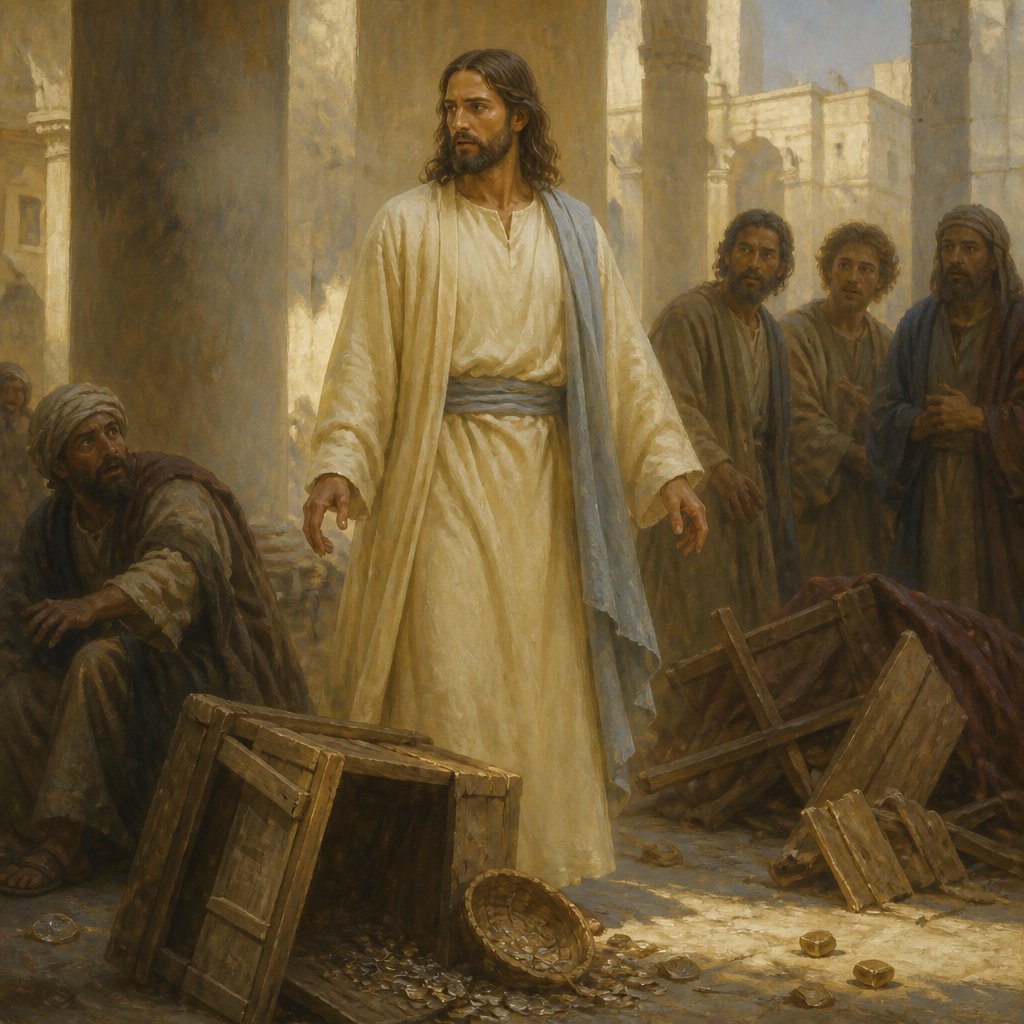
The verse John 2:17 in the King James Version of the Bible reads, "And his disciples remembered that it was written, The zeal of thine house hath eaten me up." This verse is found in the context of Jesus' cleansing of the temple, where he drives out the money changers and merchants who were using the temple as a marketplace. This event takes place in the early days of Jesus' public ministry and is recorded in the Gospel of John.
To fully understand the significance of this verse, it is important to understand the broader context in which it is situated. Jesus had just arrived in Jerusalem for the Passover, and upon entering the temple, he was disturbed by the sight of people buying and selling within its walls. In a display of righteous anger, Jesus overturns the tables of the money changers and drives out those who were selling animals for sacrifices. This action reflects Jesus' deep reverence for the temple as a house of prayer and worship, and his desire to restore its sanctity.
The verse itself, which quotes from Psalm 69:9, serves to highlight the disciples' realization of the connection between Jesus' actions and the prophecies of the Old Testament. In Psalm 69, King David expresses his anguish and distress, likening his passion for God's house to being consumed by fire. By invoking this Old Testament passage, the disciples are recognizing that Jesus' actions are in fulfillment of the scriptures and are driven by a passionate zeal for God's holiness.
The phrase "The zeal of thine house hath eaten me up" conveys the idea of being consumed or overwhelmed by a fervent and consuming passion. In the context of Jesus' actions in the temple, this phrase speaks to the intensity of his commitment to the purity and sanctity of God's house. Jesus' actions were not simply a reaction to the immediate situation at hand, but a reflection of his deep-seated devotion to the Father's will and the sanctity of worship.
This verse also sheds light on the larger themes of Jesus' ministry, particularly his role as the fulfillment of Old Testament prophecies and the establishment of a new covenant. Throughout the Gospels, Jesus is portrayed as the long-awaited Messiah who came to fulfill the scriptures and bring about the kingdom of God. The disciples' recognition of the connection between Jesus' actions and the Old Testament prophecies underscores the continuity between the old and new covenants, and the significance of Jesus' mission in the broader sweep of salvation history.
Furthermore, the verse captures the complex and multifaceted nature of Jesus' identity. While he is portrayed as a compassionate and loving figure, he also exhibits a righteous anger and zeal for the things of God. This verse provides a glimpse into the fullness of Jesus' character, which encompasses both grace and truth, mercy and justice. It serves as a reminder that Jesus, as the Son of God, embodies both the tender shepherd who lays down his life for his sheep, and the fierce defender of God's honor and holiness.
In terms of symbolism, the zeal of thine house can be seen as a representation of the purity and sanctity of worship. The temple served as the focal point of Jewish religious life, and the actions of Jesus underscore the importance of maintaining the integrity of worship. The zeal with which Jesus approached the temple reflects his commitment to upholding the true spirit of worship, free from corruption and worldly distractions.
In conclusion, John 2:17 offers a rich and multi-layered insight into Jesus' character and mission, as well as the broader themes of fulfillment of prophecy, the establishment of the new covenant, and the sanctity of worship. This verse serves as a powerful reminder of Jesus' passionate zeal for the things of God, and his unwavering commitment to the Father's will. It challenges us to examine our own attitudes and actions in worship, and to strive for a similar zeal and devotion in our relationship with God.
Get our apps


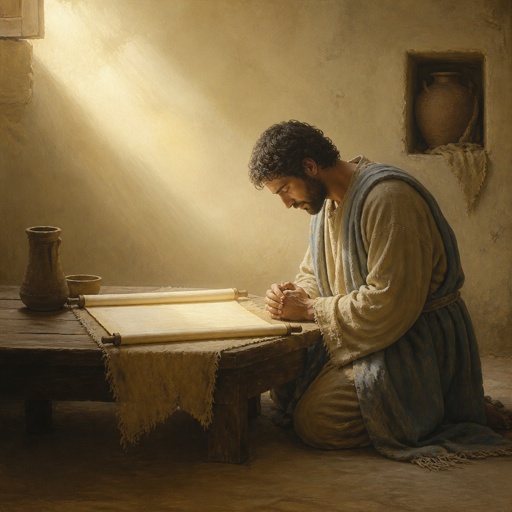
Artwork for John 2:17

John 2:17 - "And his disciples remembered that it was written, The zeal of thine house hath eaten me up."

1 John 2:17 - "And the world passeth away, and the lust thereof: but he that doeth the will of God abideth for ever."

"And his disciples remembered that it was written, The zeal of thine house hath eaten me up." - John 2:17

"And the world passeth away, and the lust thereof: but he that doeth the will of God abideth for ever." - 1 John 2:17
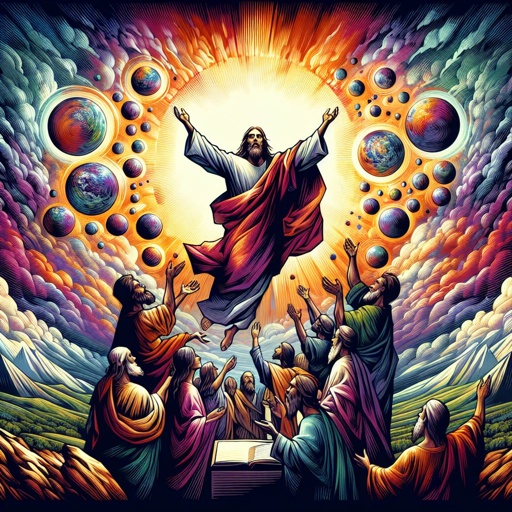
John 17:2 - "As thou hast given him power over all flesh, that he should give eternal life to as many as thou hast given him."

John 7:17-18

John 7:17-18

John 7:17-18

John 7:17-18

John 17:17 - "Sanctify them through thy truth: thy word is truth."

John 1:17

John 21:17

John 1:17

John 1:17
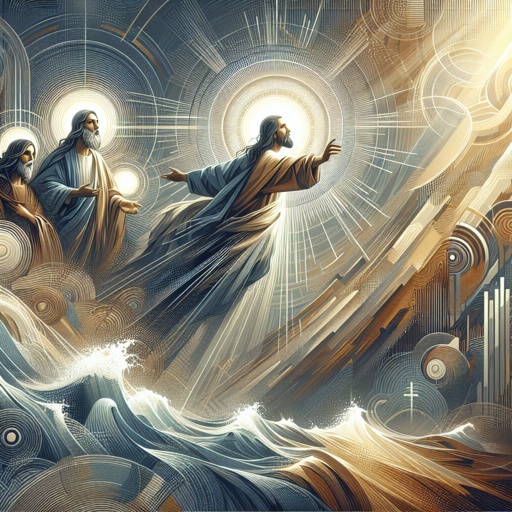
John 14:16-17

John 17:16 - "They are not of the world, even as I am not of the world."

1 John 5:17 - "All unrighteousness is sin: and there is a sin not unto death."
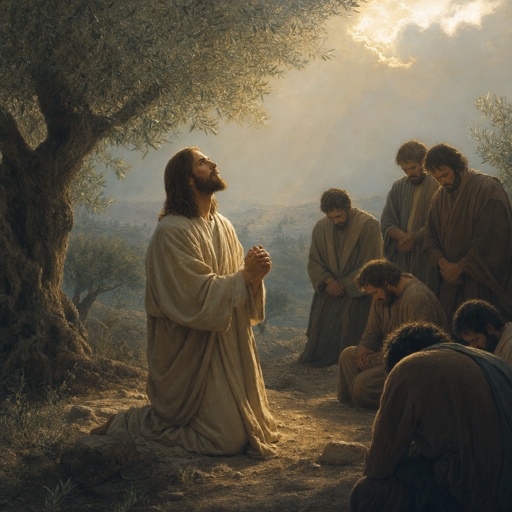
"Sanctify them through thy truth: thy word is truth." - John 17:17

"Sanctify them through thy truth: thy word is truth." - John 17:17
"Sanctify them through thy truth: thy word is truth." - John 17:17

John 15:17 - "These things I command you, that ye love one another."

Matthew 17:13 - "Then the disciples understood that he spake unto them of John the Baptist."

John 13:17 - "If ye know these things, happy are ye if ye do them."

John 1:17 - "For the law was given by Moses, but grace and truth came by Jesus Christ."

John 8:17 - "It is also written in your law, that the testimony of two men is true."

John 17:19 - "And for their sakes I sanctify myself, that they also might be sanctified through the truth."

John 5:17 - "¶ But Jesus answered them, My Father worketh hitherto, and I work."

John 17:10 - "And all mine are thine, and thine are mine; and I am glorified in them."

John 17:7 - "Now they have known that all things whatsoever thou hast given me are of thee."

1 John 2:15-17 - "Do not love the world or anything in the world. If anyone loves the world, love for the Father is not in them. For everything in the world—the lust of the flesh, the lust of the eyes, and the pride of life—comes not from the Father but from the world. The world and its desires pass away, but whoever does the will of God lives forever."