What does John 3:1-2 mean?
“There was a man of the Pharisees, named Nicodemus, a ruler of the Jews: The same came to Jesus by night, and said unto him, Rabbi, we know that thou art a teacher come from God: for no man can do these miracles that thou doest, except God be with him.” — John 3:1-2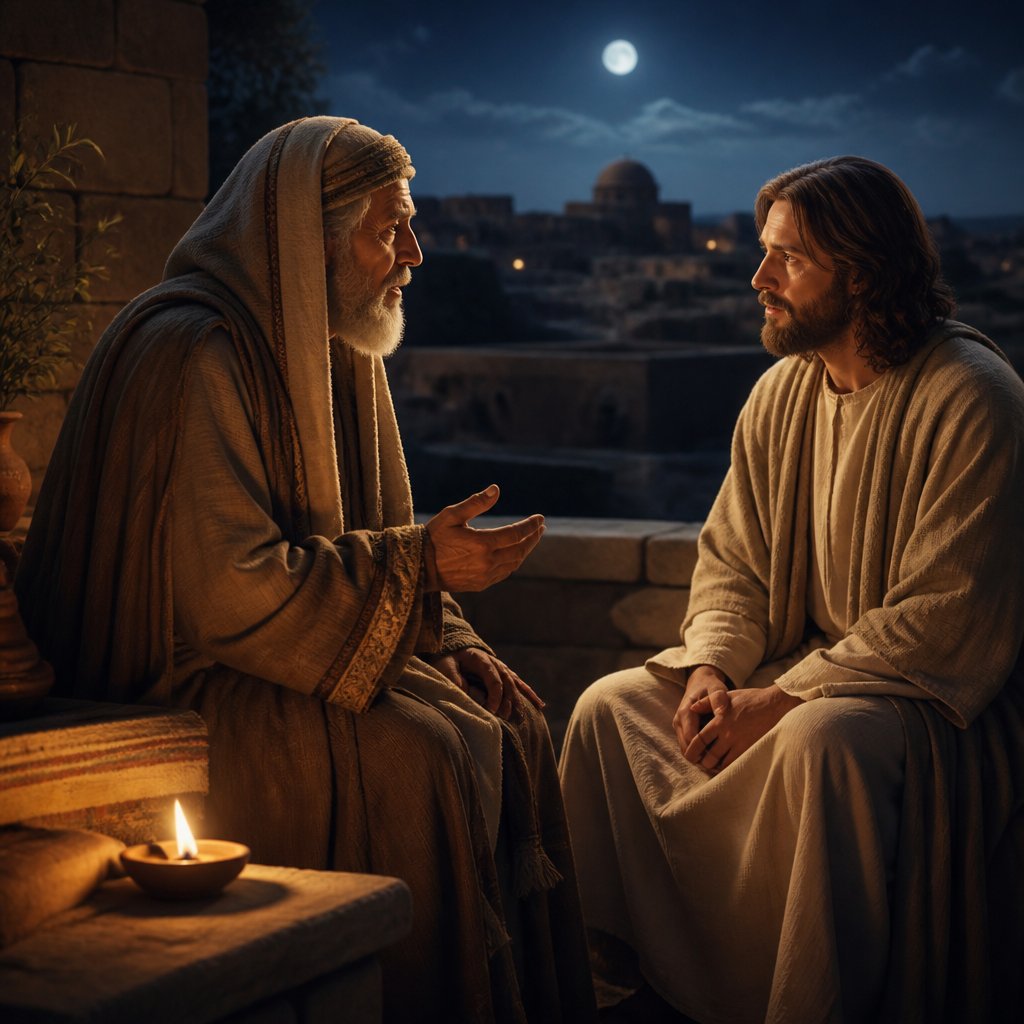
John 3:1-2 in the King James Version (KJV) of the Bible states, "There was a man of the Pharisees, named Nicodemus, a ruler of the Jews: The same came to Jesus by night, and said unto him, Rabbi, we know that thou art a teacher come from God: for no man can do these miracles that thou doest, except God be with him."
This passage from the Gospel of John contains important themes such as faith, spiritual seeking, and the importance of encountering Jesus as the source of divine life. It also highlights the tension between faith and doubt, as well as the difference between knowledge and true spiritual understanding.
The context of this passage is crucial for understanding its significance. Nicodemus, a Pharisee and a ruler of the Jews, was a member of the Sanhedrin, the Jewish ruling council. As a religious and political leader, he would have been well-versed in the Jewish scriptures but also burdened by the legalistic interpretations of the law that characterized the Pharisees. It is significant that Nicodemus approached Jesus at night, suggesting a sense of secrecy and perhaps a desire to avoid being seen by his fellow Pharisees. This may indicate that Nicodemus was grappling with questions and doubts that he did not want to openly disclose to his colleagues.
Nicodemus addresses Jesus with respect, calling him "Rabbi," and acknowledges that Jesus is a teacher who has come from God. Here, Nicodemus recognizes the miraculous deeds that Jesus has performed, which suggests that he sensed the divine presence and power in Jesus. However, Nicodemus's understanding is limited to the realm of knowledge and observation; he sees Jesus as a teacher and miracle-worker, but he does not yet grasp the full significance of Jesus' identity and mission.
Nicodemus's approach to Jesus reflects a common human experience—seeking spiritual truth and meaning. This passage illustrates the tension between seeking and encountering spiritual truth. Nicodemus represents the spiritual seeker who approaches Jesus with a sincere longing for understanding and knowledge. However, Nicodemus's encounter with Jesus also reveals the limitations of human understanding and the necessity of divine revelation for true spiritual insight.
Jesus' response to Nicodemus highlights the central message of the passage: the necessity of spiritual rebirth. In verse 3, Jesus tells Nicodemus, "Verily, verily, I say unto thee, Except a man be born again, he cannot see the kingdom of God." This statement challenges Nicodemus to move beyond intellectual knowledge and religious observance to embrace a deeper transformation of the heart and spirit. Jesus emphasizes that spiritual rebirth is essential for entering into the kingdom of God and experiencing true divine life.
The symbolism in this passage is rich and multi-layered. Nicodemus's nighttime visit to Jesus can be seen as symbolic of the spiritual darkness and uncertainty that characterized his initial encounter with Jesus. The theme of darkness and light is a recurring motif in the Gospel of John, symbolizing the contrast between spiritual blindness and illumination. Nicodemus's journey from darkness to light reflects the universal human experience of seeking spiritual truth and encountering the divine.
The imagery of birth and rebirth is also laden with symbolic meaning. Jesus' reference to being "born again" speaks to the transformative power of the Spirit in bringing new life and spiritual renewal. This image conveys the idea of a radical and profound change—a spiritual rebirth that transcends human effort and understanding. It emphasizes the need for a personal and intimate encounter with the divine, which brings about a fundamental transformation of the individual.
In conclusion, John 3:1-2 from the King James Version of the Bible offers a rich and profound exploration of faith, spiritual seeking, and the necessity of encountering Jesus as the source of divine life. The passage highlights the tension between seeking and encountering spiritual truth, as well as the difference between intellectual knowledge and true spiritual understanding. Nicodemus's nighttime encounter with Jesus and Jesus' message of the necessity of spiritual rebirth are profound and timeless truths that continue to resonate with spiritual seekers today.
Get our apps


Artwork for John 3:1-2
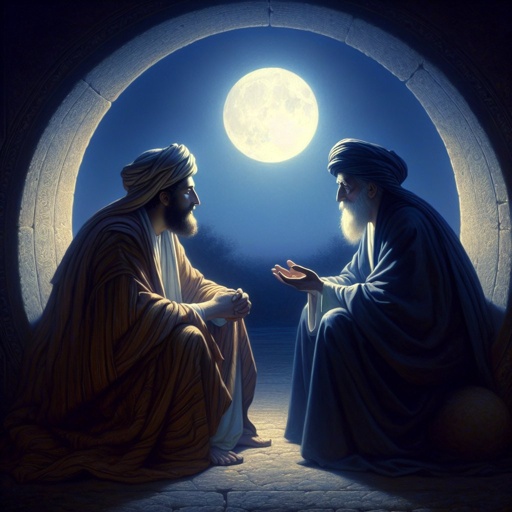
John 3:1-2 - "Now there was a man of the Pharisees named Nicodemus, a ruler of the Jews. This man came to Jesus by night and said to him, “Rabbi, we know that you are a teacher come from God, for no one can do these signs that you do unless God is with him."
"Now there was a man of the Pharisees named Nicodemus, a ruler of the Jews. This man came to Jesus by night and said to him, “Rabbi, we know that you are a teacher come from God, for no one can do these signs that you do unless God is with him." - John 3:1-2

1 John 3:1-3
Genesis 3: 1-2

Titus 3:1-2

Titus 3:1-2

BORN AGAIN JOHN 3:1-13

1 John 2:3 - "And hereby we do know that we know him, if we keep his commandments."

1 John 3:2 – "Dear friends, now we are children of God, and what we will be has not yet been made known."

1 John 3:2 – "Dear friends, now we are children of God, and what we will be has not yet been made known."

John 3:3

3 John 1:2 - "Beloved, I wish above all things that thou mayest prosper and be in health, even as thy soul prospereth."

2 John 1:3 - "Grace be with you, mercy, and peace, from God the Father, and from the Lord Jesus Christ, the Son of the Father, in truth and love."

John 3:3-8

John 1:1-3 KJVA (1) In the beginning was the Word, and the Word was with God, and the Word was God. (2) The same was in the beginning with God. (3) All things were made by him; and without him was not any thing made that was made.

John 1:1-3 KJVA (1) In the beginning was the Word, and the Word was with God, and the Word was God. (2) The same was in the beginning with God. (3) All things were made by him; and without him was not any thing made that was made.

John 3:1 - "There was a man of the Pharisees, named Nicodemus, a ruler of the Jews:"

John 3:14

John 3:16

John 1:3

John 1:3

John 3:16

John 3:16

John 3:16

John 3-16

John 3:16

John 3:16
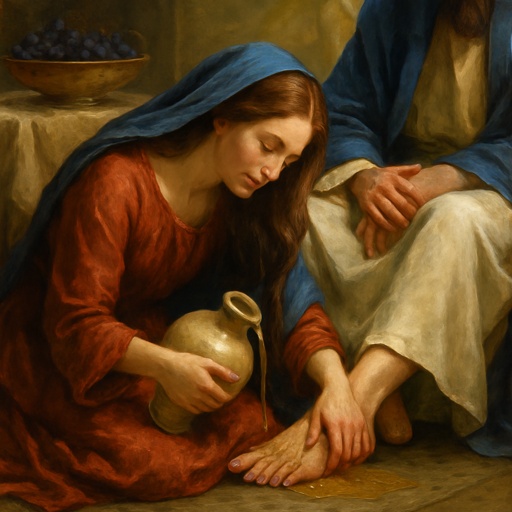
John 12:3

2 John 1:3 - "Grace be with you, mercy, and peace, from God the Father, and from the Lord Jesus Christ, the Son of the Father, in truth and love."

John 9:1-3