What does John 3:8 mean?
"The wind bloweth where it listeth, and thou hearest the sound thereof, but canst not tell whence it cometh, and whither it goeth: so is every one that is born of the Spirit." - John 3:8
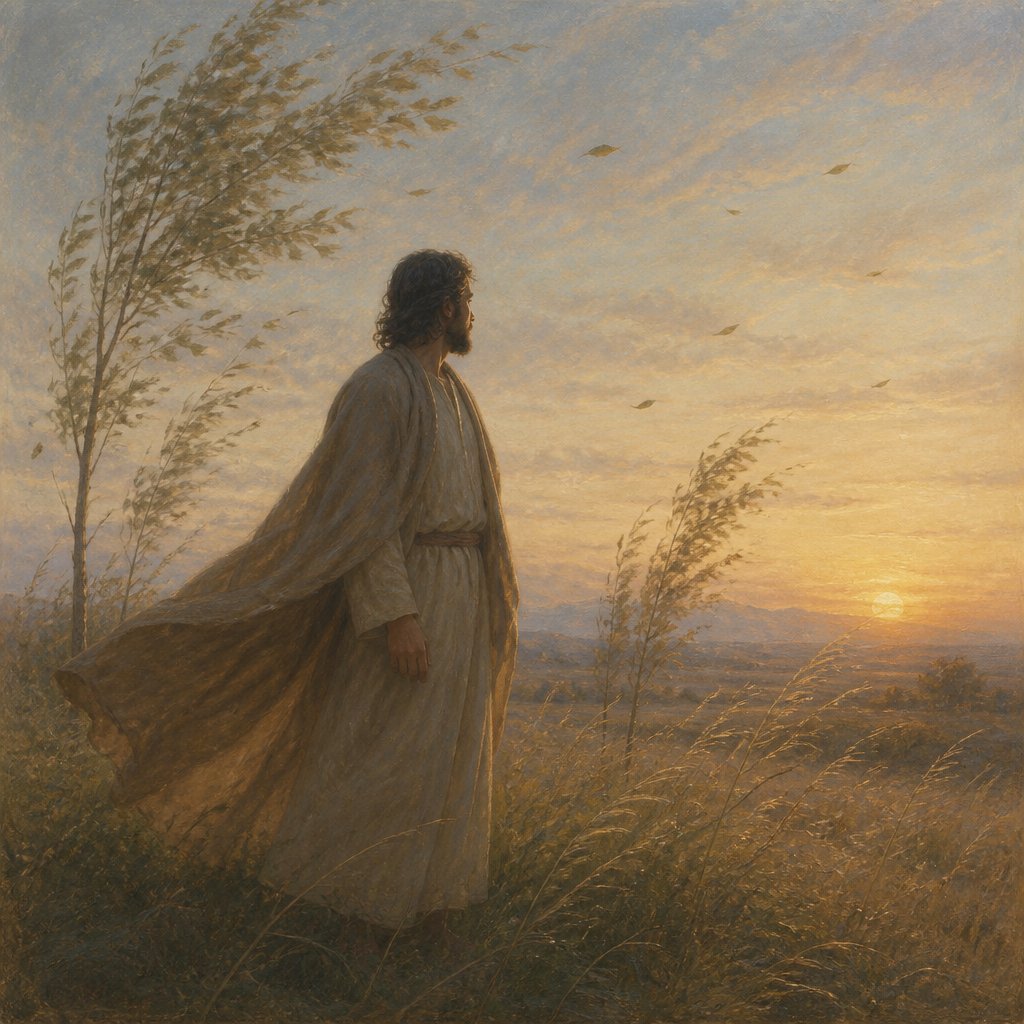
John 3:8 (KJV) says, "The wind bloweth where it listeth, and thou hearest the sound thereof, but canst not tell whence it cometh, and whither it goeth: so is every one that is born of the Spirit."
This verse is a part of a conversation between Jesus and Nicodemus, a Pharisee and a member of the Jewish ruling council, in which Jesus explains the concept of spiritual rebirth. Nicodemus is initially puzzled by Jesus' statement that "Except a man be born again, he cannot see the kingdom of God" (John 3:3, KJV), and Jesus goes on to explain that this rebirth is brought about by the Holy Spirit.
In John 3:8, Jesus uses the analogy of the wind to explain the mysterious nature of the Holy Spirit and its work in the hearts of believers. The wind is an invisible force that cannot be controlled or fully understood by human beings. It moves according to its own will, and its presence is known only through the sound it makes and the effects it produces. Similarly, the work of the Spirit in the life of a believer is mysterious and beyond human comprehension. Just as one cannot predict or control the wind, one cannot predict or control the work of the Spirit.
The imagery of the wind also carries symbolic significance in the Bible. In the Old Testament, the Hebrew word for "spirit" is "ruach," which can also mean "breath" or "wind." The wind is often used as a symbol of the Spirit of God, representing its unseen, powerful, and life-giving presence. In the book of Genesis, the Spirit of God is described as "moving upon the face of the waters" (Genesis 1:2, KJV), bringing order and life to the formless and void earth. In the book of Ezekiel, the Spirit is compared to a wind that breathes life into dry bones, bringing them back to life (Ezekiel 37:9-10, KJV).
The analogy of the wind in John 3:8 also highlights the sovereignty of the Spirit. The wind "bloweth where it listeth," meaning it goes wherever it pleases, without being subject to human control or manipulation. Similarly, the work of the Spirit is not subject to human will or understanding. It is God who gives the Holy Spirit to whom He wills, and the Spirit operates according to His purposes and plans. As Jesus tells Nicodemus, "So is every one that is born of the Spirit." Those who are born of the Spirit, or born again, are transformed by the work of the Spirit, and their lives reflect the mysterious and powerful work of God in their hearts.
This verse also speaks to the theme of spiritual rebirth and regeneration. The concept of being "born again" is central to the Christian faith, and it emphasizes the need for a radical transformation of the heart and mind. It is not merely an intellectual assent to certain beliefs, but a deep and profound inward change brought about by the Spirit of God. This rebirth is necessary for anyone to enter the kingdom of God and to live a life that is pleasing to Him.
In conclusion, John 3:8 serves as a powerful and poetic reminder of the mysterious and sovereign work of the Holy Spirit in the lives of believers. The analogy of the wind conveys the invisible yet powerful nature of the Spirit, and the imagery of the wind blowing where it pleases underscores the sovereignty of God in the work of regeneration. This verse encourages believers to trust in the Spirit's work, to embrace the mystery of spiritual rebirth, and to live in obedience to the will of God.
Have questions about John 3:8?
Dive deeper into this scripture with Bible Chat — an AI-powered tool for exploring God's Word through conversation. Ask questions, get context, and grow in your understanding of the Bible.
Get Our Apps


John 3:8 Artwork

1 John 3:8 - "He that committeth sin is of the devil; for the devil sinneth from the beginning. For this purpose the Son of God was manifested, that he might destroy the works of the devil."

John 3:8 - "The wind bloweth where it listeth, and thou hearest the sound thereof, but canst not tell whence it cometh, and whither it goeth: so is every one that is born of the Spirit."

"The wind bloweth where it listeth, and thou hearest the sound thereof, but canst not tell whence it cometh, and whither it goeth: so is every one that is born of the Spirit." - John 3:8
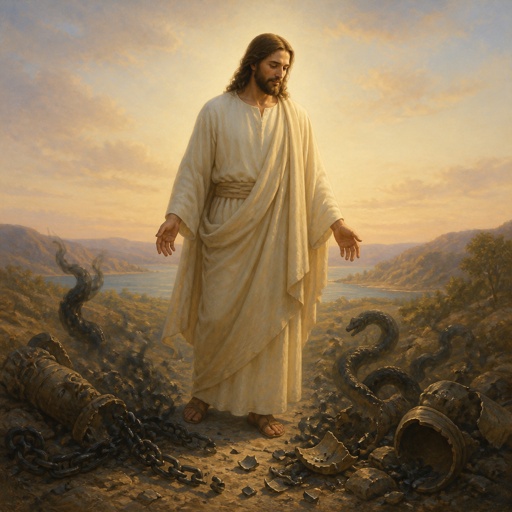
"He that committeth sin is of the devil; for the devil sinneth from the beginning. For this purpose the Son of God was manifested, that he might destroy the works of the devil." - 1 John 3:8
"The wind bloweth where it listeth, and thou hearest the sound thereof, but canst not tell whence it cometh, and whither it goeth: so is every one that is born of the Spirit." - John 3:8

John 3:3-8

John 3:5-8

John 3:5-8

John 3:5-8

3 John 1:8 - "We therefore ought to receive such, that we might be fellowhelpers to the truth."

numbers 21:8-9 & John 3:14

John 8:3 - "And the scribes and Pharisees brought unto him a woman taken in adultery; and when they had set her in the midst,"

"We therefore ought to receive such, that we might be fellowhelpers to the truth." - 3 John 1:8

John 8

John 8

John 8:44

John 3:3

John 8:44

John 8:44

John 3:24 - "For John was not yet cast into prison."

John 8:8 - "And again he stooped down, and wrote on the ground."

John 8:12

"And the scribes and Pharisees brought unto him a woman taken in adultery; and when they had set her in the midst," - John 8:3

"And the scribes and Pharisees brought unto him a woman taken in adultery; and when they had set her in the midst," - John 8:3

John 8:12

John 8:12

John 8:12

John 8:12

John 3

1 John 3:1-3