What does John 3:9 mean?
“Nicodemus answered and said unto him, How can these things be?” — John 3:9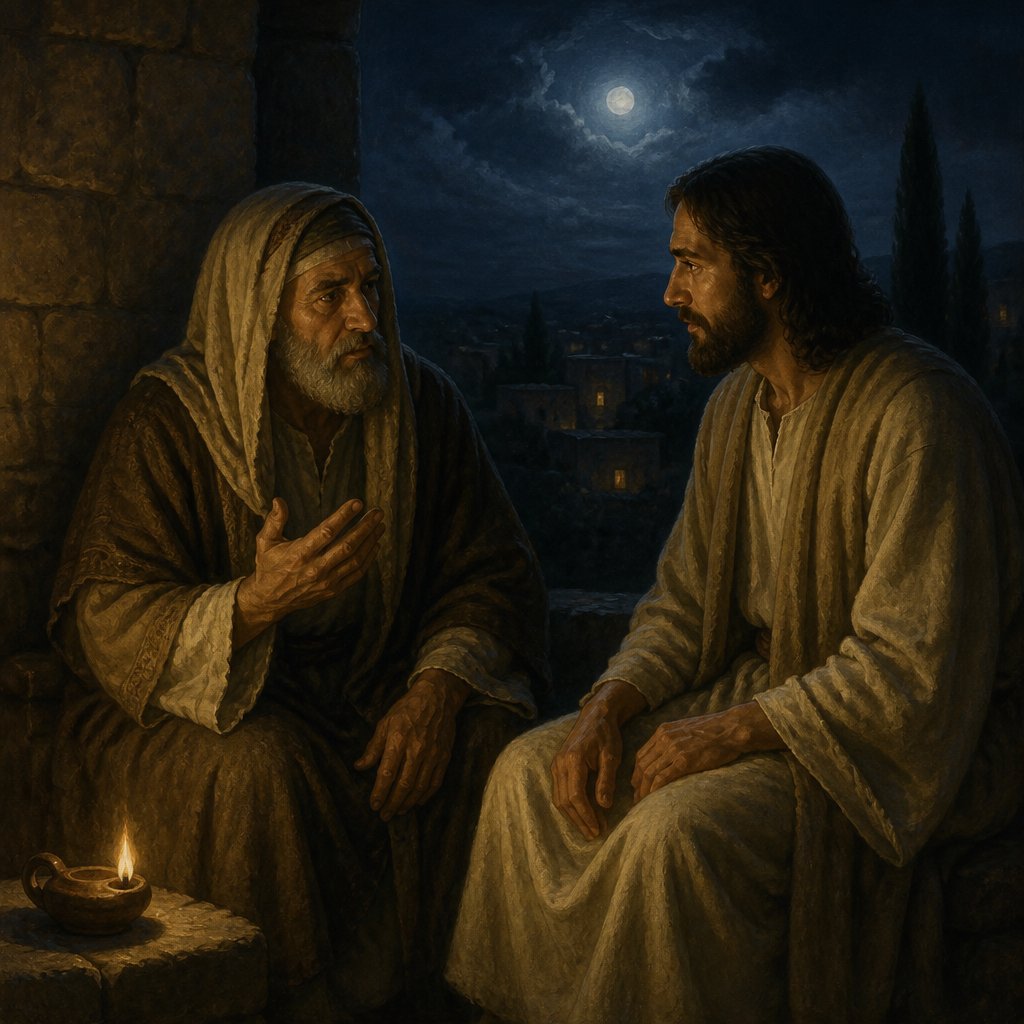
John 3:9 (KJV) reads, "Nicodemus answered and said unto him, How can these things be?" This verse comes from a conversation between Jesus and Nicodemus, a Jewish religious leader. In this passage, Nicodemus is expressing confusion and disbelief at Jesus' teachings about spiritual rebirth and salvation.
The context of this verse is important for understanding its significance. Nicodemus was a member of the Jewish ruling council, the Sanhedrin, and he came to Jesus by night to seek understanding. This demonstrates that Nicodemus was both curious about Jesus' teachings and also cautious about appearing to support him in public. His interaction with Jesus illustrates the gradual transformation of his beliefs and understanding of Jesus' message.
The theme of spiritual rebirth is central to this passage. Jesus had just told Nicodemus, "Except a man be born again, he cannot see the kingdom of God" (John 3:3, KJV). This concept was foreign to Nicodemus and seemed impossible to him, leading him to ask, "How can these things be?" Nicodemus was struggling to comprehend the idea of being spiritually "born again" and the implications of this for his faith and way of life.
Nicodemus' question also reflects the broader theme of spiritual enlightenment and understanding. He was grappling with the deeper spiritual truths that Jesus was sharing with him, and his inquiry reveals his desire to gain clarity and insight. Nicodemus represents many people who seek spiritual truth but struggle to fully understand or accept it due to preconceived notions or limited perspective.
The symbolic significance of this verse lies in the contrast between Nicodemus' intellectual struggle and Jesus' divine wisdom. Nicodemus, as a religious authority, was expected to have a comprehensive understanding of spiritual matters. However, his question to Jesus shows that he was perplexed and unable to grasp the depth of Jesus' message. Jesus' response in the following verses emphasizes the importance of being born of the Spirit and the role of faith in salvation. This highlights the contrast between human limitations and divine truth, and the necessity of humility and openness in receiving spiritual knowledge.
Furthermore, the encounter between Jesus and Nicodemus serves as a model for the process of spiritual transformation and growth. Nicodemus initially struggled to comprehend Jesus' teachings, but over time, he experienced a shift in his beliefs and became a follower of Jesus. This demonstrates the transformative power of encountering Jesus and engaging with his message, even when it challenges preconceived ideas and beliefs.
In conclusion, John 3:9 captures the moment when Nicodemus expresses his bewilderment at Jesus' teachings about spiritual rebirth. This verse is significant for its portrayal of Nicodemus' intellectual struggle, the theme of spiritual enlightenment, and the contrast between human understanding and divine wisdom. The encounter between Jesus and Nicodemus exemplifies the process of spiritual transformation and the necessity of humility and openness in receiving spiritual truth. This verse invites readers to reflect on their own beliefs and understanding of Jesus' message, and consider the transformative power of encountering him.
Get our apps


Artwork for John 3:9

John 3:9 - "Nicodemus answered and said unto him, How can these things be?"

1 John 3:9 - "Whosoever is born of God doth not commit sin; for his seed remaineth in him: and he cannot sin, because he is born of God."
"Nicodemus answered and said unto him, How can these things be?" - John 3:9
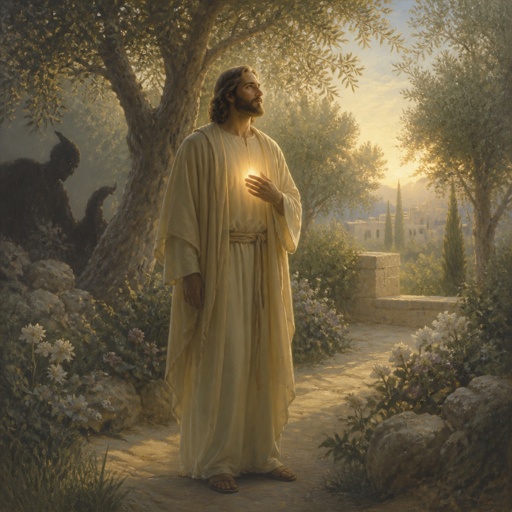
"Whosoever is born of God doth not commit sin; for his seed remaineth in him: and he cannot sin, because he is born of God." - 1 John 3:9

John 9:1-3

numbers 21:8-9 & John 3:14

3 John 1:9 - "I wrote unto the church: but Diotrephes, who loveth to have the preeminence among them, receiveth us not."

John 9:3 - "Jesus answered, Neither hath this man sinned, nor his parents: but that the works of God should be made manifest in him."

John 3:3

John 3:24 - "For John was not yet cast into prison."

john 21:9

John 3:3-8
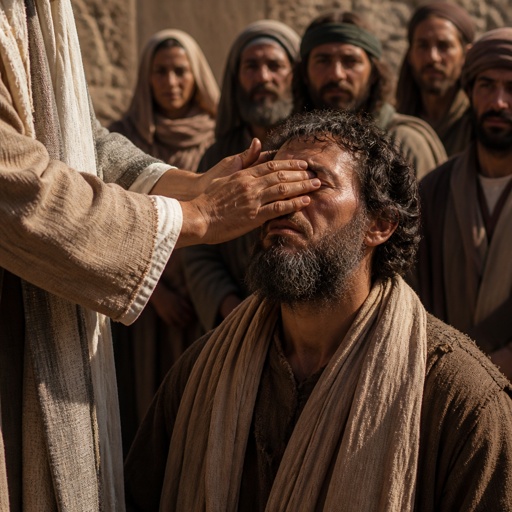
John 9:10

John 10:9

John 10:9

John 10:9

"I wrote unto the church: but Diotrephes, who loveth to have the preeminence among them, receiveth us not." - 3 John 1:9

John 3

1 John 3:1-3

John 6:8-9

John 13:4-9

John 9:1-41

1 John 1:9

John 3:16

John 15:9-10

John 15:9-10

John 16:9 - "Of sin, because they believe not on me;"
John 3:16

John 3:16

john 3:16