What does John 4:11 mean?
“The woman saith unto him, Sir, thou hast nothing to draw with, and the well is deep: from whence then hast thou that living water?” — John 4:11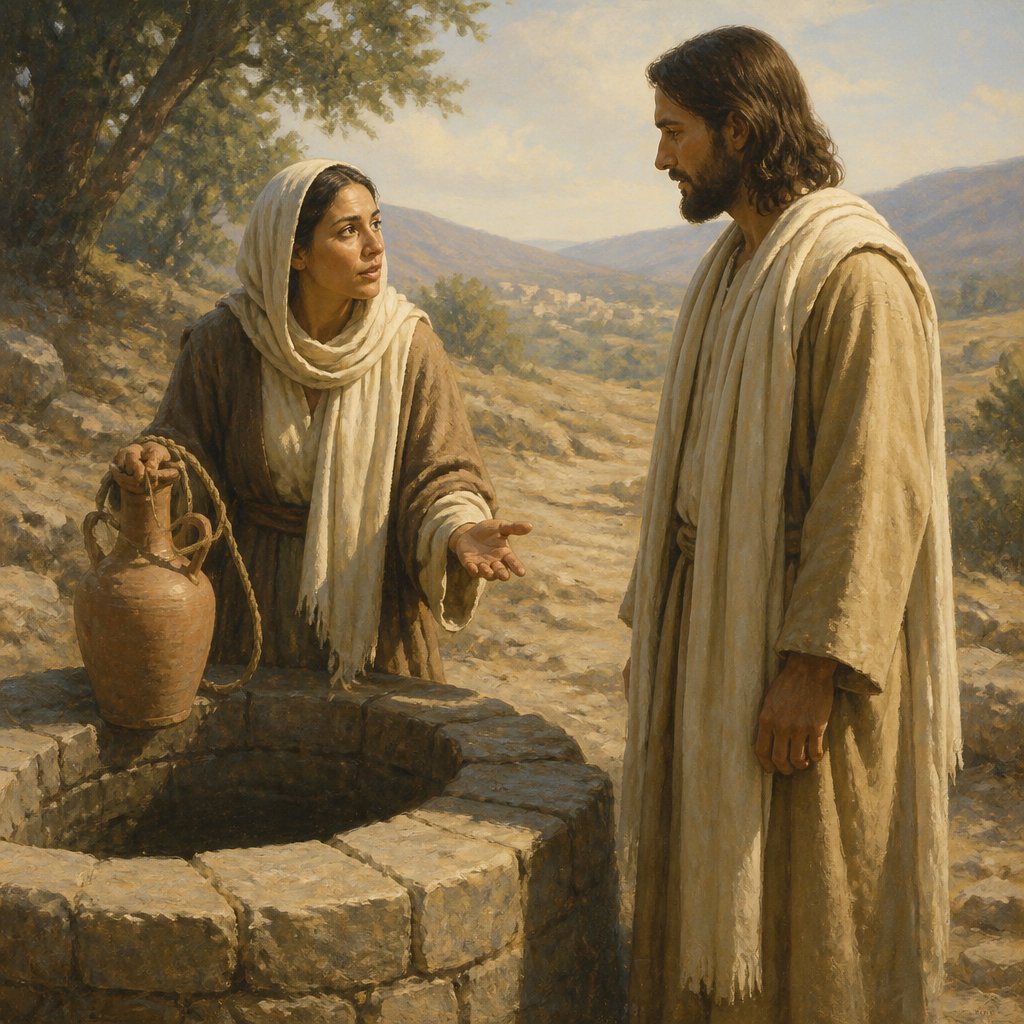
John 4:11 (KJV) reads: "The woman saith unto him, Sir, thou hast nothing to draw with, and the well is deep: from whence then hast thou that living water?"
This verse is part of a larger passage in the Gospel of John which recounts Jesus' encounter with a Samaritan woman at a well. This encounter holds profound significance within the larger context of the Gospel and the overarching themes of Jesus' ministry.
In this verse, the woman is puzzled by Jesus' statement about offering "living water." She questions how he could possibly have access to this water since he has nothing to draw with, and the well is deep. Her initial reaction displays a lack of understanding of Jesus' spiritual message and a focus on the physical realm. It is a common human response to focus on the tangible and material, and the woman’s reaction reflects this human tendency.
The phrase "living water" has deep significance in the Gospel of John and throughout the entire biblical narrative. It is a metaphor for the spiritual sustenance and fulfillment that Jesus offers to all who believe in him. The concept of "living water" is rooted in the Old Testament, where it often symbolizes God's provision and life-giving power. For instance, in Jeremiah 2:13, God is referred to as "the fountain of living waters." Similarly, in Isaiah 55:1, there is an invitation to come to the waters and drink, symbolizing spiritual nourishment and fulfillment.
Jesus' response to the woman in this verse goes on to clarify that the "living water" he speaks of is one that becomes "a well of water springing up into everlasting life" (John 4:14, KJV). This points towards the eternal nature of the spiritual nourishment Jesus offers, emphasizing that it transcends the limitations of this physical world. The imagery of a "well of water springing up" evokes a sense of abundance and life, depicting the overflowing and inexhaustible nature of the spiritual sustenance that Jesus provides.
In this passage, the well serves as a literary and symbolic device, representing not only the physical source of water but also the spiritual emptiness and searching of the woman. Her encounter with Jesus at the well becomes a symbol of her spiritual thirst and her longing for fulfillment. Likewise, it represents the human condition and the universal quest for meaning and purpose. The deep well emphasizes the woman's awareness of the limitations of the physical world and her recognition of the need for something beyond it.
The encounter at the well also highlights the cultural and social barriers that Jesus crosses in his ministry. The fact that he, a Jewish man, engages in conversation with a Samaritan woman was highly unusual and socially taboo during that time. This interaction challenges the boundaries of the societal norms and demonstrates Jesus' inclusivity, his willingness to engage with those who were marginalized or considered outcasts. It serves as a powerful example of Jesus' radical love and compassion that transcends cultural and social barriers.
Overall, John 4:11 and the subsequent verses in this passage capture the essence of Jesus' message of spiritual fulfillment and the universal appeal of his offer of "living water." It underscores the profound transformation that occurs when individuals encounter Jesus and accept his invitation to partake in the spiritual nourishment he offers. The imagery of the well, the depth of the water, and the symbolism of living water all contribute to the rich and multi-layered meaning of this verse, offering deep spiritual insights and profound implications for Christian faith.
Get our apps


Artwork for John 4:11

1 John 4:11 - "Beloved, if God so loved us, we ought also to love one another."
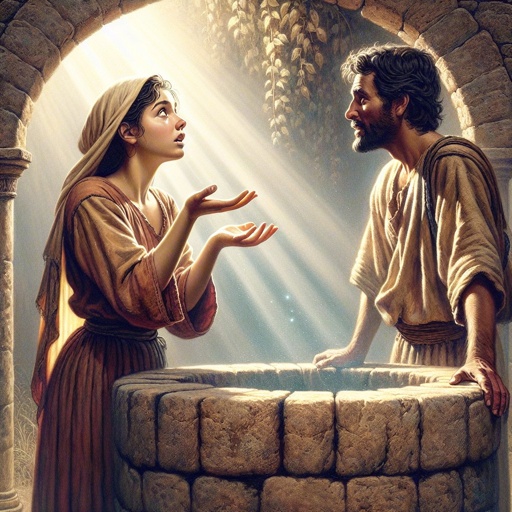
John 4:11 - "The woman saith unto him, Sir, thou hast nothing to draw with, and the well is deep: from whence then hast thou that living water?"
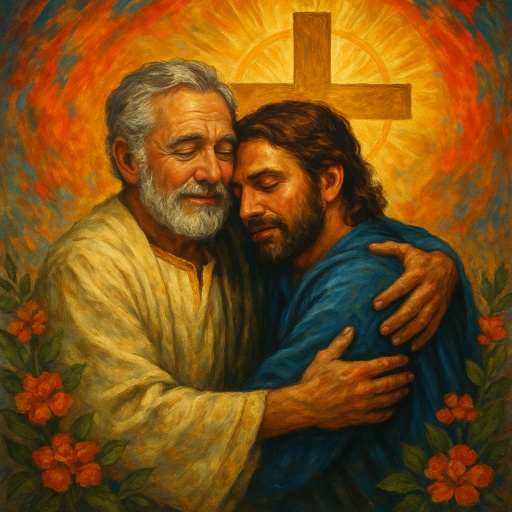
"Beloved, if God so loved us, we ought also to love one another." - 1 John 4:11

1 John 4:11-12 - "Beloved, if God so loved us, we also ought to love one another. No one has ever seen God; if we love one another, God abides in us and his love is perfected in us."
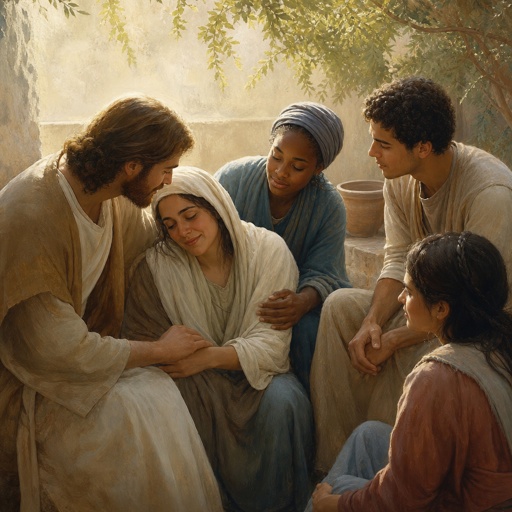
"Beloved, if God so loved us, we ought also to love one another." - 1 John 4:11
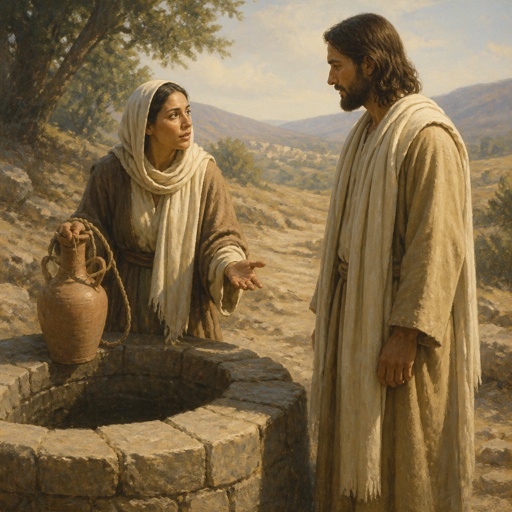
"The woman saith unto him, Sir, thou hast nothing to draw with, and the well is deep: from whence then hast thou that living water?" - John 4:11

"Beloved, if God so loved us, we also ought to love one another. No one has ever seen God; if we love one another, God abides in us and his love is perfected in us." - 1 John 4:11-12

John 8:4-11

John 11:4 - "When Jesus heard that, he said, This sickness is not unto death, but for the glory of God, that the Son of God might be glorified thereby."

Matthew 11:4 - "Jesus answered and said unto them, Go and shew John again those things which ye do hear and see:"

John (11:35) Jesus wept.

John (11:35) Jesus wept.

John (11:35) Jesus wept.

John 11:35

John 15.1-11

John 11:35

John (11:35) Jesus wept.

John (11:35) Jesus wept.

John (11:35) Jesus wept.

John (11:35) Jesus wept.
John 11:35 - "Jesus wept."

John (11:35) Jesus wept.

John (11:35) Jesus wept.

John (11:35) Jesus wept.

John (11:35) Jesus wept.

John (11:35) Jesus wept.

John (11:35) Jesus wept.

John (11:35) Jesus wept.

John 4:4 - "And he must needs go through Samaria."

John 20:11-12