What does John 4:33 mean?
“Therefore said the disciples one to another, Hath any man brought him ought to eat?” — John 4:33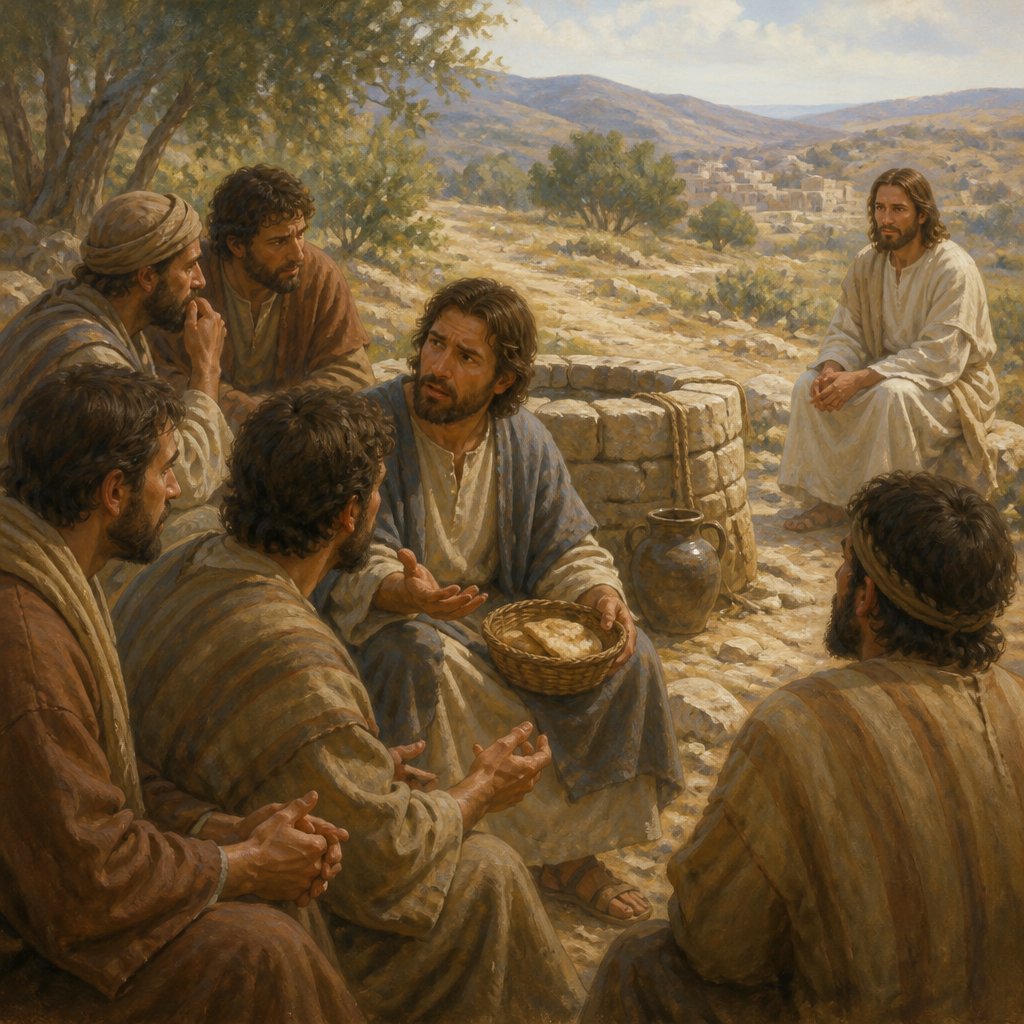
The Bible verse John 4:33 in the King James Version (KJV) reads, "Therefore said the disciples one to another, Hath any man brought him ought to eat?" This verse is part of the larger narrative of Jesus' encounter with the Samaritan woman at the well, which is a significant event in the Gospel of John.
In this verse, the disciples are questioning whether Jesus has been brought any food to eat. This question arises after Jesus has been speaking to the Samaritan woman, and the disciples, being concerned for his well-being, wonder if someone has provided him with food. This seemingly innocent question from the disciples reveals more than just their concern for Jesus' physical needs; it also reflects a lack of understanding of Jesus' true mission and purpose.
The broader context of this verse is crucial to its full interpretation. In the preceding verses, Jesus had engaged in a conversation with the Samaritan woman at the well, breaking cultural and religious barriers by speaking to a woman and a Samaritan. He revealed his true identity to her as the Messiah, and she, in turn, left her water pot and went into the city to tell the men that she had met a man who told her all things that she did. As a result, many Samaritans believed in Jesus because of the woman's testimony.
The disciples, on the other hand, had gone into the city to buy food, and when they returned, they found Jesus conversing with the Samaritan woman. This interaction with the Samaritan woman and the disciples' reaction to it are significant in understanding the themes and symbolism of this verse.
One of the key themes in this verse is the misunderstanding of Jesus' mission. The disciples' question about whether Jesus had been brought food to eat reveals their preoccupation with physical sustenance and their failure to grasp the spiritual nourishment that Jesus was focused on. Jesus uses this opportunity to teach his disciples about the true nature of his mission, which is to do the will of the Father and to bring spiritual nourishment and salvation to all people, regardless of their social or cultural background.
The encounter with the Samaritan woman and the disciples' reaction also highlights the theme of inclusivity in Jesus' ministry. By engaging in a conversation with the Samaritan woman, Jesus demonstrates his concern for all people, regardless of their ethnicity or social status. This challenges the disciples' preconceived notions and biases, as they were surprised to find Jesus speaking with a Samaritan woman. This theme continues throughout the Gospel of John, as Jesus consistently reaches out to those who are marginalized or considered outsiders in society.
The symbolism in this verse is also significant. The disciples' focus on physical food can be seen as a metaphor for their limited understanding of Jesus' ministry. Jesus' response to their question serves as a reminder that his nourishment comes from doing the will of the Father and fulfilling his mission to bring salvation to the world. This spiritual nourishment is the true sustenance that Jesus offers to all who believe in him.
In conclusion, John 4:33 in the King James Version is a verse that reveals the disciples' limited understanding of Jesus' mission and their preoccupation with physical needs. It also highlights Jesus' inclusivity in his ministry and the importance of spiritual nourishment. This verse serves as a reminder for believers to focus on the things of God and to recognize the true mission and purpose of Jesus. It challenges us to break down barriers and reach out to others with the love and message of Christ, regardless of their background or status.
Get our apps


Artwork for John 4:33

John 4:33 - "Therefore said the disciples one to another, Hath any man brought him ought to eat?"
"Therefore said the disciples one to another, Hath any man brought him ought to eat?" - John 4:33

John 16:33

John 16:33

John 16:33

John 16:33

John 16:33

John 16:33

John 16 : 33

John 1:33

John 5:33 - "Ye sent unto John, and he bare witness unto the truth."

John 9:33 - "If this man were not of God, he could do nothing."

John 12:33 - "This he said, signifying what death he should die."

John 19:33 - "But when they came to Jesus, and saw that he was dead already, they brake not his legs:"

"Ye sent unto John, and he bare witness unto the truth." - John 5:33

John 3:33 - "He that hath received his testimony hath set to his seal that God is true."

Mark 14:33 - "And he taketh with him Peter and James and John, and began to be sore amazed, and to be very heavy;"

John 6:33 - "For the bread of God is he which cometh down from heaven, and giveth life unto the world."

John 18:33 - "Then Pilate entered into the judgment hall again, and called Jesus, and said unto him, Art thou the King of the Jews?"

Luke 7:33 - "For John the Baptist came neither eating bread nor drinking wine; and ye say, He hath a devil."
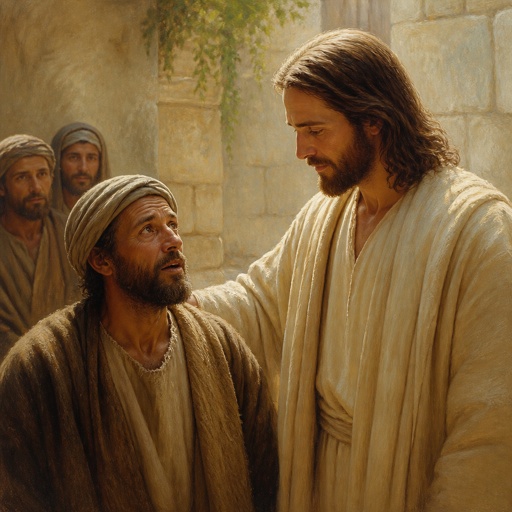
"If this man were not of God, he could do nothing." - John 9:33
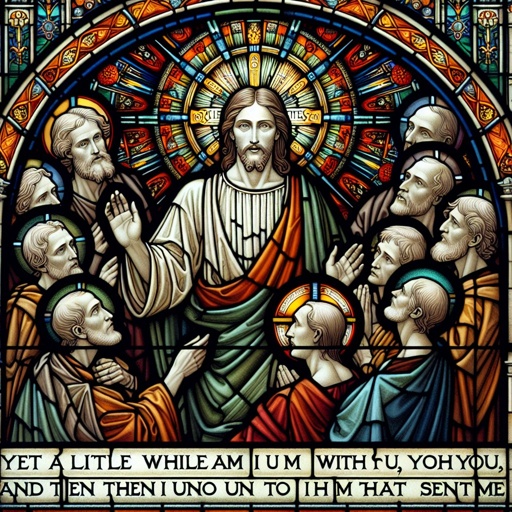
John 7:33 - "Then said Jesus unto them, Yet a little while am I with you, and then I go unto him that sent me."

John 11:33 - "When Jesus therefore saw her weeping, and the Jews also weeping which came with her, he groaned in the spirit, and was troubled,"

Deuteronomy 33:4 - "Moses commanded us a law, even the inheritance of the congregation of Jacob."

Psalms 33:4 - "For the word of the LORD is right; and all his works are done in truth."

John 10:33 - "The Jews answered him, saying, For a good work we stone thee not; but for blasphemy; and because that thou, being a man, makest thyself God."

Luke 5:33 - "¶ And they said unto him, Why do the disciples of John fast often, and make prayers, and likewise the disciples of the Pharisees; but thine eat and drink?"

John 8:33 - "¶ They answered him, We be Abraham's seed, and were never in bondage to any man: how sayest thou, Ye shall be made free?"

John 4:4 - "And he must needs go through Samaria."

"This he said, signifying what death he should die." - John 12:33