What does John 4:49 mean?
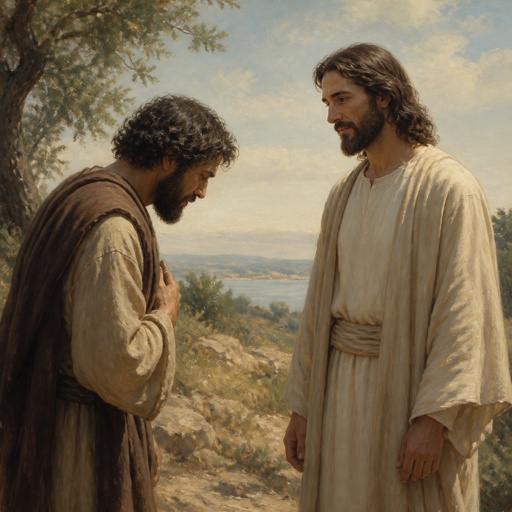
“The nobleman saith unto him, Sir, come down ere my child die.” — John 4:49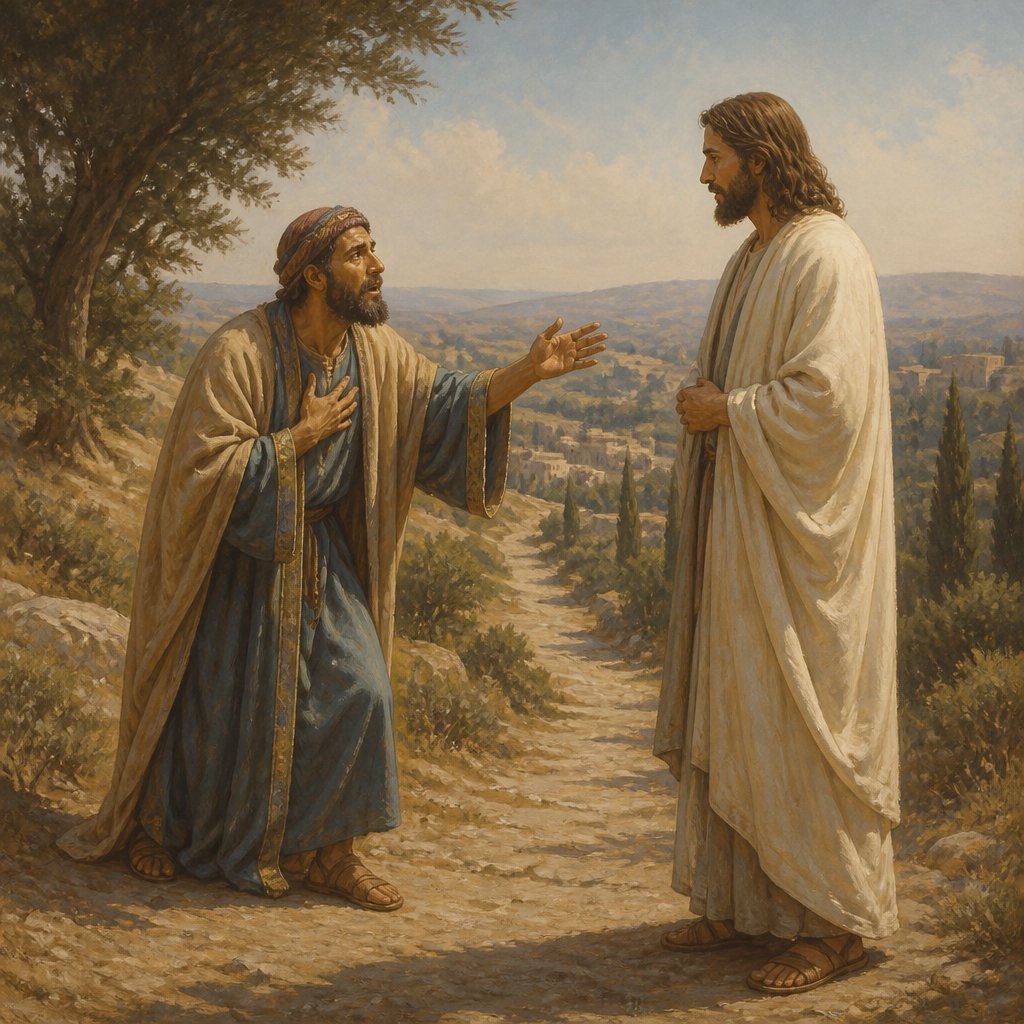
John 4:49 (KJV) reads, "The nobleman saith unto him, Sir, come down ere my child die."
This verse is part of the story of the healing of the nobleman's son, which is found in John 4:46-54. In this passage, a nobleman comes to Jesus seeking help for his sick son. The nobleman pleads with Jesus to come and heal his child before it's too late. This story is significant because it demonstrates the power of Jesus to heal and the importance of having faith in him.
The context of this passage is important for understanding its full meaning. In John 4:43-45, Jesus returns to Galilee and is welcomed by the people there. During this time, there was a man of authority whose son was sick in Capernaum. This man travels to find Jesus, seeking his help for his son's illness. When he finds Jesus, he urgently implores him to come and heal his son before it's too late. The nobleman's desperation is evident in his plea to Jesus, "Sir, come down ere my child die."
This passage highlights the nobleman's faith in Jesus, even though he is not yet a follower of Jesus. The nobleman's faith is evident in his belief that Jesus has the power to heal his son and his urgency in seeking Jesus' help. Despite his high position in society, the nobleman humbles himself before Jesus in seeking his help for his son's illness. This demonstrates an important theme of humility and faith, as well as the universality of human suffering and the need for divine intervention.
Another important theme in this passage is the power and authority of Jesus. The nobleman recognizes Jesus as a man of authority and believes that he has the power to heal his son. The act of healing at a distance (as Jesus does in this story) demonstrates his divine authority and power. This miracle serves as a powerful demonstration of Jesus' ability to heal and to bring hope in seemingly hopeless situations.
The symbolism in this passage further enriches its meaning. The nobleman's son represents all people who are in need of healing and salvation. His desperate plea for Jesus' help reflects the universal human condition of suffering and the need for spiritual healing. Jesus' healing of the nobleman's son symbolizes his ability to bring healing and restoration to all who seek him in faith.
Overall, John 4:49 is a powerful and moving passage that demonstrates the themes of faith, humility, and the authority of Jesus. It also serves as a reminder of the universal need for healing and the hope that comes through faith in Jesus. This story continues to inspire and encourage believers to seek Jesus in times of desperate need and to trust in his power to bring healing and restoration.
Get our apps


Artwork for John 4:49

John 4:49 - "The nobleman saith unto him, Sir, come down ere my child die."
"The nobleman saith unto him, Sir, come down ere my child die." - John 4:49

John 7:49 - "But this people who knoweth not the law are cursed."

John 6:49 - "Your fathers did eat manna in the wilderness, and are dead."

"But this people who knoweth not the law are cursed." - John 7:49

John 8:49 - "Jesus answered, I have not a devil; but I honour my Father, and ye do dishonour me."
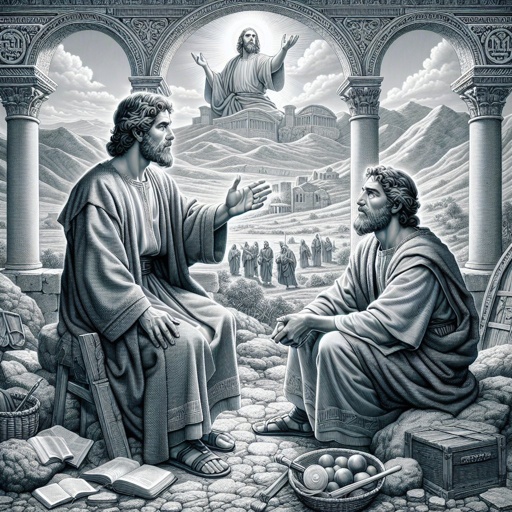
John 1:49 - "Nathanael answered and saith unto him, Rabbi, thou art the Son of God; thou art the King of Israel."

"Your fathers did eat manna in the wilderness, and are dead." - John 6:49

John 11:49 - "And one of them, named Caiaphas, being the high priest that same year, said unto them, Ye know nothing at all,"

1 John 4:9 - "In this was manifested the love of God toward us, because that God sent his only begotten Son into the world, that we might live through him."

"In this was manifested the love of God toward us, because that God sent his only begotten Son into the world, that we might live through him." - 1 John 4:9

John 1:49 - "Nathanael answered and saith unto him, Rabbi, thou art the Son of God; thou art the King of Israel."

Luke 9:49 - "¶ And John answered and said, Master, we saw one casting out devils in thy name; and we forbad him, because he followeth not with us."

John 1:49 - "Nathanael answered and saith unto him, Rabbi, thou art the Son of God; thou art the King of Israel."

John 12:49 - "For I have not spoken of myself; but the Father which sent me, he gave me a commandment, what I should say, and what I should speak."

Deuteronomy 4:49 - "And all the plain on this side Jordan eastward, even unto the sea of the plain, under the springs of Pisgah."

Psalms 49:4 - "I will incline mine ear to a parable: I will open my dark saying upon the harp."

John 4:9 - "Then saith the woman of Samaria unto him, How is it that thou, being a Jew, askest drink of me, which am a woman of Samaria? for the Jews have no dealings with the Samaritans."

Jeremiah 49:4 - "Wherefore gloriest thou in the valleys, thy flowing valley, O backsliding daughter? that trusted in her treasures, saying, Who shall come unto me?"

Genesis 49:4 - "Unstable as water, thou shalt not excel; because thou wentest up to thy father's bed; then defiledst thou it: he went up to my couch."
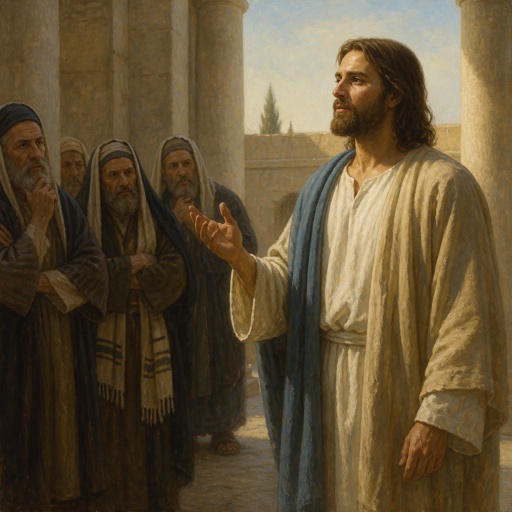
"Jesus answered, I have not a devil; but I honour my Father, and ye do dishonour me." - John 8:49

John 4:4 - "And he must needs go through Samaria."

Jesus said, ‘Your fathers ate manna in the desert and they are dead…’ (Jn 6:49)
"Nathanael answered and saith unto him, Rabbi, thou art the Son of God; thou art the King of Israel." - John 1:49

Numbers 4:49 - "According to the commandment of the LORD they were numbered by the hand of Moses, every one according to his service, and according to his burden: thus were they numbered of him, as the LORD commanded Moses."

Isaiah 49:4 - "Then I said, I have laboured in vain, I have spent my strength for nought, and in vain: yet surely my judgment is with the LORD, and my work with my God."

John 4:16

John 3:4

John 4:16

John 4:16