What does John 4:52 mean?
“Then enquired he of them the hour when he began to amend. And they said unto him, Yesterday at the seventh hour the fever left him.” — John 4:52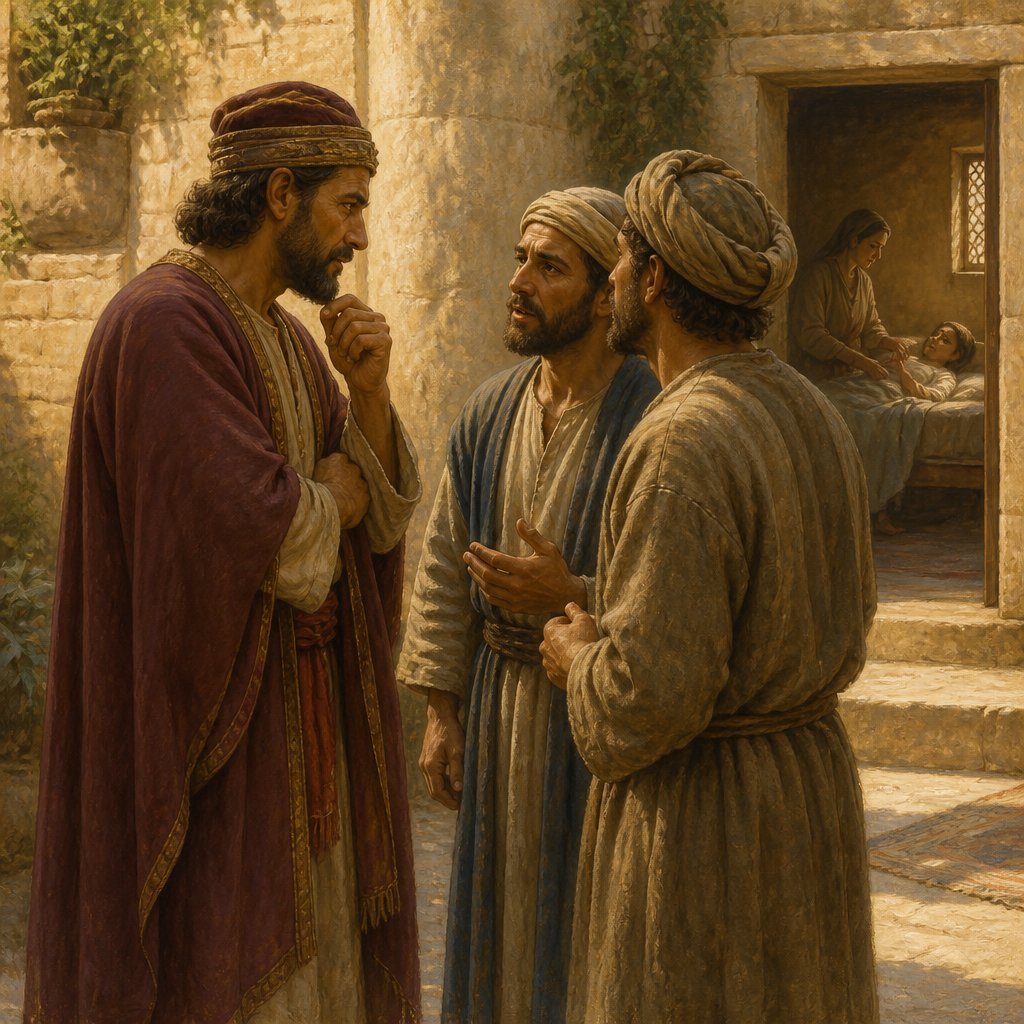
John 4:52 in the King James Version (KJV) of the Bible reads: "Then enquired he of them the hour when he began to amend. And they said unto him, Yesterday at the seventh hour the fever left him."
This verse comes from the New Testament and is part of the story of Jesus healing an official's son in the town of Capernaum. The official had come to Jesus in desperation, pleading for him to heal his dying son. Instead of accompanying the official to his house, Jesus simply told him, "Go thy way; thy son liveth" (John 4:50).
The official then believed Jesus and went back home. On his way, he was greeted by his servants who told him that his son had indeed recovered. The official inquired about the exact time of his son's recovery, and his servants informed him that the fever had left his son at the seventh hour the day before, which was the exact time that Jesus had told him, "Thy son liveth."
This story is significant for several reasons. First and foremost, it illustrates the power and authority of Jesus to heal and perform miracles, even from a distance. The official's faith and belief in Jesus' words were rewarded with the miraculous healing of his son. This demonstrates the importance of faith in receiving God's blessings and miracles. It also emphasizes Jesus' compassion and willingness to help those in need, regardless of their social status or background.
Furthermore, the specific mention of the "seventh hour" and "yesterday" in this verse adds a layer of symbolism and significance. The number seven holds great biblical significance, often representing completeness, perfection, and rest. In this context, the healing of the official's son at the seventh hour can be seen as a symbol of God's perfect timing and completion of healing. It also symbolizes the rest and relief that comes from trusting in Jesus' power and promises.
The mention of "yesterday" also carries symbolic weight, as it reminds us of the past and the reality of the official's son being afflicted with a potentially deadly illness. In a broader sense, it serves as a reminder of our own past struggles and challenges, and the hope and healing that can come from placing our faith in Jesus.
The context of this verse within the larger narrative of Jesus' ministry also sheds light on its meaning. Throughout the Gospels, healing miracles serve as physical manifestations of Jesus' spiritual power and authority as the Son of God. These miracles were not only evidence of Jesus' divinity but also symbols of the greater spiritual healing and restoration that he offers to all who believe in him.
Additionally, the story of the official's son reflects the theme of faith and belief in Jesus' words. The official's initial plea for Jesus to come and heal his son, followed by his belief in Jesus' spoken assurance, serves as a powerful example of faith leading to miraculous results. This theme of faith and its role in experiencing God's power and miracles is a central message in the New Testament and continues to be relevant for believers today.
In conclusion, John 4:52 from the King James Version of the Bible offers a rich and meaningful portrayal of Jesus' healing power, the importance of faith, and the divine timing of God's miracles. Through the story of the official's son, we are reminded of the transformative and restorative power of Jesus, as well as the significance of placing our trust in his words. This verse serves as a testament to the enduring relevance and power of Jesus' ministry and teachings, inspiring believers to seek healing and hope through faith in him.
Get our apps


Artwork for John 4:52

John 4:52 - "Then enquired he of them the hour when he began to amend. And they said unto him, Yesterday at the seventh hour the fever left him."
"Then enquired he of them the hour when he began to amend. And they said unto him, Yesterday at the seventh hour the fever left him." - John 4:52

John 11:52 - "And not for that nation only, but that also he should gather together in one the children of God that were scattered abroad."

John 7:52 - "They answered and said unto him, Art thou also of Galilee? Search, and look: for out of Galilee ariseth no prophet."
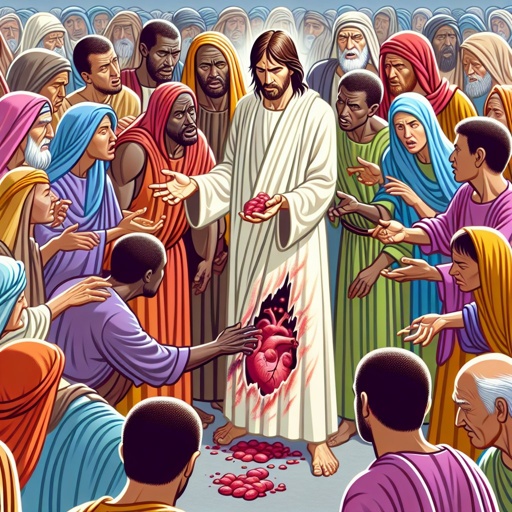
John 6:52 - "The Jews therefore strove among themselves, saying, How can this man give us his flesh to eat?"

Psalms 52:4 - "Thou lovest all devouring words, O thou deceitful tongue."

Isaiah 52:4 - "For thus saith the Lord GOD, My people went down aforetime into Egypt to sojourn there; and the Assyrian oppressed them without cause."
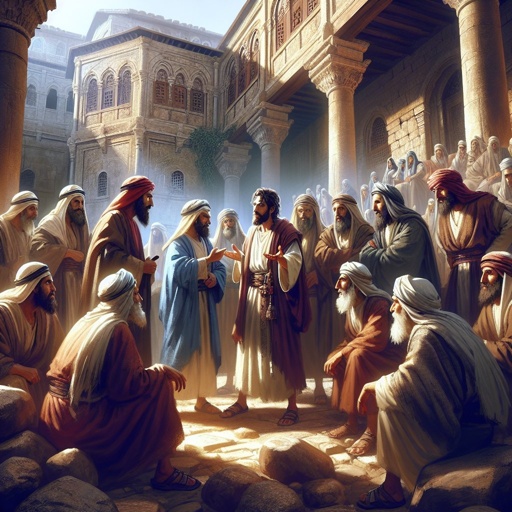
John 8:52 - "Then said the Jews unto him, Now we know that thou hast a devil. Abraham is dead, and the prophets; and thou sayest, If a man keep my saying, he shall never taste of death."

"Thou lovest all devouring words, O thou deceitful tongue." - Psalms 52:4

"And not for that nation only, but that also he should gather together in one the children of God that were scattered abroad." - John 11:52
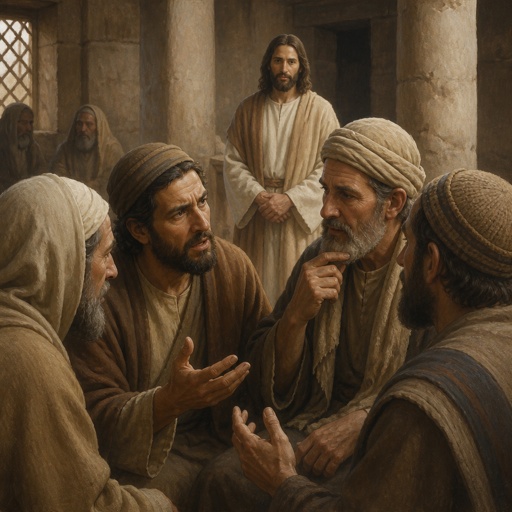
"The Jews therefore strove among themselves, saying, How can this man give us his flesh to eat?" - John 6:52
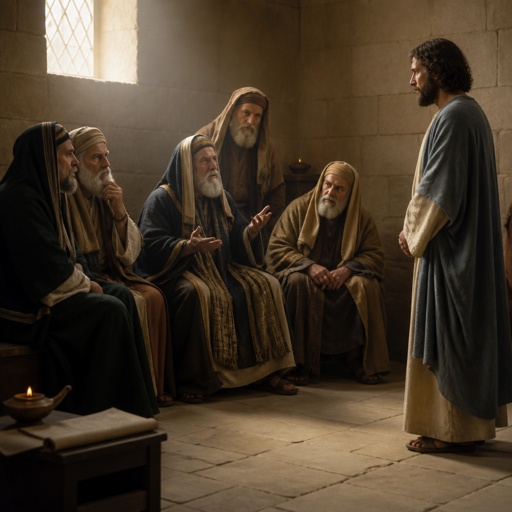
"They answered and said unto him, Art thou also of Galilee? Search, and look: for out of Galilee ariseth no prophet." - John 7:52

John 4:4 - "And he must needs go through Samaria."

Jeremiah 52:4 - "¶ And it came to pass in the ninth year of his reign, in the tenth month, in the tenth day of the month, that Nebuchadrezzar king of Babylon came, he and all his army, against Jerusalem, and pitched against it, and built forts against it round about."

John 4:16

John 3:4

John 4:16

John 4:16

John 4:16

John 4:16

John 4:16

John 4:16

John 4:16

John 3:4

John 4:16

John 4:16

John 4:16

John 4:16

John 4:16

John 4:16