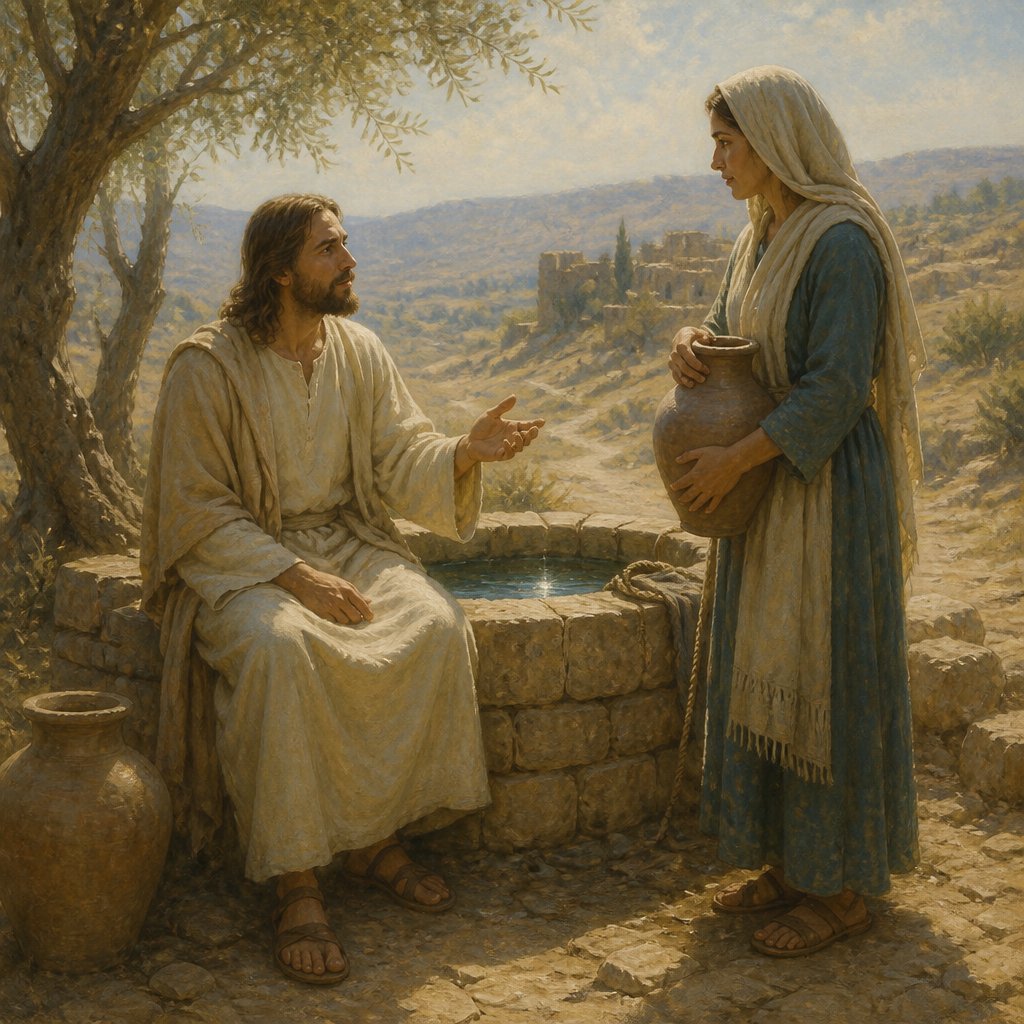
In John 4:9-10 of the King James Version (KJV) of the Bible, the verse reads: "Then saith the woman of Samaria unto him, How is it that thou, being a Jew, askest drink of me, which am a woman of Samaria? for the Jews have no dealings with the Samaritans. Jesus answered and said unto her, If thou knewest the gift of God, and who it is that saith to thee, Give me to drink; thou wouldest have asked of him, and he would have given thee living water." This passage comes from the story of Jesus' encounter with the Samaritan woman at the well, which is a significant narrative in the Gospel of John.
The historical and cultural context of this passage is crucial to understanding its significance. The Jews and Samaritans had a deep-seated animosity towards each other. The Jews considered the Samaritans to be racially impure and religiously unorthodox, and they generally avoided all contact with them. The fact that Jesus, a Jew, asked for water from the Samaritan woman was shocking and went against the societal norms of the time.
The theme of this passage is the universal offer of salvation. Jesus' interaction with the Samaritan woman at the well demonstrates his willingness to reach out to those who are considered outsiders or marginalized. The Samaritan woman represents those who are shunned or disregarded by society, and Jesus' willingness to engage with her signifies the inclusivity of his message. This theme of inclusivity and salvation is a central tenet of Jesus' ministry, and it is a message that transcends cultural and societal boundaries.
Additionally, Jesus' reference to "living water" in verse 10 carries a deep symbolic meaning. In the context of the Gospel of John, "living water" is a metaphor for the eternal life that Jesus offers. By using this metaphor, Jesus is drawing attention to the spiritual thirst that exists within all people and the divine satisfaction that he alone can provide. This concept of "living water" is also echoed in other parts of the Bible, such as Jeremiah 2:13 and Revelation 21:6, where it represents a source of spiritual nourishment and renewal.
Another important aspect of this passage is the revelation of Jesus' identity as the Messiah. In verse 10, Jesus tells the Samaritan woman, "If thou knewest the gift of God, and who it is that saith to thee, Give me to drink," highlighting the significance of his presence and the gift of salvation that he brings. This revelation of Jesus' identity as the Messiah is a pivotal moment in the narrative, as it foreshadows the woman's eventual recognition of Jesus as the Savior. This theme of revelation and recognition plays a significant role in the Gospel of John, as it emphasizes the importance of faith and understanding in one's relationship with Jesus.
In conclusion, John 4:9-10 from the King James Version of the Bible is a rich and profound passage with multiple layers of meaning and significance. It offers insight into Jesus' inclusive message of salvation, his identity as the Messiah, and the symbolism of "living water" as a source of spiritual nourishment. The historical and cultural context adds depth to the narrative, highlighting the radical nature of Jesus' engagement with the Samaritan woman. Overall, this passage serves as a powerful reminder of the universal nature of Jesus' message and the transformative power of his offer of "living water" to all who seek it.
Get our apps


Artwork for John 4:9-10

1 John 4:9-10 - "In this was manifested the love of God toward us, because that God sent his only begotten Son into the world, that we might live through him. Herein is love, not that we loved God, but that he loved us, and sent his Son to be the propitiation for our sins."

John 4:9-10 - "Then saith the woman of Samaria unto him, How is it that thou, being a Jew, askest drink of me, which am a woman of Samaria? for the Jews have no dealings with the Samaritans. Jesus answered and said unto her, If thou knewest the gift of God, and who it is that saith to thee, Give me to drink; thou wouldest have asked of him, and he would have given thee living water."
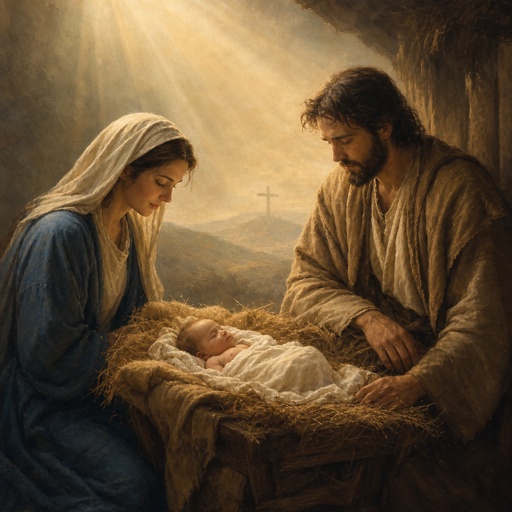
"In this was manifested the love of God toward us, because that God sent his only begotten Son into the world, that we might live through him. Herein is love, not that we loved God, but that he loved us, and sent his Son to be the propitiation for our sins." - 1 John 4:9-10
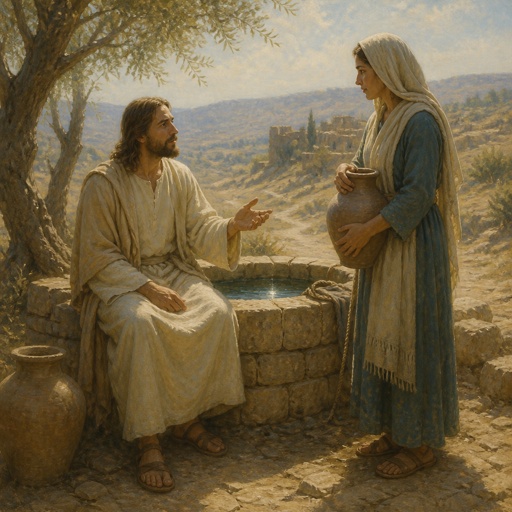
"Then saith the woman of Samaria unto him, How is it that thou, being a Jew, askest drink of me, which am a woman of Samaria? for the Jews have no dealings with the Samaritans. Jesus answered and said unto her, If thou knewest the gift of God, and who it is that saith to thee, Give me to drink; thou wouldest have asked of him, and he would have given thee living water." - John 4:9-10

John 9:10

John 10:9

John 10:9

John 10:9

John 15:9-10

John 15:9-10

John 13:4-9

John 9:10 - "Therefore said they unto him, How were thine eyes opened?"

John 10:9 - "I am the door: by me if any man enter in, he shall be saved, and shall go in and out, and find pasture."

John 9:4 - "I must work the works of him that sent me, while it is day: the night cometh, when no man can work."

1 John 4:9 - "In this was manifested the love of God toward us, because that God sent his only begotten Son into the world, that we might live through him."

1 John 4:10 - "Herein is love, not that we loved God, but that he loved us, and sent his Son to be the propitiation for our sins."

"In this was manifested the love of God toward us, because that God sent his only begotten Son into the world, that we might live through him." - 1 John 4:9

"Two are better than one, because they have a good return for their labor: If either of them falls down, one can help the other up. But pity anyone who falls and has no one to help them up." - Ecclesiastes 4:9-10

John 10:4 - "And when he putteth forth his own sheep, he goeth before them, and the sheep follow him: for they know his voice."
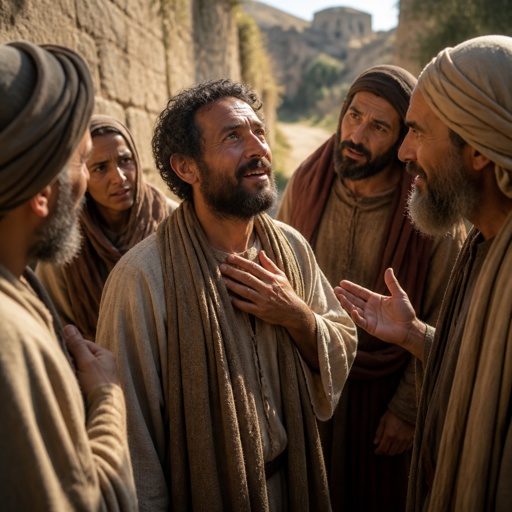
"Therefore said they unto him, How were thine eyes opened?" - John 9:10

John 10:9-10 - "I am the door: by me if any man enter in, he shall be saved, and shall go in and out, and find pasture. The thief cometh not, but for to steal, and to kill, and to destroy: I am come that they might have life, and that they might have it more abundantly."

John 4:9 - "Then saith the woman of Samaria unto him, How is it that thou, being a Jew, askest drink of me, which am a woman of Samaria? for the Jews have no dealings with the Samaritans."

John 10:10

John 10:10

John 10:10

John 10:10

John 10:10

John 10:10

John 10:10

Matthew 10:2-4…Matthew 10:2-4 New International Version 2 These are the names of the twelve apostles: first, Simon (who is called Peter) and his brother Andrew; James son of Zebedee, and his brother John; 3 Philip and Bartholomew; Thomas and Matthew the tax collector; James son of Alphaeus, and Thaddaeus; 4 Simon the Zealot and Judas Iscariot, who betrayed him.