What does John 5:16 mean?
"And therefore did the Jews persecute Jesus, and sought to slay him, because he had done these things on the sabbath day." - John 5:16
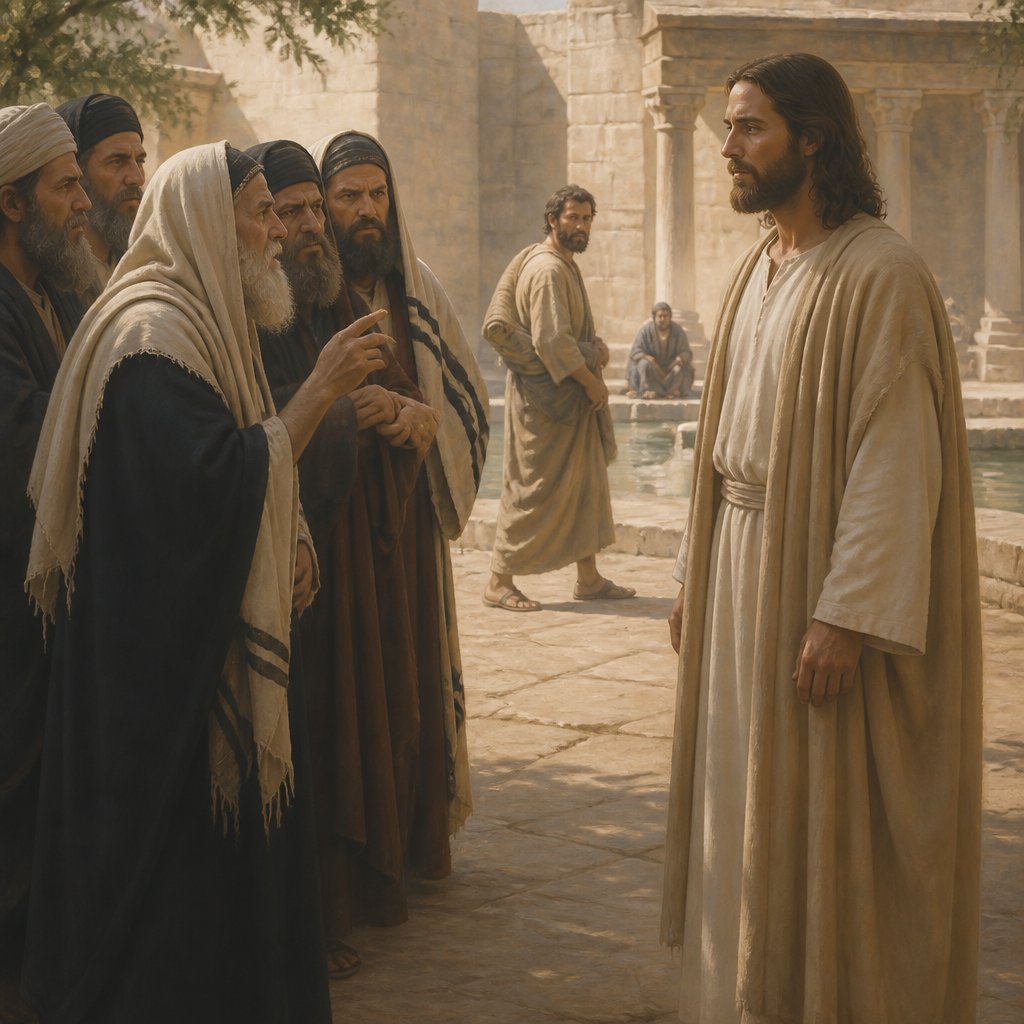
John 5:16 in the King James Version of the Bible reads, "And therefore did the Jews persecute Jesus, and sought to slay him, because he had done these things on the sabbath day."
This verse occurs in the larger context of the healing of the paralyzed man at the Pool of Bethesda in Jerusalem. In this passage, Jesus encounters a man who had been paralyzed for 38 years and asks him if he wants to be healed. The man replies that he has no one to help him into the healing waters of the pool when they are stirred up. Jesus then tells the man to rise, take up his bed, and walk - and the man is immediately healed. The healing takes place on the Sabbath, which angers the religious leaders because they see it as a violation of the Sabbath law.
The verse highlights the ongoing conflict between Jesus and the religious authorities of the time. The Jews were upset with Jesus because they believed he had violated the Sabbath by healing the paralyzed man. In their eyes, Jesus had broken the law by performing work on the Sabbath. This incident is just one of many in the Gospels where Jesus' actions and teachings come into conflict with the religious leaders of his day.
This verse has significant implications for several themes present in the New Testament, particularly the tension between the Jewish religious establishment and Jesus. Throughout the Gospels, we see Jesus challenging the traditions and interpretations of the Jewish leaders, often in the name of mercy and compassion. In this case, Jesus' healing of the paralyzed man on the Sabbath was a direct challenge to the legalistic approach to the Sabbath observance that the religious leaders held.
The passage also raises questions about the nature of the Sabbath itself. For the religious leaders, the Sabbath was a sacred day of rest and worship, and any work done on that day was seen as a violation of the commandment to keep the Sabbath holy. Jesus, however, consistently demonstrated that acts of mercy and compassion were not in conflict with the spirit of the Sabbath. In fact, he often used the Sabbath as an opportunity to do good and bring healing to others.
Furthermore, this verse also speaks to the broader issue of religious legalism and the prioritization of rules over love and compassion. Throughout his ministry, Jesus confronted the Pharisees and other religious leaders about their rigid adherence to the letter of the law at the expense of the love and mercy that the law was meant to promote. In this instance, the religious leaders were more concerned with Jesus' perceived violation of the Sabbath than with the miraculous healing that had taken place before their eyes.
Symbolically, this passage demonstrates Jesus' authority and power over the Sabbath and the religious establishment. By healing the man on the Sabbath, Jesus demonstrated that he was the Lord of the Sabbath (Mark 2:28) and that his mission to bring healing and restoration to the world took precedence over traditional religious observance. This verse also foreshadows the ultimate conflict between Jesus and the religious leaders that would lead to his crucifixion.
In conclusion, John 5:16 is a pivotal verse in the Gospels that underscores the themes of conflict between Jesus and the religious authorities, the nature of the Sabbath, and the tension between religious legalism and the compassion and mercy that Jesus embodied. It serves as a reminder of Jesus' radical teachings and his willingness to challenge the status quo in order to bring about the Kingdom of God.
Have questions about John 5:16?
Dive deeper into this scripture with Bible Chat — an AI-powered tool for exploring God's Word through conversation. Ask questions, get context, and grow in your understanding of the Bible.
Get Our Apps


John 5:16 Artwork

John 5:16 - "And therefore did the Jews persecute Jesus, and sought to slay him, because he had done these things on the sabbath day."

1 John 5:16 - "If any man see his brother sin a sin which is not unto death, he shall ask, and he shall give him life for them that sin not unto death. There is a sin unto death: I do not say that he shall pray for it."
"And therefore did the Jews persecute Jesus, and sought to slay him, because he had done these things on the sabbath day." - John 5:16

1 John 5:16-17 - "If anyone sees his brother committing a sin not leading to death, he shall ask, and God will give him life—to those who commit sins that do not lead to death. There is sin that leads to death; I do not say that one should pray for that. All wrongdoing is sin, but there is sin that does not lead to death."

John 5:16-18 - "So, because Jesus was doing these things on the Sabbath, the Jewish leaders began to persecive Him. But Jesus said to them, "My Father is always at His work to this very day, and I too am working." For this reason they tried all the more to kill Him; not only was He breaking the Sabbath, but He was even calling God His own Father, making Himself equal with God."
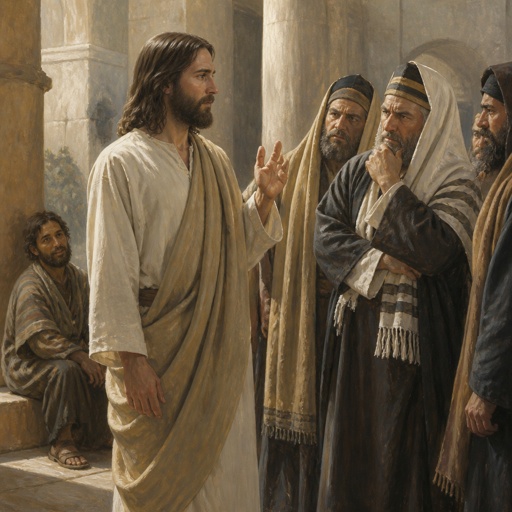
"So, because Jesus was doing these things on the Sabbath, the Jewish leaders began to persecive Him. But Jesus said to them, "My Father is always at His work to this very day, and I too am working." For this reason they tried all the more to kill Him; not only was He breaking the Sabbath, but He was even calling God His own Father, making Himself equal with God." - John 5:16-18
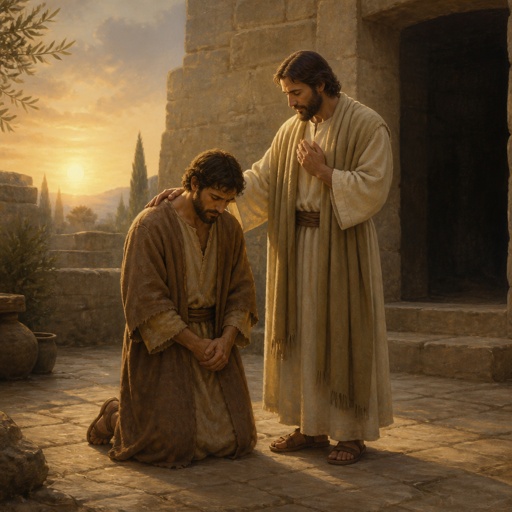
"If any man see his brother sin a sin which is not unto death, he shall ask, and he shall give him life for them that sin not unto death. There is a sin unto death: I do not say that he shall pray for it." - 1 John 5:16

"If anyone sees his brother committing a sin not leading to death, he shall ask, and God will give him life—to those who commit sins that do not lead to death. There is sin that leads to death; I do not say that one should pray for that. All wrongdoing is sin, but there is sin that does not lead to death." - 1 John 5:16-17

John 16:5 - "But now I go my way to him that sent me; and none of you asketh me, Whither goest thou?"

Juan 5, 1-16

John 16:33

John 16:33

John 16:33

John 16:33
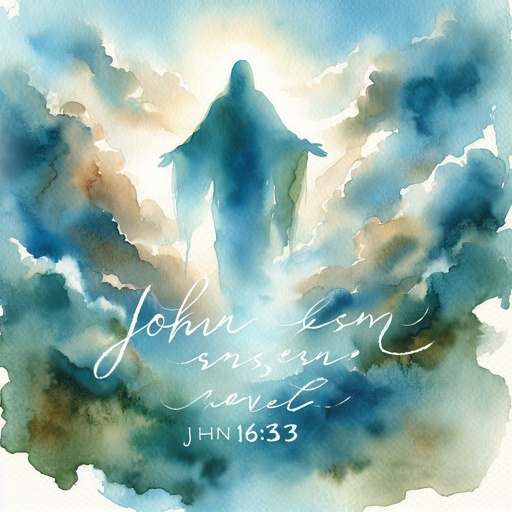
John 16:33

John 16:33

John 3:16

John 4:16

John 3:16

john 3:16

John 3:16

John 3:16

John 4:16

John 4:16

John 4:16

John 14:16

John 3:16

John 3:16

John 3:16

John 16 : 33