What does John 5:16-18 mean?
"Verse: 16 And therefore did the Jews persecute Jesus, and sought to slay him, because he had done these things on the sabbath day. 17 But Jesus answered them, My Father worketh hitherto, and I work. 18 Therefore the Jews sought the more to kill him, because he not only had broken the sabbath, but said also that God was his Father, making himself equal with God." - John 5:16-18
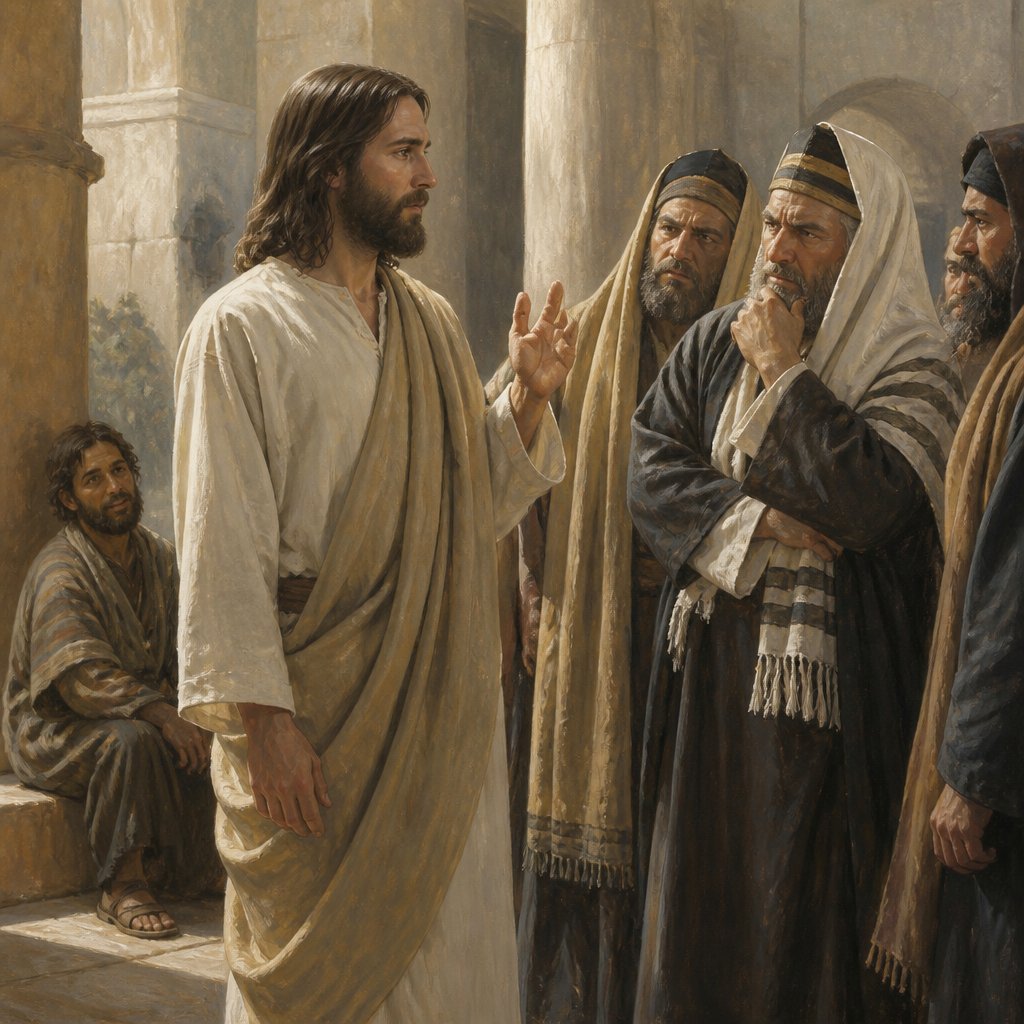
John 5:16-18 in the King James Version reads, "And therefore did the Jews persecute Jesus, and sought to slay him, because he had done these things on the sabbath day. But Jesus answered them, 'My Father worketh hitherto, and I work.' Therefore the Jews sought the more to kill him, because he not only had broken the sabbath, but said also that God was his father, making himself equal with God."
This passage takes place in the Gospel of John and is part of a larger narrative in which Jesus performs a miracle on the Sabbath and later defends his actions to a group of Jewish religious leaders. The passage provides a window into the escalating tension between Jesus and the Jewish religious establishment, as well as Jesus' insistence on his divine authority and identity as the Son of God.
One of the important themes in this passage is the conflict between the teachings and actions of Jesus and the religious traditions of the Jewish leaders. The observance of the Sabbath was an important aspect of Jewish religious practice, and working on the Sabbath was strictly prohibited. When Jesus performs a miracle on the Sabbath by healing a man who had been paralyzed for 38 years, he is immediately met with resistance and persecution from the religious leaders. They see his actions as a violation of the Sabbath and a challenge to their authority.
In response to their accusations, Jesus asserts his divinity and authority as the Son of God. He declares, "My Father worketh hitherto, and I work." This statement not only justifies his actions on the Sabbath but also asserts his equality with God. By claiming that God is his father and that he is doing the work of his father, Jesus is proclaiming his divine nature and his role as the Messiah. This assertion further provokes the Jewish leaders, leading them to seek to kill him for what they perceive as blasphemy.
The passage also reveals the growing hostility and opposition that Jesus faced from the religious authorities. The fact that the Jewish leaders sought to kill Jesus highlights the intensity of their animosity towards him and their determination to silence his teachings and quash his influence. Ultimately, this conflict sets the stage for Jesus' crucifixion, which is the culmination of the religious leaders' efforts to eliminate him as a threat to their power and authority.
Symbolically, this passage can be seen as a reflection of the broader theme of the clash between legalism and grace. The rigid adherence to the Sabbath laws by the Jewish leaders represents legalism, the strict adherence to religious rules and regulations. Jesus, on the other hand, represents grace and freedom from legalistic bondage. His actions on the Sabbath and his assertion of his divine authority demonstrate his role as the fulfillment of the law and the embodiment of God's grace and mercy.
In conclusion, John 5:16-18 provides a powerful insight into the escalating conflict between Jesus and the Jewish religious leaders, as well as the assertion of Jesus' divine authority and identity as the Son of God. The passage sheds light on the themes of opposition to Jesus' teachings, the clash between legalism and grace, and the growing hostility that ultimately leads to Jesus' crucifixion. It serves as a significant episode in the broader narrative of Jesus' ministry and his confrontation with the religious authorities, ultimately leading to the fulfillment of his mission through his sacrificial death and resurrection.
Have questions about John 5:16-18?
Dive deeper into this scripture with Bible Chat — an AI-powered tool for exploring God's Word through conversation. Ask questions, get context, and grow in your understanding of the Bible.
Get Our Apps


John 5:16-18 Artwork

John 5:16-18 - "So, because Jesus was doing these things on the Sabbath, the Jewish leaders began to persecive Him. But Jesus said to them, "My Father is always at His work to this very day, and I too am working." For this reason they tried all the more to kill Him; not only was He breaking the Sabbath, but He was even calling God His own Father, making Himself equal with God."
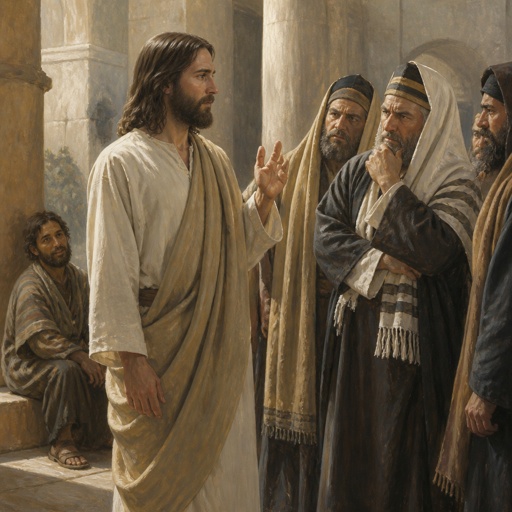
"So, because Jesus was doing these things on the Sabbath, the Jewish leaders began to persecive Him. But Jesus said to them, "My Father is always at His work to this very day, and I too am working." For this reason they tried all the more to kill Him; not only was He breaking the Sabbath, but He was even calling God His own Father, making Himself equal with God." - John 5:16-18

1 John 5:18

John 16:18 - "They said therefore, What is this that he saith, A little while? we cannot tell what he saith."

1 Thessalonians 5:16-18 - "Rejoice always, pray continually, give thanks in all circumstances; for this is God’s will for you in Christ Jesus."

John 5:16 - "And therefore did the Jews persecute Jesus, and sought to slay him, because he had done these things on the sabbath day."

John 16:5 - "But now I go my way to him that sent me; and none of you asketh me, Whither goest thou?"

1 John 5:18 - "We know that whosoever is born of God sinneth not; but he that is begotten of God keepeth himself, and that wicked one toucheth him not."

John 18:16 - "But Peter stood at the door without. Then went out that other disciple, which was known unto the high priest, and spake unto her that kept the door, and brought in Peter."

John 18:5 - "They answered him, Jesus of Nazareth. Jesus saith unto them, I am he. And Judas also, which betrayed him, stood with them."

Juan 5, 1-16

John 5:18 - "Therefore the Jews sought the more to kill him, because he not only had broken the sabbath, but said also that God was his Father, making himself equal with God."
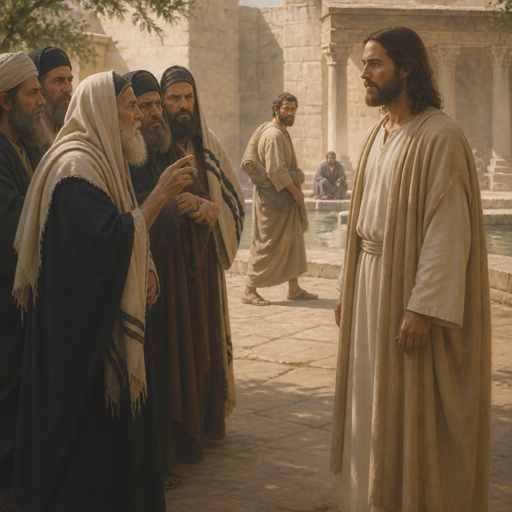
"And therefore did the Jews persecute Jesus, and sought to slay him, because he had done these things on the sabbath day." - John 5:16
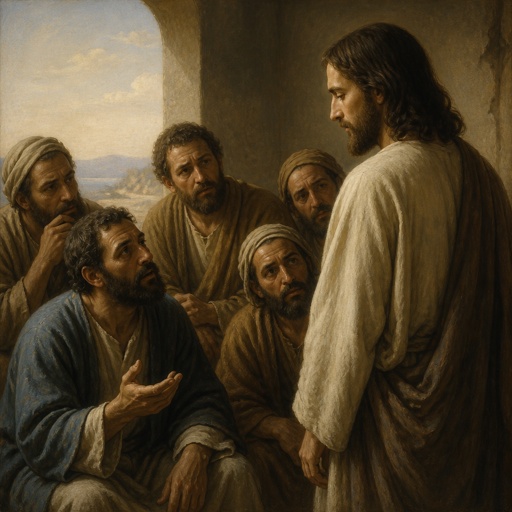
"They said therefore, What is this that he saith, A little while? we cannot tell what he saith." - John 16:18
"Rejoice always, pray continually, give thanks in all circumstances; for this is God’s will for you in Christ Jesus." - 1 Thessalonians 5:16-18

John 16:33

John 16:33

John 16:33

John 7:17-18

John 7:17-18

1 John 5:16 - "If any man see his brother sin a sin which is not unto death, he shall ask, and he shall give him life for them that sin not unto death. There is a sin unto death: I do not say that he shall pray for it."

John 7:17-18

John 7:17-18

John 18:25

john 18:36

John 16:33
John 16:33

John 16:33

John 3:16

John 4:16