What does John 5:17 mean?
“But Jesus answered them, My Father worketh hitherto, and I work.” — John 5:17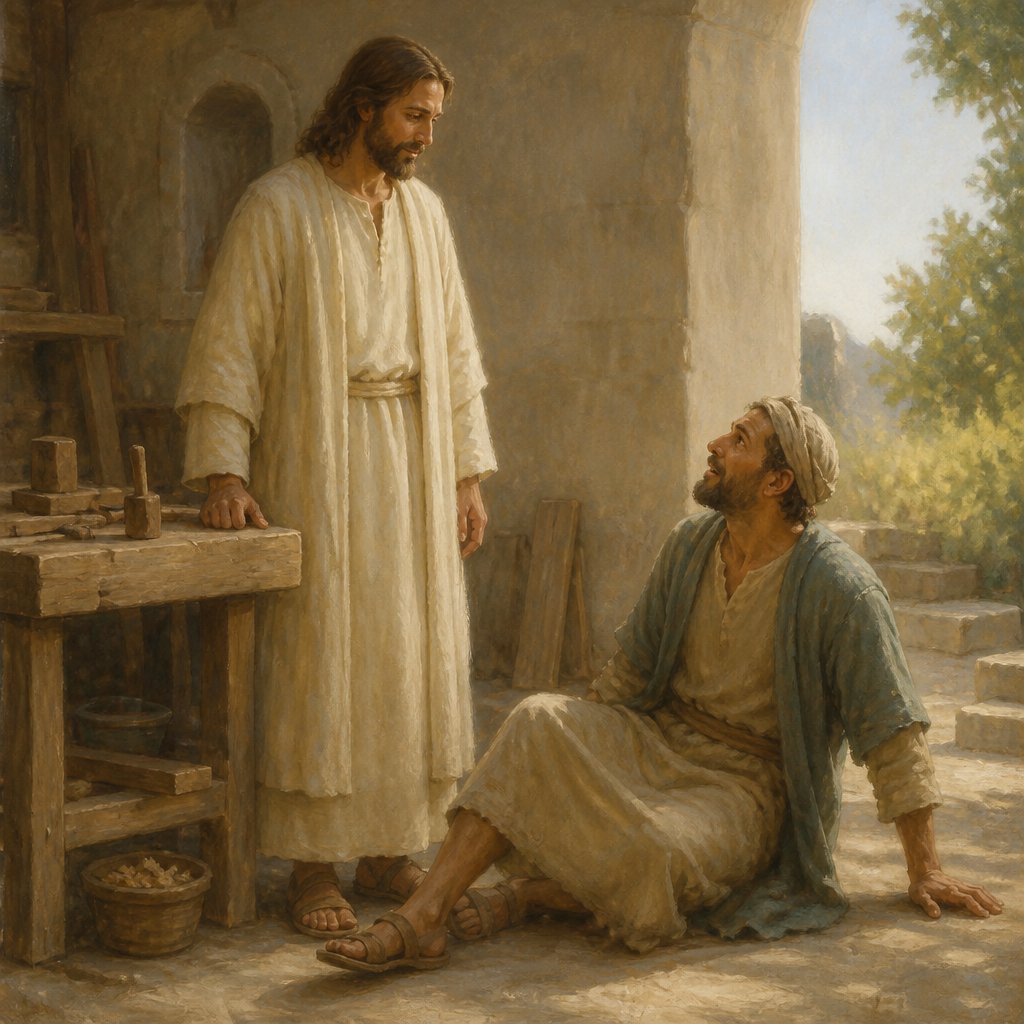
John 5:17 in the King James Version (KJV) of the Bible says, "But Jesus answered them, My Father worketh hitherto, and I work." This verse comes from a passage in the Gospel of John where Jesus heals a man on the Sabbath, and the religious leaders accuse him of breaking the Sabbath by doing work on that day.
In this verse, Jesus is responding to the accusations of the religious leaders by explaining that his work is an extension of the work of his Father. This statement demonstrates Jesus' close relationship with God the Father and his understanding of his divine purpose. It also challenges the traditional understanding of the Sabbath and emphasizes the continuous nature of God's work in the world.
One of the major themes in this verse is the relationship between Jesus and God the Father. Jesus refers to God as "My Father," indicating a close and intimate connection between them. This relationship is central to Christian belief and is foundational to understanding Jesus' identity as the Son of God. By equating his work with the work of God, Jesus is making a bold claim about his own divinity and authority.
The verse also speaks to the concept of divine action and purpose. Jesus' statement that "My Father worketh hitherto, and I work" emphasizes the ongoing nature of God's work in the world. It suggests that God is continuously active in sustaining and directing the universe, and that Jesus is also actively participating in this divine work. This challenges the idea that the Sabbath is a day of rest in the sense of inactivity, and instead highlights the idea of God's ceaseless engagement with His creation.
The context of this verse is important for understanding its significance. In the preceding verses, Jesus has just healed a man who had been an invalid for 38 years. The healing took place on the Sabbath, a day of rest and worship in Jewish tradition. When the religious leaders objected to Jesus healing the man on the Sabbath, Jesus responded by asserting that his actions were in line with God's work and purpose. This sets the stage for a larger conversation about Jesus' identity, authority, and his relationship with the Jewish religious leaders.
The symbolism in this verse is related to the concept of God's ongoing work in the world. By equating his own work with the work of God, Jesus is pointing to his role as the agent of God's will on earth. This reinforces the idea that Jesus is the manifestation of God's presence and action in the world, and that his ministry is aligned with God's purposes. The statement also serves as a challenge to traditional religious practices and interpretations, emphasizing the primacy of God's will and the need to align with it.
In conclusion, John 5:17 is a significant verse in the Gospel of John that points to the close relationship between Jesus and God, and emphasizes the continuous nature of God's work in the world. It speaks to important themes of divine action, purpose, and authority, and challenges traditional religious practices. This verse is a powerful declaration of Jesus' identity as the Son of God and his role as the agent of God's will on earth. It is a reminder of God's ongoing presence and engagement with His creation, and an invitation to align with His purposes.
Get our apps


Artwork for John 5:17

1 John 5:17 - "All unrighteousness is sin: and there is a sin not unto death."

John 5:17 - "¶ But Jesus answered them, My Father worketh hitherto, and I work."

"All unrighteousness is sin: and there is a sin not unto death." - 1 John 5:17
"¶ But Jesus answered them, My Father worketh hitherto, and I work." - John 5:17

John 17:5 - "And now, O Father, glorify thou me with thine own self with the glory which I had with thee before the world was."

John 7:17-18

John 7:17-18

John 7:17-18

John 7:17-18

John 17:17 - "Sanctify them through thy truth: thy word is truth."

John 1:17

John 21:17

John 1:17

John 1:17

John 14:16-17

John 17:16 - "They are not of the world, even as I am not of the world."

John 15:5

John 15:5

John 5:2
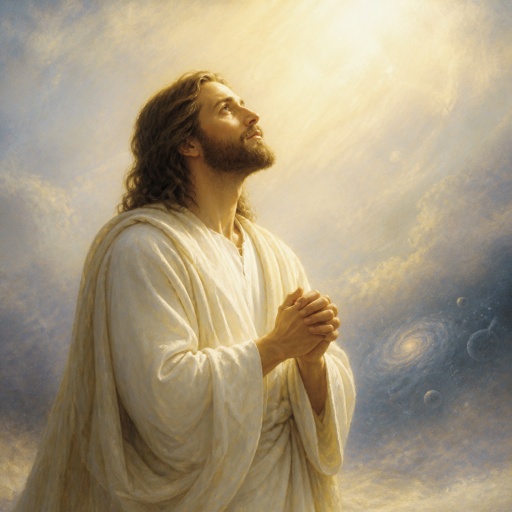
"And now, O Father, glorify thou me with thine own self with the glory which I had with thee before the world was." - John 17:5

John 5:33 - "Ye sent unto John, and he bare witness unto the truth."

John 5:5 - "And a certain man was there, which had an infirmity thirty and eight years."

John 5:28

John 5:28

John 5:28

1 John 5:5 - "Who is he that overcometh the world, but he that believeth that Jesus is the Son of God?"

Galatians 5:16-17

Galatians 5:16-17

John 1:1-5
John 3:5-8