What does John 5:23 mean?
“That all men should honour the Son, even as they honour the Father. He that honoureth not the Son honoureth not the Father which hath sent him.” — John 5:23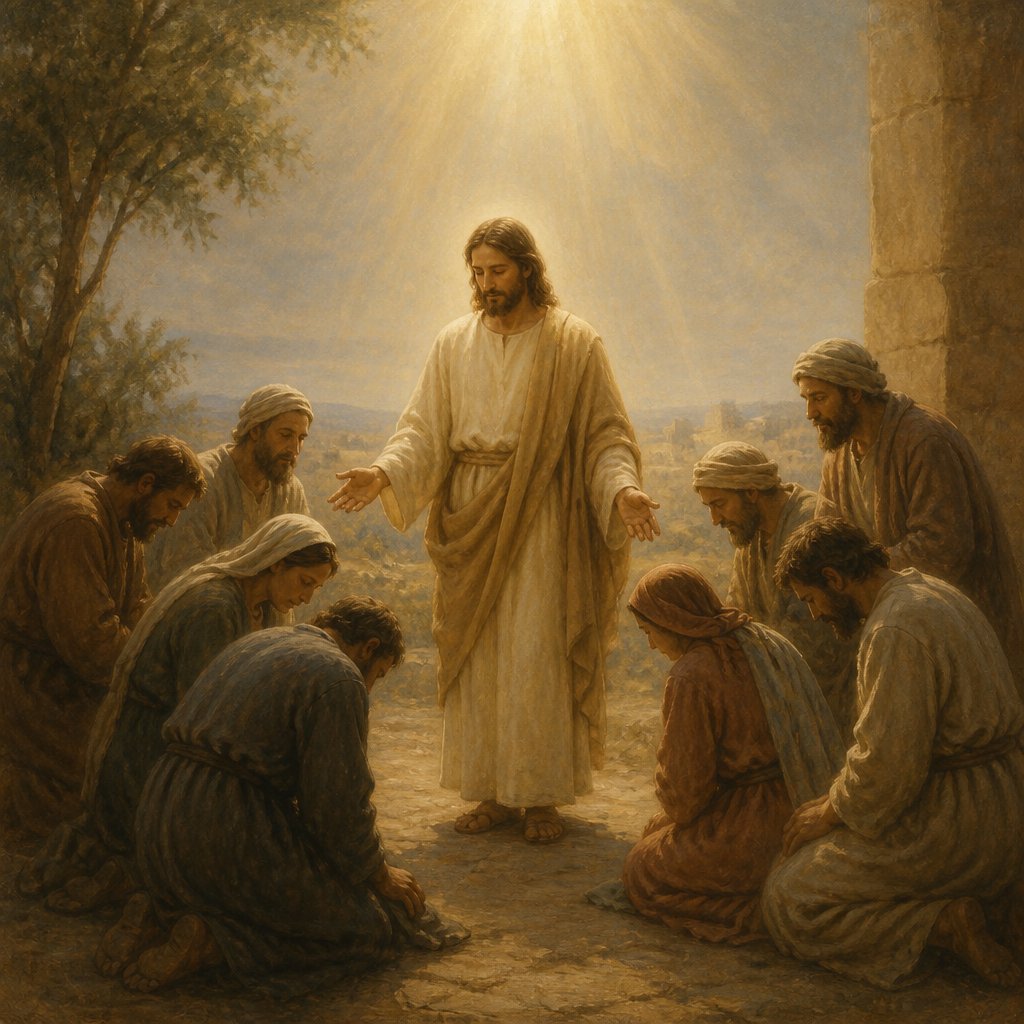
In the Gospel of John, chapter 5, verse 23, Jesus declares, "That all men should honour the Son, even as they honour the Father. He that honoureth not the Son honoureth not the Father which hath sent him." This statement is a profound declaration of the unity and equality of God the Father and God the Son. It also emphasizes the necessity of honoring and acknowledging Jesus as the Son of God in order to have a true relationship with the Father.
The verse begins with the imperative "that all men should honour the Son," indicating that honoring Jesus is not merely a suggestion, but a command. This command is rooted in the divine nature of Jesus as the Son of God. By emphasizing that all men should honor the Son "even as they honour the Father," Jesus is making a radical claim of equality between himself and God the Father. This assertion is a clear indication of Jesus' divinity and his rightful place alongside the Father in the hierarchy of the Godhead.
The second part of the verse, "He that honoureth not the Son honoureth not the Father which hath sent him," further underscores the inseparable connection between the honor given to Jesus and the honor given to God the Father. To dishonor or reject Jesus is, in essence, to dishonor and reject the Father who sent him. This statement serves as a warning against disregarding Jesus' divine nature and significance in the plan of salvation.
In the larger context of the Gospel of John, this verse is part of a larger discourse in which Jesus asserts his authority as the Son of God. In the preceding verses, Jesus claims to have the power to give life and to judge all people. He also presents himself as the object of belief and the source of eternal life. These declarations of authority and divine status are significant in establishing Jesus' identity as the Son of God. The verse also ties in with the overarching theme of belief and faith in the Gospel of John. The gospel repeatedly emphasizes the importance of believing in Jesus as the Son of God in order to receive salvation and eternal life.
The verse also holds symbolic significance within the broader biblical narrative. Throughout the New Testament, Jesus is portrayed as the bridge between God and humanity, and honoring him is established as the pathway to a relationship with the Father. This concept is echoed in other New Testament writings, such as the letter to the Philippians, which states that "at the name of Jesus every knee should bow, in heaven and on earth and under the earth, and every tongue acknowledge that Jesus Christ is Lord, to the glory of God the Father" (Philippians 2:10-11). This verse reinforces the idea that Jesus is to be honored and worshiped alongside the Father.
Additionally, the verse in John 5:23 aligns with the central message of the New Testament regarding the identity and purpose of Jesus. The New Testament consistently presents Jesus as the fulfillment of Old Testament prophecies and the culmination of God's redemptive plan for humanity. The verse reaffirms that Jesus is not just a prophet or a moral teacher, but the divine Son of God who is worthy of the highest honor and reverence.
In conclusion, John 5:23 is a pivotal statement in the Gospel of John that articulates the essential relationship between honoring Jesus as the Son of God and honoring God the Father. The verse serves as a foundational principle for Christian faith and underscores the divinity of Jesus as an equal partner in the Godhead. It also reinforces the importance of belief and faith in Jesus as the gateway to a relationship with God. Throughout the New Testament, this verse continues to exemplify the central role of Jesus in the Christian faith and the significance of honoring him as the Son of God.
Get our apps


Artwork for John 5:23

John 5:23 - "That all men should honour the Son, even as they honour the Father. He that honoureth not the Son honoureth not the Father which hath sent him."
"That all men should honour the Son, even as they honour the Father. He that honoureth not the Son honoureth not the Father which hath sent him." - John 5:23

John 3:23 - "¶ And John also was baptizing in Aenon near to Salim, because there was much water there: and they came, and were baptized."

John 14:23-29

John 14:23-29

John 14:23-29

John 10:23 - "And Jesus walked in the temple in Solomon's porch."

John 15:23 - "He that hateth me hateth my Father also."

John 15:5

John 15:5

John 5:2

John 9:23 - "Therefore said his parents, He is of age; ask him."

Galatians 5:23

Galatians 5:23

Mathew 23:5 The

Genesis 23-5

John 5:33 - "Ye sent unto John, and he bare witness unto the truth."

John 5:5 - "And a certain man was there, which had an infirmity thirty and eight years."

John 5:28

John 5:28

John 5:28

Galatians 5:23

Galatians 5:23

1 John 5:5 - "Who is he that overcometh the world, but he that believeth that Jesus is the Son of God?"

John 13:23 - "Now there was leaning on Jesus' bosom one of his disciples, whom Jesus loved."

John 12:23 - "¶ And Jesus answered them, saying, The hour is come, that the Son of man should be glorified."

John 1:1-5

John 3:5-8

John 1:1-5

John 3:5-8