What does John 6:15 mean?
"When Jesus therefore perceived that they would come and take him by force, to make him a king, he departed again into a mountain himself alone." - John 6:15
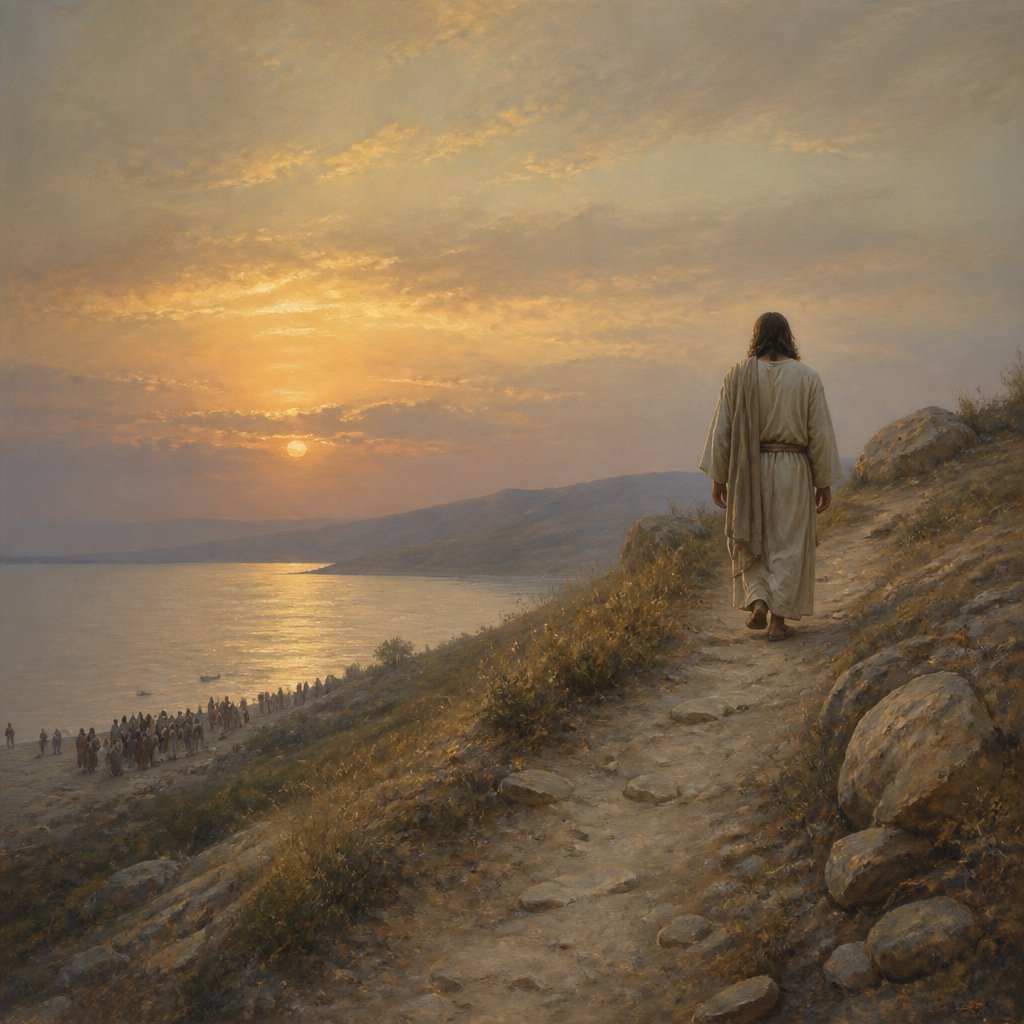
John 6:15 (KJV) says, "When Jesus therefore perceived that they would come and take him by force, to make him a king, he departed again into a mountain himself alone."
This verse comes from the Gospel of John, which is the fourth book of the New Testament. The Gospel of John is focused on the deity of Jesus Christ and contains many unique stories and teachings not found in the other Gospels. This particular verse comes from a passage in which Jesus performs the miracle of feeding the 5,000 with five loaves and two fish. After this miraculous event, the people are so amazed and impressed by Jesus’ power that they want to make him their king. However, Jesus’ purpose is not to establish an earthly kingdom, so he withdraws to a mountain by himself.
This verse holds significant meaning and contains several themes that are important to understand. One of the key themes present in this verse is the concept of the messianic secret. Throughout the Gospel of John, there are instances where Jesus performs a miracle or makes a profound statement, and then urges the witnesses to keep it a secret. In this verse, Jesus perceives that the people want to make him a king, but he knows that his mission is far greater than establishing an earthly kingdom. By withdrawing to the mountain alone, he is demonstrating that his purpose is not political, but spiritual.
Another important theme in this verse is the humility of Jesus. Despite having the power to perform miraculous deeds and gather a following of devoted followers, Jesus does not seek to assert his authority or claim a position of power. Instead, he seeks solitude and retreats to the mountain alone. This act of humility is a powerful example for his disciples and serves as a reminder that Jesus’ kingdom is not of this world.
The context of this verse is also important to consider. Prior to the feeding of the 5,000, Jesus had been teaching a large crowd of people in a desolate place. As evening approached, the disciples urged Jesus to send the people away so they could find food in nearby villages. Instead, Jesus performs the miracle of multiplying the loaves and fish to feed the entire crowd. This event solidifies Jesus’ status as a miraculous and compassionate figure, which leads the people to want to make him their king.
The symbolism in this verse is also noteworthy. The idea of Jesus retreating to a mountain by himself can be seen as symbolic of his divine nature and his unique relationship with God. Throughout the Bible, mountains are often associated with encountering the divine, and Jesus’ act of withdrawing to the mountain can be seen as a symbolic act of communion with God. Additionally, the rejection of the people’s desire to make him a king symbolizes Jesus’ rejection of earthly power and his commitment to fulfilling God’s will.
In conclusion, John 6:15 is a significant verse that offers insights into the character of Jesus and his mission on earth. The themes of the messianic secret, humility, and divine symbolism all play a role in shaping our understanding of this verse. Ultimately, this verse serves as a reminder that Jesus’ purpose transcends earthly power and that his kingdom is not of this world.
Have questions about John 6:15?
Dive deeper into this scripture with Bible Chat — an AI-powered tool for exploring God's Word through conversation. Ask questions, get context, and grow in your understanding of the Bible.
Get Our Apps


John 6:15 Artwork

John 6:15 - "¶ When Jesus therefore perceived that they would come and take him by force, to make him a king, he departed again into a mountain himself alone."
"¶ When Jesus therefore perceived that they would come and take him by force, to make him a king, he departed again into a mountain himself alone." - John 6:15

John 15:6 - "If a man abide not in me, he is cast forth as a branch, and is withered; and men gather them, and cast them into the fire, and they are burned."

John 15:7

John 15:7

John 15:5

John 15:5
John 1:6 - "¶ There was a man sent from God, whose name was John."

John 15 The Vine

John 6:63

John 6:63

John 6:63

John 6:63

John 15:26 NLT

John 14:15-21

John 15:1-8
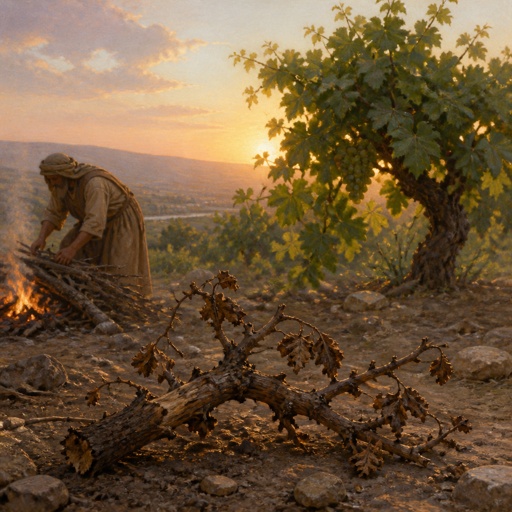
"If a man abide not in me, he is cast forth as a branch, and is withered; and men gather them, and cast them into the fire, and they are burned." - John 15:6

John 15:9-10

John 21:15-19

John 15:9-10
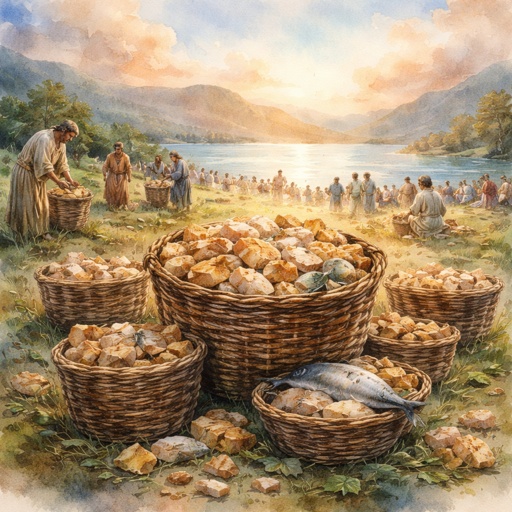
John 6:12

John 6:40

John 21:6

John 14:6

John 21:6

John 6:16

John 6:37

John 21:6

John 6:40

John 21:6